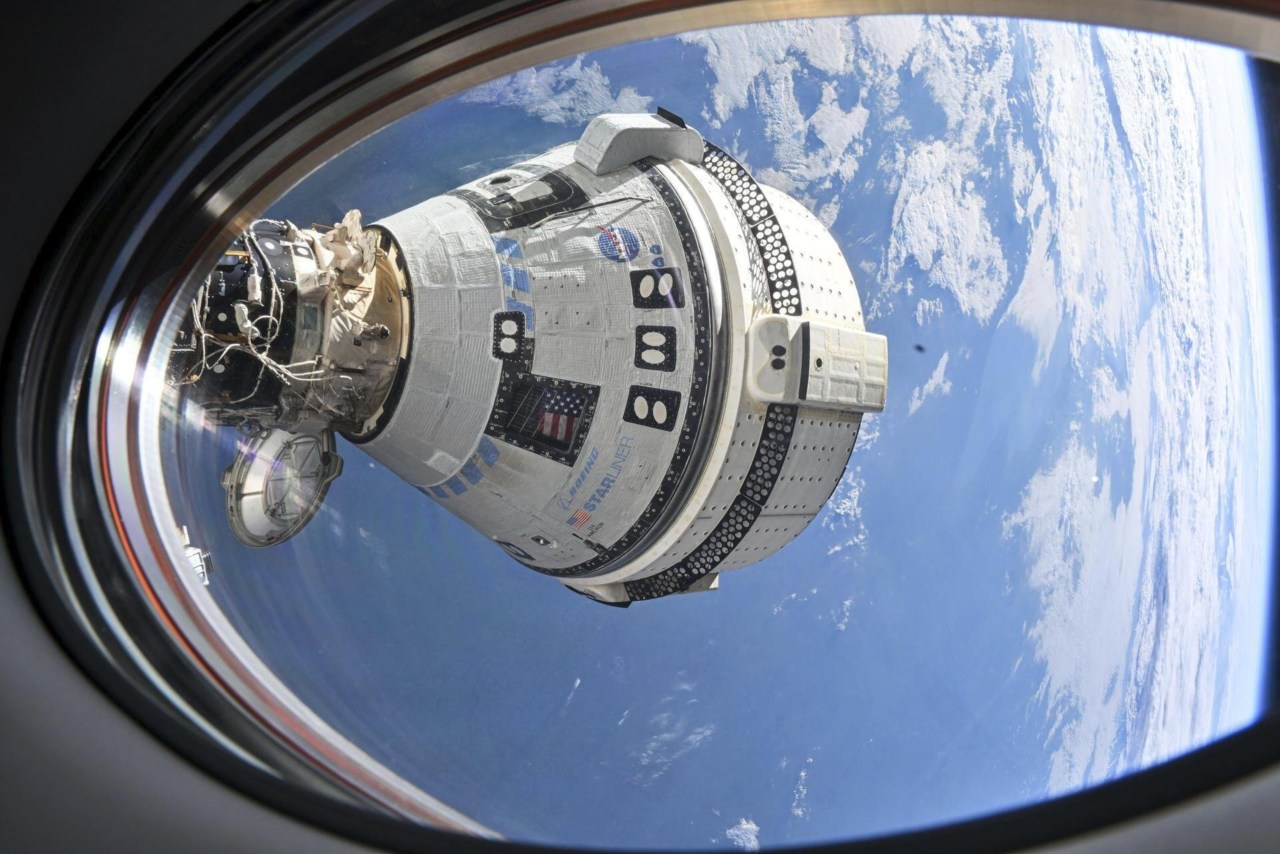
NASA—A recent NASA report has sparked intense criticism from the agency’s administrator, who claims that the Starliner mission prioritized agency goals over the safety of astronauts, leaving them in space for months. The report highlights significant flaws in the mission’s planning and execution, with both Boeing and NASA being held accountable.
Starliner Mission Overview: A Spacecraft Designed for Crewed Missions
Introduction to the Starliner Spacecraft
The Starliner spacecraft, developed by Boeing, is designed to carry astronauts to and from low-Earth orbit. The spacecraft is part of NASA’s Commercial Crew Program, aimed at providing safe and reliable transportation to the International Space Station.
Mission Objectives and Crew Safety
The primary objective of the Starliner mission is to transport astronauts to the International Space Station, with a focus on crew safety and mission success. However, according to the NASA report, the mission’s planning and execution were flawed, prioritizing agency goals over crew safety.
NASA Report Findings: Flaws in Mission Planning and Execution
Report Highlights and Recommendations
The NASA report highlights significant flaws in the Starliner mission’s planning and execution, including inadequate risk assessment, insufficient testing, and poor communication between NASA and Boeing. The report also provides recommendations for improving crew safety and mission success in future missions.
Accountability and Lessons Learned
Both Boeing and NASA have been held accountable for the flaws in the Starliner mission. The report emphasizes the importance of prioritizing crew safety and learning from the mistakes made during the mission.
Boeing’s Role in the Starliner Mission: Development and Testing
Boeing’s Involvement in the Starliner Mission
Boeing, as the developer of the Starliner spacecraft, played a crucial role in the mission’s planning and execution. However, according to the NASA report, Boeing’s testing and development processes were inadequate, contributing to the mission’s flaws.
Improving Partnership and Communication
The report emphasizes the importance of improving partnership and communication between NASA and Boeing to ensure crew safety and mission success in future missions.
NASA Administrator’s Response: Prioritizing Crew Safety
Administrator’s Statement and Actions
NASA’s administrator has strongly criticized the Starliner mission, emphasizing the importance of prioritizing crew safety over agency goals. The administrator has announced plans to review and improve NASA’s safety protocols and procedures to prevent similar incidents in the future.
Future Implications and Improvements
The NASA report and the administrator’s response highlight the need for significant improvements in NASA’s safety culture and procedures. The agency is expected to take concrete steps to prioritize crew safety and prevent similar incidents in the future.
Crew Safety and Mission Success: Lessons Learned and Future Directions
Importance of Crew Safety
Crew safety is paramount in space exploration, and the Starliner mission highlights the need for prioritizing safety over agency goals. The NASA report and the administrator’s response emphasize the importance of learning from mistakes and improving safety protocols and procedures.
Future of Space Exploration and Crew Safety
The Starliner mission incident serves as a reminder of the challenges and risks involved in space exploration. As NASA and its partners continue to push the boundaries of space travel, prioritizing crew safety and learning from past mistakes will be crucial for future success.
