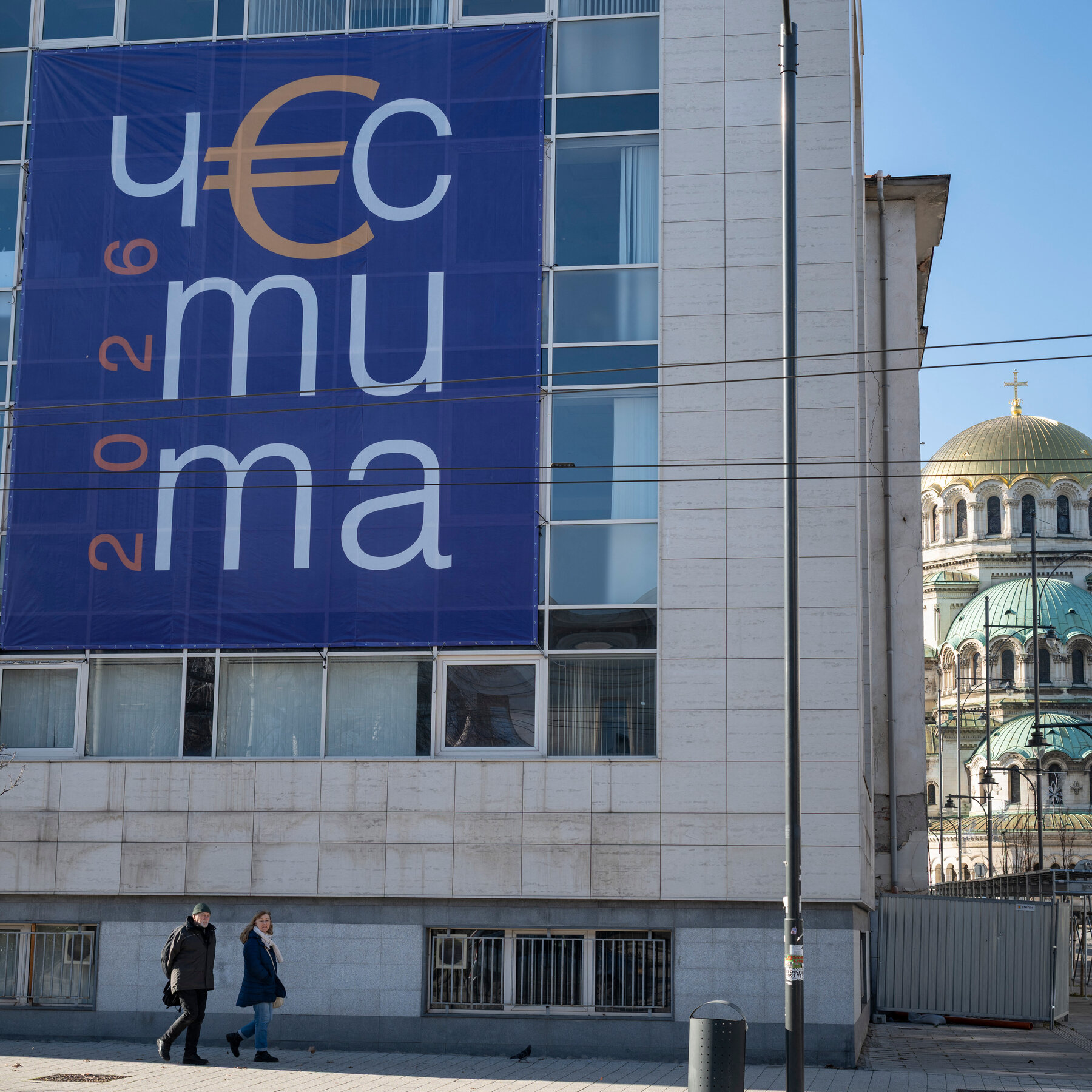
BULGARIA EURO ADOPTION—On the first day of 2024, Bulgaria officially adopted the euro, marking the end of an era for the country’s longtime currency, the lev. The move comes as Bulgaria aims to further integrate into the European economy, despite recent political upheaval that has roiled the nation. As Bulgarians begin this new chapter, there is a whisper of melancholy but few tears shed for the lev, a currency that has been a part of the country’s identity for decades.
The Lev’s Legacy: Understanding Bulgaria’s Economic Past
The lev, which has been in circulation since 1881, has seen its fair share of highs and lows. From hyperinflation in the 1990s to a period of relative stability in the 2000s, the lev has been a reflection of Bulgaria’s economic journey. As the country prepares to retire the lev, many are reflecting on the currency’s legacy and what it means for the nation’s identity.
The Early Years
The lev was first introduced in 1881, replacing the Turkish piastre as the official currency of Bulgaria. Over the years, the lev has undergone several redesigns, with the most recent version featuring a range of security features to prevent counterfeiting.
Hyperinflation and Stabilization
In the 1990s, Bulgaria faced a severe economic crisis, which led to hyperinflation and a significant devaluation of the lev. The crisis was eventually brought under control, and the lev stabilized, but the experience left a lasting impact on the country’s economy.
The Euro Adoption Process: A Long and Winding Road
Bulgaria’s journey to adopting the euro has been a long and complex one. The country first joined the European Union in 2007 and has since been working towards meeting the necessary criteria for euro adoption. The process has involved a range of economic reforms, including the implementation of a currency board and the alignment of monetary policy with that of the European Central Bank.
Meeting the Convergence Criteria
In order to adopt the euro, Bulgaria had to meet a set of convergence criteria, including low inflation, stable exchange rates, and sound public finances. The country has made significant progress in recent years, but there are still challenges to be addressed, particularly with regards to corruption and institutional reform.
The Role of the European Central Bank
The European Central Bank (ECB) has played a key role in Bulgaria’s euro adoption process, providing guidance and support to the country’s monetary authorities. The ECB has also been involved in the development of Bulgaria’s currency board, which has helped to stabilize the lev and prepare the country for euro adoption.
Inflation Concerns and Economic Uncertainty
One of the main concerns surrounding Bulgaria’s euro adoption is the potential impact on inflation. The country has experienced low inflation in recent years, but there are fears that the adoption of the euro could lead to higher prices, particularly for imported goods. This could have a significant impact on the country’s economy, particularly for low-income households.
The Impact on Consumers
The adoption of the euro is likely to have a significant impact on consumers in Bulgaria, particularly in the short term. As prices adjust to the new currency, some consumers may experience a period of inflation, which could erode their purchasing power. However, in the long term, the adoption of the euro is expected to bring greater economic stability and lower transaction costs.
The Role of Monetary Policy
The European Central Bank’s monetary policy will play a key role in determining the economic outlook for Bulgaria, particularly in the short term. The ECB’s decisions on interest rates and quantitative easing will have a direct impact on the country’s economy, and will help to determine the trajectory of inflation and economic growth.
A New Chapter for Bulgaria: Opportunities and Challenges
Bulgaria’s adoption of the euro marks a new chapter in the country’s economic journey. While there are challenges to be addressed, particularly with regards to inflation and economic uncertainty, there are also significant opportunities for growth and development. As the country becomes more integrated into the European economy, it is likely to attract more foreign investment and trade, which could help to drive economic growth and improve living standards.
Increased Integration
The adoption of the euro is expected to lead to increased integration with the European economy, particularly in terms of trade and investment. This could help to drive economic growth and improve living standards, particularly in the long term.
A More Stable Economic Environment
The adoption of the euro is also expected to bring greater economic stability to Bulgaria, particularly in the long term. The country will no longer be subject to the fluctuations of the lev, and will instead be part of a larger, more stable economic entity. This could help to attract more foreign investment and improve the business environment.
