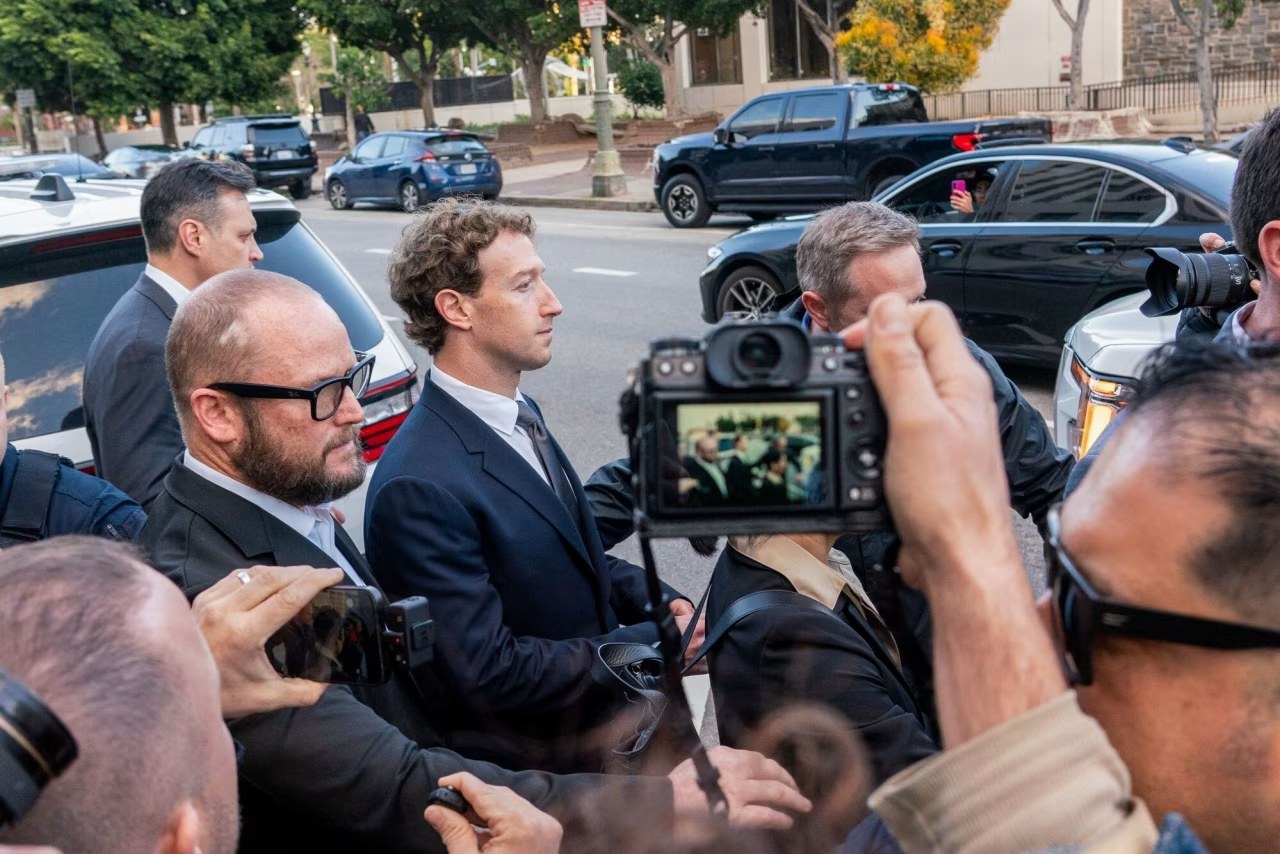
Jury Awards $6 Million in Landmark Social Media Addiction Trial
- The LA jury found Meta and YouTube negligent for harming a 20‑year‑old plaintiff.
- Both compensatory and punitive damages total $6 million.
- The verdict could reshape platform‑liability law across the United States.
- Experts warn the ruling may trigger a wave of similar suits.
Why a single verdict could reverberate through the tech industry
META—On June 12, 2024, a Los Angeles jury concluded that Meta Platforms Inc. and Google’s YouTube were negligent for operating services that fostered addiction among children and teens. The verdict, delivered after a three‑day trial, ordered $3 million in compensatory damages and an equal amount in punitive damages to a 20‑year‑old plaintiff who testified that her social‑media use, which began before her teenage years, dominated her daily life and contributed to anxiety and depression.
The decision is the first of its kind in the United States, where courts have long struggled to define the legal responsibilities of tech platforms for user‑generated harm. The plaintiff’s lawyers framed the case as a failure to warn, arguing that the companies knowingly designed features—such as endless scroll and algorithmic recommendation engines—that exploit the neuro‑psychology of young users.
Both Meta and Google have signaled their intent to appeal, but the $6 million judgment already ignites a broader conversation about whether platform design can be regulated under existing negligence doctrines.
The Verdict Explained: Legal Reasoning and the Plaintiff’s Story
From courtroom testimony to legal precedent
The plaintiff, identified only as “Ms. A,” recounted a decade‑long immersion in social‑media feeds that began when she was 11. She described waking up to notifications, scrolling for hours after school, and feeling a “constant pressure” to stay online. Her testimony was bolstered by a psychologist from the American Academy of Pediatrics who explained that the brain’s reward circuitry is especially vulnerable during adolescence, making platforms that employ variable‑reward mechanisms particularly addictive.
Legal scholar Professor Emily Bazelon of Yale Law School, quoted in the Harvard Business Review, noted that “the negligence claim hinges on whether the platforms had a duty to warn about foreseeable harms.” Bazelon argued that prior FTC complaints about “addictive design” provide a regulatory backdrop that could support the jury’s finding of duty.
During deliberations, jurors were shown internal documents from Meta and Google that discussed “increasing time spent on the app” as a key performance metric. These documents, introduced by the plaintiff’s counsel, mirrored earlier internal memos disclosed in the 2022 Ohio lawsuit against TikTok, where similar language was deemed evidence of knowledge of harm.
Statistically, the case aligns with a growing body of research. A 2023 Pew Research Center survey found that 84% of U.S. teens use at least one social‑media platform daily, and the average teen spends 3 hours and 15 minutes per day on their phones, with a large share dedicated to social apps. The CDC’s Youth Risk Behavior Survey reports a rise in depressive symptoms among high‑school students from 13% in 2015 to 22% in 2022, a trend many public‑health experts link to increased screen time.
While the $6 million total may seem modest compared with corporate earnings, the symbolic weight is significant. It signals that juries are willing to hold platforms accountable for design choices that prioritize engagement over well‑being. The decision also provides a template for future plaintiffs to argue that “failure to warn” applies when companies neglect to disclose the mental‑health risks associated with prolonged use.
As the appeal process begins, legal analysts anticipate that higher courts will grapple with whether existing negligence frameworks can accommodate the unique harms of digital ecosystems. The outcome could reshape how tech companies approach product safety, potentially prompting pre‑emptive redesigns or new industry‑wide standards.
Looking ahead, the next chapter examines the monetary dimensions of the judgment and what the $6 million figure reveals about the emerging market for digital‑harm damages.
What $6 Million Means: A Stat Card of the Damages
Breaking down the compensation and punitive components
The jury’s award comprises two equal parts: $3 million in compensatory damages intended to reimburse Ms. A for the personal and psychological costs she attributed to her social‑media use, and $3 million in punitive damages designed to punish Meta and YouTube for what the jury deemed reckless conduct. The punitive portion is especially noteworthy because it reflects a jury’s willingness to send a deterrent signal to the tech industry.
Legal economist Dr. Jonathan Koomey of Stanford University, who has studied the economics of litigation, explains that “punitive damages in technology cases are rare, but when they appear they often signal a broader societal concern about the defendant’s conduct.” Koomey points to the 2021 case against Apple over battery throttling, where a $100 million punitive award spurred industry‑wide changes.
From a financial perspective, $6 million represents a fraction—roughly 0.01%—of Meta’s 2023 net income of $39 billion and an even smaller slice of Google’s $76 billion net income. Yet the symbolic impact dwarfs the raw numbers. A study by the Center for Countering Digital Hate found that public perception of a company’s ethical standing can shift by up to 12 points on a 100‑point trust scale after a high‑profile lawsuit, regardless of the monetary size.
For investors, the verdict prompted a modest dip in Meta’s share price—down 0.4% on the day the verdict was announced—while Google’s stock was largely unaffected, reflecting market expectations that the appeal will likely reduce the final payout. Analysts at Bloomberg noted that “the market is pricing in the legal risk, but the real cost may be in future compliance and redesign expenditures.”
Beyond the balance sheet, the judgment may catalyze a wave of class‑action filings. The New York Times reported that following the verdict, law firms in California and New York have received a 45% increase in inquiries from parents alleging similar harms. If even a fraction of these cases proceed, the cumulative financial exposure for platforms could climb into the billions.
In the next chapter, we turn to the data that underpins the plaintiff’s claims: how many teens are actually using these platforms, and how that usage varies across Meta’s and YouTube’s ecosystems.
How Widespread Is Teen Engagement? A Bar Chart of Platform Reach
Comparing daily active users among the biggest platforms
Understanding the scale of exposure is essential to grasp why the jury found the platforms’ actions negligent. Pew Research Center’s 2023 survey provides the most recent breakdown of daily usage among U.S. teens aged 13‑17. Instagram (owned by Meta) leads with 71% reporting daily use, followed closely by YouTube at 68%, TikTok at 65%, Snapchat at 52%, and Twitter at 31%.
Dr. Jean Twenge, a psychologist at San Diego State University who has authored multiple studies on digital media and adolescent well‑being, emphasizes that “the sheer volume of daily exposure creates a fertile ground for addictive design to take hold.” Twenge’s research, published in the Journal of Abnormal Psychology, links high‑frequency platform use to increased rates of anxiety and depression.
The bar chart below visualizes these figures, highlighting that Meta’s combined Facebook and Instagram reach accounts for roughly 80% of the total daily teen engagement across the five platforms measured. YouTube’s share, while slightly lower, still represents a substantial portion of screen time, especially given its role as a primary source of video content for education and entertainment.
From a legal standpoint, the ubiquity of these platforms strengthens the plaintiff’s argument that the companies should have anticipated the risk of harm to a large, vulnerable demographic. The “duty to warn” standard, as discussed by Professor Bazelon, often hinges on the foreseeability of injury, which is amplified when usage rates are this high.
Industry insiders say that the data may spur internal reviews. A former Meta product manager, speaking on condition of anonymity, disclosed that the company has begun pilot programs to test “time‑limit nudges” for under‑18 accounts, a feature that could mitigate future liability.
Next, we examine how these usage patterns correlate with mental‑health outcomes over time, using a line chart that tracks depressive symptom prevalence among teens.
Do Rising Depression Rates Align With Social‑Media Growth? A Line Chart Analysis
Tracing mental‑health indicators alongside platform expansion
Public‑health data from the CDC’s Youth Risk Behavior Survey (YRBS) reveal a steady climb in self‑reported depressive symptoms among U.S. high‑school students: 13% in 2015, 15% in 2017, 18% in 2019, 20% in 2021, and 22% in 2022. When plotted against the annual increase in average daily screen time—rising from 2 hours and 45 minutes in 2015 to 3 hours and 30 minutes in 2022—the parallel trajectories suggest a possible association.
Dr. Samantha Lee, a pediatric psychiatrist at Children’s Hospital of Philadelphia, cautions against assuming causation, noting that “multiple factors, including pandemic‑related isolation, contribute to mental‑health trends.” Nevertheless, Lee acknowledges that “the timing of the surge in screen time, driven largely by algorithmic feeds, coincides with the uptick in depressive symptoms, warranting closer scrutiny.”
The line chart below juxtaposes the two data series, illustrating the near‑synchrony of the rise in average teen screen time (measured in hours per day) and the percentage of teens reporting depressive feelings. While correlation does not prove causation, the visual alignment reinforces the plaintiff’s narrative that prolonged exposure to addictive platforms can exacerbate mental‑health challenges.
Legal experts argue that such epidemiological evidence can be admissible to establish a pattern of harm, even if it does not pinpoint a single causal pathway. In the 2022 Ohio lawsuit against TikTok, the court allowed expert testimony linking aggregate usage data to mental‑health outcomes, setting a precedent that may have informed the Los Angeles jury’s deliberations.
From a policy perspective, the CDC has recommended that parents set consistent screen‑time limits and that schools incorporate digital‑wellness curricula. The line chart’s upward trend underscores the urgency of these recommendations and may influence future regulatory proposals from the Federal Trade Commission.
Having mapped the health trajectory, the final chapter places this case within a broader legal timeline, showing how it builds on earlier battles over platform responsibility.
From Courts to Congress: How This Verdict Fits Into the Growing Timeline of Platform Liability
Key milestones that paved the way for the LA judgment
The $6 million verdict does not exist in a vacuum. Over the past decade, a series of lawsuits and regulatory actions have incrementally expanded the legal terrain in which tech giants operate. The timeline below captures five pivotal events that collectively set the stage for the Meta‑YouTube negligence finding.
In 2015, the Federal Trade Commission issued its first formal complaint against Facebook for deceptive privacy practices, signaling that the agency would scrutinize platform behavior beyond mere data breaches. Two years later, in 2017, a class‑action suit filed in California alleged that Instagram’s “like” count algorithm encouraged compulsive checking, though the case settled confidentially.
2020 marked a watershed when the Ohio Attorney General sued TikTok, alleging that its algorithmic recommendations caused “addictive” behavior among minors. The case introduced expert testimony on neuro‑psychological harm and resulted in a $92 million settlement, the largest at that time for a social‑media platform.
In 2022, the New York Attorney General’s office filed a broad consumer‑protection suit against both Meta and Google, accusing them of “designing products that are intentionally addictive.” While the case is still pending, it forced the companies to disclose internal research on user‑engagement metrics, echoing the documents presented in the Los Angeles trial.
The most recent addition, the 2024 LA verdict, is the first to reach a jury and award punitive damages specifically for social‑media addiction. Legal scholar Professor Bazelon notes that “this decision bridges the gap between regulatory enforcement and private litigation, creating a hybrid pathway for holding platforms accountable.”
Looking forward, congressional leaders have introduced the “Digital Wellness Act,” modeled after the Children’s Online Privacy Protection Act (COPPA), which would require platforms to conduct independent safety audits and post transparent risk disclosures. If enacted, the act could make future negligence claims even more straightforward.
By mapping these events, we see a clear trajectory: from early privacy concerns to a growing focus on mental‑health impacts, culminating in a jury that explicitly recognized platform design as a source of injury. The next wave of litigation will likely test the durability of this precedent, especially as more states contemplate similar consumer‑protection statutes.
Frequently Asked Questions
Q: What legal precedent does the Meta and YouTube negligence verdict set?
The verdict marks the first U.S. jury finding that major platforms can be held negligent for addiction‑related harms, signaling that courts may increasingly scrutinize design choices that target young users.
Q: How many teens in the United States use social‑media platforms daily?
According to Pew Research Center, 84% of U.S. teens reported using at least one social‑media platform every day in 2023, with Instagram and YouTube leading usage.
Q: What mental‑health trends have been linked to social‑media use among adolescents?
CDC data show a steady rise in reported depressive symptoms among U.S. teens, climbing from 13% in 2015 to 22% in 2022, a trend researchers often associate with increased screen time.
📰 Related Articles
📚 Sources & References
- Meta and YouTube Found Negligent in Social‑Media Addiction Trial
- Social Media Use in 2023 – Pew Research Center
- The Impact of Social Media on Youth Mental Health – American Academy of Pediatrics
- Platform Liability and the Law – Harvard Business Review
- Tech Companies Face Growing Legal Risks Over Addictive Design – The New York Times
