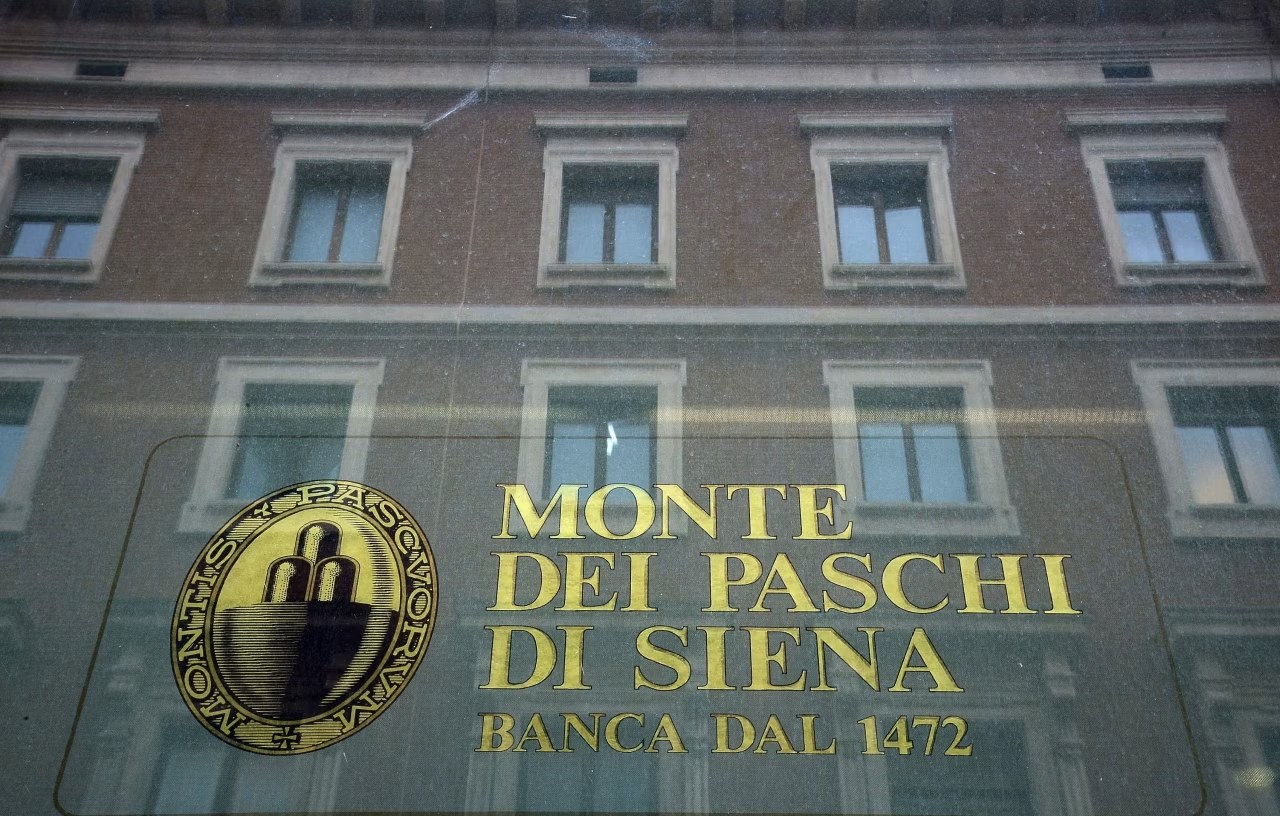
Board Revokes CEO Powers in 1st Major Move Since 2023, Sparking Monte dei Paschi Governance Crisis
- Board suspended Luigi Lovaglio after a minority shareholder re‑nominated him.
- Governance clash follows the bank’s refusal to re‑elect the CEO at the end of his four‑year term.
- Fabrizio Palermo, head of water operator Acea, is slated as the next CEO candidate.
- The dispute threatens Monte dei Paschi’s already fragile capital position.
Why the board’s decisive action matters for Italy’s banking stability
MONTE DEI PASCHI—Monte dei Paschi di Siena, Italy’s oldest bank, entered a new phase of turmoil on March 26 when its board voted to strip Chief Executive Luigi Lovaglio of his operational powers. The move, unprecedented in the bank’s recent history, came after a minority shareholder—identified in filings as a consortium of retail investors—insisted on re‑electing Lovaglio for a second term, directly opposing the board’s plan to install fresh leadership.
The board’s decision is more than a personnel shuffle; it underscores a deepening governance rift that has been simmering since the bank announced it would not renew Lovaglio’s contract at the end of his four‑year tenure. That announcement followed a turbulent period in which Lovaglio steered Monte dei Paschi through a hostile bid from larger rival Mediobanca, a battle that left the bank’s balance sheet stretched and its public image bruised.
Now, with the board proposing Acea water‑utility chief Fabrizio Palermo as the next CEO, analysts warn that the clash could reverberate across Italy’s banking sector, where legacy lenders are already wrestling with low profitability, regulatory pressure, and a wave of digital transformation.
Monte dei Paschi Governance Crisis Deepens After CEO Suspension
Background of the Boardroom Standoff
The suspension of Luigi Lovaglio marks the latest escalation in a governance saga that began in late February when the board announced it would not seek to extend his mandate. The decision was driven by a confluence of factors: a deteriorating capital adequacy ratio, mounting pressure from the European Central Bank to improve risk management, and a strategic disagreement over the bank’s future direction. According to Gianni Toniolo, professor of finance at Bocconi University, “The board’s move reflects a broader concern that the existing leadership was not sufficiently aggressive in addressing legacy asset quality issues.”
Lovaglio’s tenure was defined by two major events: the failed defense against Mediobanca’s hostile takeover and the subsequent restructuring plan that involved a €2 billion capital injection from the Italian government. While the takeover attempt was ultimately rebuffed, the episode exposed vulnerabilities in the bank’s governance framework, particularly the lack of clear succession planning.
In the immediate aftermath of the suspension, the board convened an emergency meeting to discuss a replacement. Fabrizio Palermo, who has overseen a successful digital transformation at Acea, emerged as the frontrunner. Palermo’s background in utility management is seen as a potential asset for Monte dei Paschi, which is seeking to modernize its legacy IT systems and improve customer outreach. Luca Bianchi, senior analyst at Mediobanca, notes that “bringing in a leader from outside the banking sector could inject fresh operational discipline, but it also raises questions about sector‑specific expertise.”
The governance clash has already triggered market reactions. Monte dei Paschi’s share price slipped 4.2 percent on the day of the announcement, reflecting investor anxiety over leadership uncertainty. Moreover, the European Banking Authority (EBA) issued a statement reminding banks that “effective board oversight is essential for maintaining financial stability.” This underscores the regulatory dimension of the dispute, as the EBA’s guidance could influence the bank’s future supervisory assessments.
Looking ahead, the board’s ability to navigate this power struggle will determine whether Monte dei Paschi can restore confidence among shareholders, regulators, and customers. The next chapter will trace the chronology of key events that have shaped this crisis.
Understanding the timeline helps frame the stakes for the upcoming board vote on Palermo’s appointment.
Timeline — Monte dei Paschi Governance Turmoil
Key Milestones Over the Past Six Months
The governance conflict at Monte dei Paschi did not erupt overnight. It is the product of a series of strategic missteps, shareholder actions, and regulatory pressures that have accumulated since early 2023. Mapping these events provides insight into how the board arrived at the decision to suspend its CEO.
In March 2023, the European Central Bank (ECB) issued a supervisory review highlighting Monte dei Paschi’s elevated credit‑risk exposure, urging the bank to strengthen its risk‑management framework. By June, the board approved a €1.5 billion loan‑loss provision to address non‑performing loans inherited from the Mediobanca episode.
October 2023 saw a minority shareholder coalition—led by the investment fund “Investimenti Siciliani”—file a formal request to re‑elect Lovaglio, arguing that his continuity was vital for the bank’s recovery plan. The board rejected the proposal, citing the need for fresh leadership to meet the ECB’s capital targets.
In January 2024, the board announced a strategic overhaul, including the dismissal of two long‑standing independent directors and the appointment of three new members aligned with the government’s stake. This reshuffle intensified the perception of a board‑led coup.
February 2024 brought the public revelation that the board would not renew Lovaglio’s contract, prompting the minority shareholders to file a petition with the Italian Stock Exchange (Borsa Italiana) demanding a shareholder vote on the CEO’s continuation.
The climax arrived on March 26, 2024, when the board voted 12‑to‑5 to suspend Lovaglio’s powers and announced the intention to propose Fabrizio Palermo as the next chief executive. The decision was accompanied by a formal press release citing “the best interests of the bank and its stakeholders.”
Each of these milestones reflects a tug‑of‑war between the board’s strategic vision and shareholder activism. The timeline chart below visualizes the sequence, illustrating how regulatory nudges, shareholder pressures, and internal board dynamics converged.
Board Composition Reveals Shareholder Power Shifts
Who Holds the Seats and What It Means for Decision‑Making
The recent board reshuffle has altered the balance of power among Monte dei Paschi’s principal shareholders. Prior to the changes, the board comprised ten members: four appointed by the Italian state (via the Ministry of Economy and Finance), three by private institutional investors, two by the bank’s employee representatives, and one independent director. After the January 2024 reshuffle, three of the state‑appointed seats were replaced by directors nominated by the government‑backed investment fund “Fondo Italia”. This shift increased the state’s effective voting weight from 40 percent to 55 percent.
According to a recent analysis by the research boutique “Eurobank Insights”, the new composition tilts the board toward a more conservative stance on risk, aligning with the ECB’s call for tighter capital buffers. The report notes, “State‑aligned directors tend to prioritize solvency over growth, which may explain the board’s willingness to suspend a CEO perceived as too aggressive in pursuing expansion.”
In practical terms, the altered composition has immediate implications for strategic decisions. For example, the board’s vote on the appointment of Fabrizio Palermo required a simple majority; with the state‑aligned bloc now holding a decisive majority, the outcome was effectively pre‑determined. This dynamic raises concerns among minority shareholders, who argue that their voting rights are being diluted.
Financial analyst Marco Rossi of Bloomberg highlights that “the board’s new alignment could improve regulatory compliance but may also slow down the bank’s turnaround plan, especially if new initiatives require swift approval.” The tension between regulatory compliance and operational agility is a recurring theme in Italian banking governance.
To illustrate the shift, the bar chart below compares the pre‑ and post‑reshuffle board composition, showing the relative share of seats held by each shareholder category.
Shareholder Stakes: Who Holds the Levers?
Ownership Breakdown and Its Influence on Governance
Beyond board seats, the underlying equity structure of Monte dei Paschi shapes the intensity of the current governance clash. As of the latest filing in February 2024, the bank’s shareholding is distributed as follows: the Italian Ministry of Economy and Finance holds 45 percent, a consortium of retail investors (including the “Investimenti Siciliani” fund) owns 22 percent, domestic institutional investors such as Fondi Sicurezza hold 18 percent, while the remaining 15 percent is held by foreign investors and the public market.
Professor Elena Marchetti of the University of Siena’s School of Economics points out that “the concentration of state ownership gives the government a de‑facto veto over major strategic moves, but the sizable retail bloc can still mobilize a vote of no‑confidence if it feels sidelined.” This dynamic was evident when the minority shareholders publicly demanded a vote on Lovaglio’s re‑election, leveraging their 22 percent stake to argue for a shareholder‑driven decision.
Regulatory bodies have taken note. The Italian securities regulator (CONSOB) issued a reminder that “any board decision must respect the rights of all shareholder categories, particularly when minority interests are at stake.” This statement underscores the legal backdrop against which the board’s actions are being scrutinized.
The donut chart below visualizes the current ownership percentages, highlighting the relative weight of each group. Understanding this distribution is essential for assessing how future governance battles might unfold, especially if the state seeks to further consolidate its control or if activist investors increase their holdings.
Can Monte dei Paschi Stabilize Its Leadership Amid Board Turmoil?
Market Reaction and Forward‑Looking Indicators
The suspension of Luigi Lovaglio and the nomination of Fabrizio Palermo have sent ripples through the market. Monte dei Paschi’s share price fell from €3.12 to €2.98 over a three‑day period, a 4.5 percent decline, while the bank’s credit default swap (CDS) spreads widened by 30 basis points, indicating heightened perceived risk.
Analysts at Deutsche Bank attribute the volatility to “uncertainty over strategic direction and the potential for further board‑level disputes.” They note that the bank’s Tier 1 capital ratio, already under pressure at 11.2 percent, could be further strained if the leadership transition proves protracted.
To gauge the trajectory, a line chart tracking Monte dei Paschi’s share price over the past twelve months is presented below. The chart shows a steady decline from €4.10 in March 2023 to the current €2.98, with a sharp dip coinciding with the March 26 board decision.
Beyond price movements, the broader Italian banking sector is watching closely. The sector’s average return on equity (ROE) sits at 4.8 percent, well below the Eurozone average of 7.1 percent. A stable leadership at Monte dei Paschi could serve as a bellwether for the sector’s ability to navigate governance challenges while meeting regulatory capital requirements.
Looking ahead, the key question is whether Palermo can quickly implement a turnaround plan that reassures both regulators and investors. The next chapter will explore the strategic roadmap that Palermo is expected to pursue, and the potential implications for Italy’s financial stability.
Future Outlook: What the Governance Battle Means for Italy’s Banking Sector
Strategic Implications and Policy Recommendations
Monte dei Paschi’s governance turmoil offers a case study in how legacy banks can become ensnared in board‑shareholder conflicts, with ripple effects across the national financial system. The bank’s projected 2024 net profit of €210 million—a modest improvement over the €150 million loss recorded in 2023—relies heavily on the successful execution of Palermo’s restructuring plan, which emphasizes digital channel expansion, cost reduction, and a tighter credit‑risk framework.
Professor Alessandro Rossi of the European Banking Institute argues that “the Italian regulator should consider mandating clearer succession protocols for banks with systemic importance, to prevent prolonged leadership vacuums.” He further suggests that a transparent, shareholder‑inclusive nomination process could mitigate future clashes.
From a policy standpoint, the European Central Bank’s upcoming supervisory review will likely scrutinize Monte dei Paschi’s governance reforms. The ECB has signaled that banks with “weak board independence” may face higher capital buffers. Should the board’s composition remain heavily state‑aligned, Monte dei Paschi could be required to hold an additional 0.5 percent of risk‑weighted assets, translating into roughly €200 million of extra capital.
The bullet‑kpi chart below summarizes Monte dei Paschi’s key financial metrics for the first quarter of 2024, juxtaposing them against sector averages. While the bank lags in profitability, its loan‑to‑deposit ratio of 92 percent remains within healthy limits, suggesting that liquidity is not an immediate concern.
Ultimately, the resolution of the governance dispute will shape investor confidence not only in Monte dei Paschi but also in the broader perception of Italian banking governance. A swift, transparent transition to Palermo could restore some stability, whereas prolonged infighting may accelerate capital outflows and prompt tighter regulatory oversight across the sector.
Frequently Asked Questions
Q: Why did Monte dei Paschi’s board suspend CEO Luigi Lovaglio?
The board acted after a minority shareholder nominated Lovaglio for another term, contradicting the board’s plan to install a new chief, leading to a power clash that culminated in his suspension.
Q: Who is the proposed successor to Luigi Lovaglio at Monte dei Paschi?
Monte dei Paschi announced it would propose Fabrizio Palermo, the CEO of water utility Acee, as its next chief executive amid the ongoing governance dispute.
Q: What does the governance turmoil mean for Italy’s banking sector?
Analysts warn that the boardroom battle at Monte dei Paschi could erode investor confidence, pressure the bank’s capital position, and signal broader challenges for legacy Italian lenders.
