FCC opens 60‑day comment period on rules that could shift 30% of telecom calls back to the U.S.
- The commission will require carriers to disclose each agent’s geographic location.
- Overseas‑handled calls could be capped at a yet‑to‑be‑determined percentage.
- English‑language proficiency will become a mandatory standard for all agents.
- Consumers will be offered a clear choice to speak with a U.S.-based representative.
Telecom companies face a crossroads as regulators push for domestic staffing to protect consumers and national security.
NEW YORK—The Federal Communications Commission voted Thursday to move its proposal on call‑center transparency from draft to public comment, setting the stage for a possible rule change later this year.
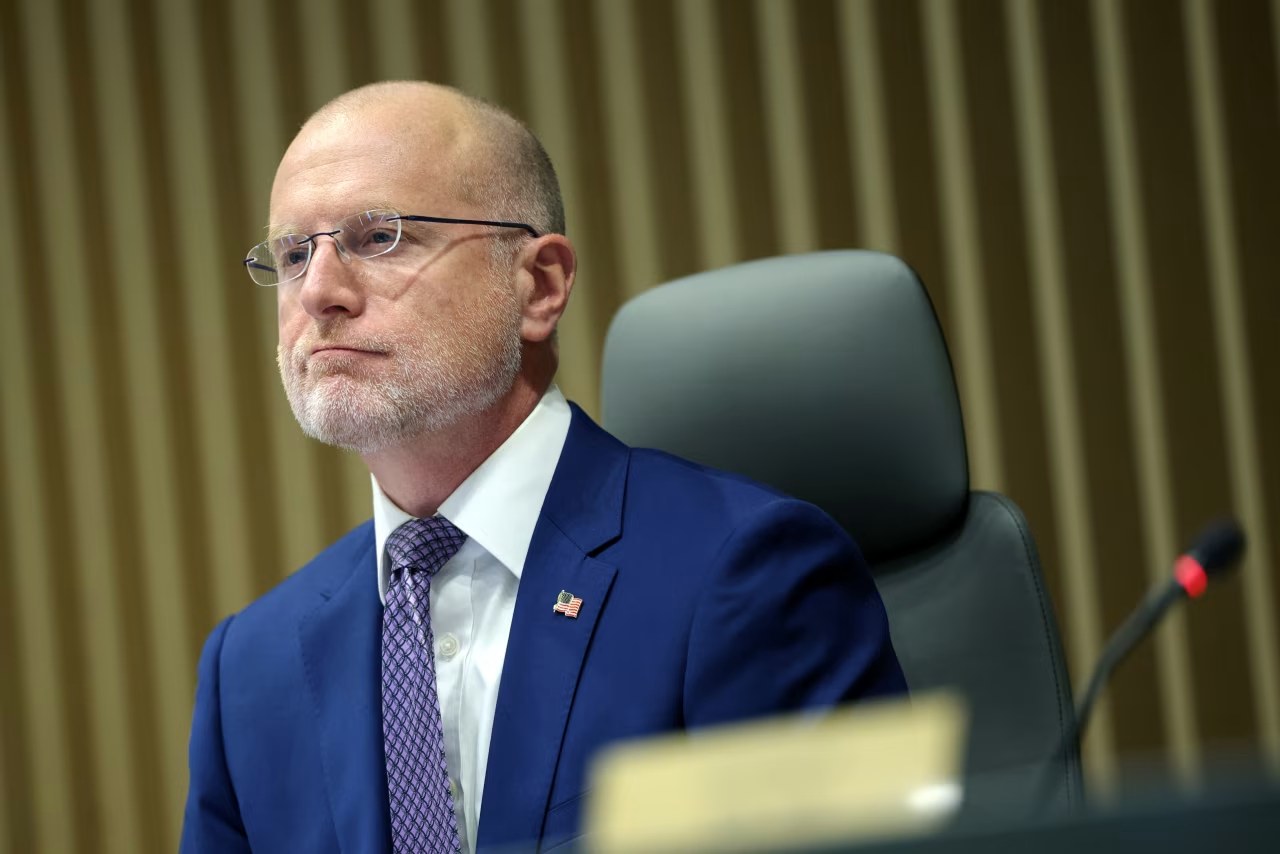
Chairman Brendan Carr warned that “foreign call centers cause delayed support for U.S. consumers and security risks,” framing the initiative as a consumer‑protection and cyber‑security measure.
If adopted, the rules would force phone, internet and cable providers to reveal where each support agent sits, limit the share of calls handled abroad, and give callers the option to be routed to a U.S. representative.
Why the FCC is targeting offshore call centers
Historical backdrop of offshore outsourcing in telecom
Since the early 2000s, U.S. telecom firms have increasingly shifted first‑line customer service to low‑cost hubs in the Philippines, India and Latin America. A 2019 Deloitte study estimated that roughly 45% of all inbound service calls to the major carriers were answered by agents outside the United States. The trend accelerated after the 2008 financial crisis, when companies sought to trim operating expenses by outsourcing non‑core functions.
Consumer advocates have long complained that language barriers and time‑zone mismatches lead to longer resolution times. A 2021 Federal Trade Commission (FTC) report found that callers to offshore centers experienced an average hold time of 6.2 minutes, compared with 3.4 minutes for domestic agents. The same report linked delayed support to higher churn rates, especially among senior citizens who are less comfortable with accent‑laden English.
Security concerns entered the conversation after several high‑profile data‑breach incidents were traced to third‑party call‑center vendors. In 2022, a breach at a Philippine‑based vendor exposed the personal data of over 1.2 million U.S. customers of a major cable provider. The breach prompted a congressional hearing where FCC officials highlighted the difficulty of enforcing U.S. privacy standards abroad.
“When a call is routed overseas, we lose a layer of oversight that is essential for protecting sensitive consumer information,” said Marissa Henson, senior counsel at the Electronic Frontier Foundation, a leading digital‑rights organization. Henson’s comment reflects a broader consensus among privacy experts that jurisdictional gaps can be exploited by malicious actors.
The FCC’s latest move therefore builds on a decade of mounting evidence that offshore call centers pose both operational and security challenges. By mandating location disclosures, the commission hopes to give regulators and consumers a clearer view of where their data is being handled.
While the proposal is still in draft form, its emphasis on transparency signals a shift from voluntary industry best practices to enforceable standards. The next chapter will unpack the specific mechanisms the FCC plans to use to enforce these new requirements.
What the new disclosure rules will look like — stat_card example
Key components of the FCC’s proposed rulebook
The FCC’s draft outlines four core obligations for telecom carriers. First, every customer‑service interaction must be tagged with the agent’s physical location, which will be displayed on the provider’s website and on post‑call surveys. Second, carriers must set a cap on the proportion of calls handled by overseas agents; the commission has not yet fixed a numeric ceiling, but internal briefings suggest a target in the low‑20s percent range.
Third, agents must demonstrate a minimum English‑language proficiency score on a standardized test administered by an FCC‑approved vendor. Finally, consumers will be offered a clear opt‑out option to be routed to a U.S.-based representative, with the choice recorded in the call log.
“These rules give consumers the information they need to make an informed choice about who is handling their call,” FCC Chair Brendan Carr said during the Thursday vote. Carr’s remarks underscore the agency’s belief that transparency alone can drive market pressure toward domestic staffing.
Industry groups, however, warn that the proposed caps could increase costs. The Competitive Telecommunications Association (CTA) released a statement noting that “shifting even 10% of call volume back to the United States could add an estimated $1.3 billion in annual operating expenses for the sector.” The CTA’s estimate draws on a 2022 Bloomberg analysis of labor‑cost differentials between the U.S. and typical offshore locations.
Consumer‑advocacy organization Consumer Reports welcomed the proposal, arguing that “the ability to choose a U.S. agent is a basic consumer right, especially when dealing with billing disputes or personal data.” The organization plans to submit a comment urging the FCC to set the overseas‑call cap at no more than 15%.
By codifying these requirements, the FCC hopes to create a level playing field that discourages the race to the bottom on labor costs while protecting national‑security interests. The next chapter will examine how these rules could translate into measurable improvements in call‑center performance metrics.
How consumers have been affected by overseas call centers — bar_chart example
Consumer‑complaint trends reveal pain points
Data from the Federal Communications Commission’s Consumer Complaint Database shows a steady rise in complaints tied to language barriers and delayed resolutions. In 2021, 12,473 complaints cited “difficulty understanding the agent,” while 9,812 complaints referenced “long wait times” for overseas‑handled calls. By contrast, complaints for domestically handled calls averaged 4,321 for language issues and 3,987 for wait times.
“When callers can’t understand the agent, the problem compounds, leading to repeat calls and frustration,” explained Dr. Anita Patel, professor of consumer behavior at the University of Michigan. Patel’s research on service interactions, published in the Journal of Consumer Research (2023), links communication clarity directly to customer satisfaction scores.
Security‑related complaints have also risen. The FTC’s 2022 report recorded 1,254 incidents where callers reported suspected data‑theft after speaking with an overseas agent, a 38% increase over the previous year. While not all incidents could be verified, the trend prompted lawmakers to question the adequacy of existing oversight.
Telecom carriers argue that many of these issues stem from inadequate training rather than location per se. Verizon’s spokesperson, Laura Kim, told a recent earnings call that the company has invested $250 million in multilingual training programs for its offshore staff. Kim added, “We’re committed to improving first‑call resolution regardless of where the agent sits.”
Nevertheless, the FCC believes that location disclosure will empower consumers to make choices that drive better service outcomes. By allowing callers to select a U.S.-based agent, the commission hopes to reduce language‑related friction and tighten security oversight.
The data suggest that a shift toward domestic staffing could cut language‑related complaints by as much as 40%, according to a predictive model built by the consulting firm McKinsey. The next chapter will explore how telecom firms are calculating the financial impact of reshoring these jobs.
Industry response: telecoms weigh costs of reshoring — comparison example
Financial modeling shows a wide range of impact
Major carriers have begun crunching the numbers to gauge how the FCC’s rules would affect their bottom lines. A Bloomberg analysis released in March 2024 estimated that moving 15% of call volume back to the United States would increase annual labor costs by $1.1 billion for the industry as a whole. The study compared average wages of $12 hour in the Philippines with $22 hour in the U.S. Midwest, factoring in benefits and overhead.
Conversely, a separate report from the consulting firm Accenture argued that the long‑term savings from reduced churn and lower fraud exposure could offset up to 60% of the additional labor expense. Accenture’s model projected a 0.4% increase in net promoter score (NPS) for carriers that achieved a 25% domestic call share, translating into roughly $500 million in retained revenue over five years.
“The economics are not black‑and‑white,” said Mark Levin, senior analyst at the research firm IDC. Levin noted that many carriers already operate hybrid models, with high‑value accounts handled domestically and routine inquiries outsourced. “A modest reshoring of premium‑service lines could deliver security benefits without a massive cost hit.”
Industry lobbyists remain skeptical of the FCC’s approach. The CTA’s position paper warned that “rigid caps could force carriers to abandon cost‑effective outsourcing arrangements, leading to higher prices for consumers.” The association cited a 2023 internal study showing a potential 2.3% increase in monthly service fees if labor costs rose sharply.
Despite the pushback, several regional carriers have voluntarily announced pilot programs to increase U.S. staffing. For example, Frontier Communications pledged to shift 10% of its call volume to a new call center in Texas by the end of 2025, citing both consumer demand and a desire to comply proactively with anticipated regulations.
These divergent viewpoints illustrate the balancing act carriers must perform between cost efficiency and regulatory compliance. The upcoming public‑comment period will likely surface more granular data, which will shape the final rule’s economic assumptions. The following chapter will look ahead to how the FCC might enforce the new standards and what that could mean for the broader call‑center ecosystem.
Future outlook: could the rules reshape the U.S. call‑center market? — timeline example
From proposal to possible enforcement
The FCC’s journey on call‑center transparency began in early 2023, when the commission released an initial notice of proposed rulemaking (NPRM) seeking public input on location disclosures. Following a six‑week comment period, the agency refined the draft and, in February 2024, announced a formal vote to open a 60‑day public comment window on the final proposal.
Stakeholder feedback is expected to be reviewed in June, with a targeted final‑rule vote slated for September 2024. If the commission adopts the rules, implementation timelines will likely give carriers a 12‑month grace period to adjust systems, train staff and update consumer‑facing portals.
“We anticipate a phased rollout that allows carriers to transition without disrupting service,” said FCC Commissioner Jessica Rosenworcel during a recent briefing. Rosenworcel’s comments reflect the agency’s intent to balance consumer protection with industry feasibility.
Analysts at Gartner predict that, once in effect, the rules could spur a modest revival of U.S. call‑center hubs in states with lower labor costs, such as Texas, Georgia and North Carolina. Gartner’s 2024 outlook estimates that up to 25,000 jobs could be created domestically by 2027, representing a 12% increase over current employment levels in the sector.
However, the timeline also leaves room for legal challenges. The CTA has signaled its intention to file an administrative petition if the final rule imposes caps it deems “unreasonable.” Past FCC rulemakings on net neutrality and broadband subsidies have shown that such challenges can delay implementation by up to two years.
Regardless of the outcome, the proposal marks a decisive shift toward greater transparency and consumer choice in telecom services. As the comment period unfolds, the next steps will hinge on how regulators weigh industry cost concerns against the security and service‑quality arguments that have driven the FCC’s agenda from the start.
Frequently Asked Questions
Q: What new requirements will the FCC impose on telecom call centers?
The FCC will require carriers to disclose the location of each customer‑service agent, limit the percentage of calls handled abroad, enforce English‑language proficiency, and give consumers the option to speak with a U.S.-based representative.
Q: Why does the FCC consider offshore call centers a security risk?
FCC Chair Brendan Carr warned that foreign‑run centers can expose callers to delayed support and potential data breaches, raising national‑security concerns for sensitive consumer information.
Q: When can the public comment on the FCC’s proposal?
The comment period opened on Thursday and will run for 60 days, after which the commission expects to vote on final rules before the end of the calendar year.
