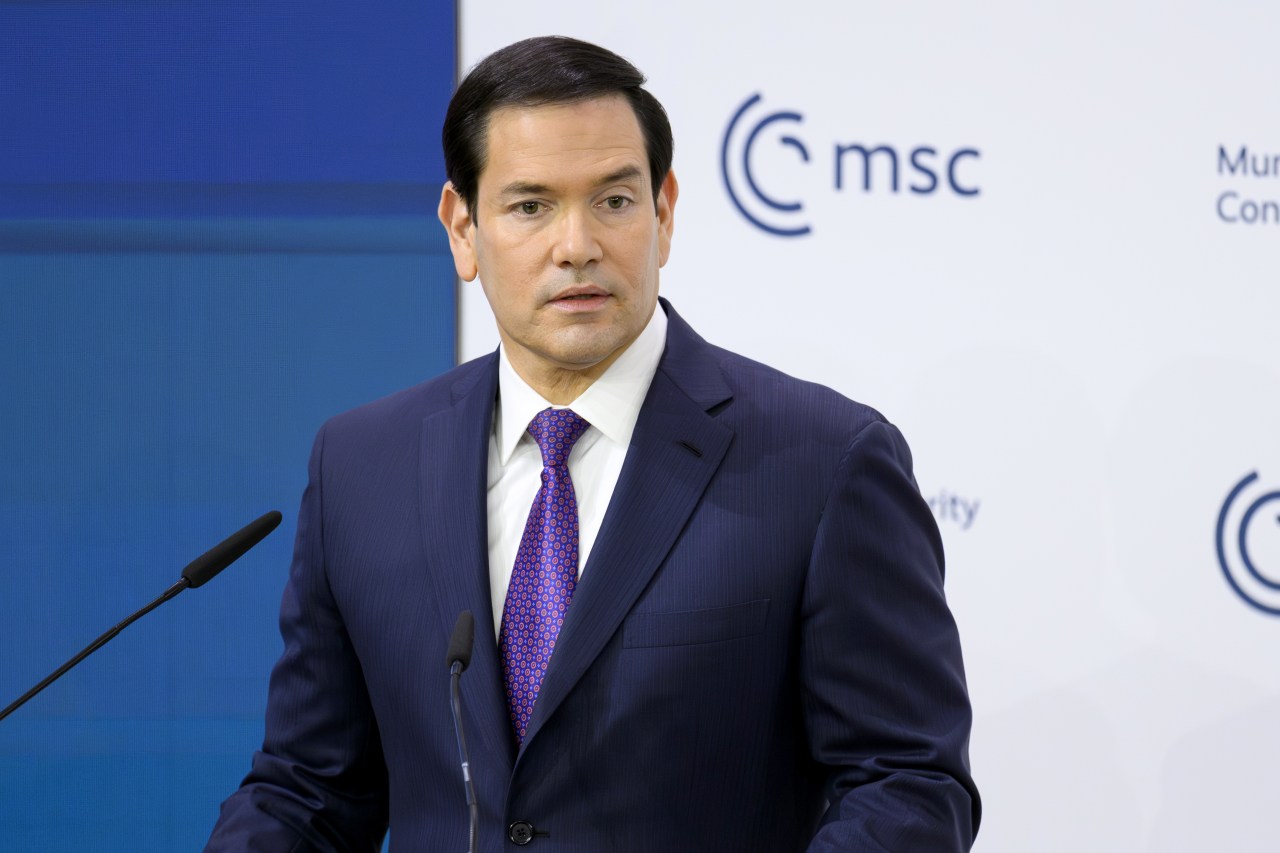
WASHINGTON— In a stark display of contrasting styles, Senators Marco Rubio and J.D. Vance recently delivered speeches in Munich, Germany, that, despite similarities in substance, showcased distinct approaches to diplomacy and international relations. The dichotomy between Rubio’s measured tone and Vance’s more assertive demeanor has sparked intrigue among observers, highlighting the complexities of diplomatic engagement in the modern era.
The Munich Forum: A Stage for Diplomacy
The annual Munich Security Conference has long served as a pivotal platform for world leaders to convene and address pressing global issues. This year, the event provided a unique backdrop for Senators Rubio and Vance to share their perspectives on international security, geopolitical dynamics, and the role of the United States in the global arena.
While both senators touched upon similar themes, including the importance of alliances, the need for strategic engagement with adversaries, and the imperative of maintaining military strength, their delivery and emphasis varied significantly.
Rubio’s Measured Approach: Emphasizing Cooperation and Dialogue
Senator Rubio’s speech was characterized by a call for cooperative international engagement, underscoring the value of diplomacy in resolving conflicts and addressing shared challenges. He emphasized the importance of maintaining and strengthening alliances, while also advocating for strategic dialogue with nations that may hold differing views.
Rubio’s approach reflects a traditional diplomatic mindset, one that prioritizes engagement and the pursuit of common interests as a means to achieve stability and security. His speech highlighted the complexities of the global landscape, encouraging a thoughtful and nuanced response to emerging challenges.
Vance’s Assertive Stance: A Reflection of Growing Nationalism
In contrast to Rubio’s measured tone, Senator Vance adopted a more assertive posture, emphasizing the need for a robust national defense and the importance of unwavering resolve in the face of global challenges. Vance’s speech resonated with themes of national sovereignty and the need for the United States to prioritize its own interests in the international arena.
Vance’s approach is emblematic of a growing trend within certain segments of the political spectrum, one that prioritizes nationalistic policies and a more isolationist stance on global issues. His speech served as a call to action, urging the United States to reassert its dominance and secure its position as a global leader.
Comparing and Contrasting: The Implications of Rubio and Vance’s Speeches
The stark stylistic differences between Rubio and Vance’s speeches in Munich serve as a microcosm for the broader debates within the realm of international relations and diplomacy. The contrast between their approaches underscores the complexity and nuance required in navigating the global landscape, where different styles and strategies may be appropriate depending on the context and situation.
As the United States continues to navigate the intricacies of international diplomacy, the speeches by Senators Rubio and Vance highlight the need for a multifaceted approach, one that balances the need for cooperation and dialogue with the imperative of maintaining national strength and sovereignty.
of US Diplomacy: Lessons from Rubio and Vance
The Munich speeches by Senators Rubio and Vance offer valuable insights into the evolving nature of US diplomacy and the diverse perspectives that exist within the political landscape. As the global arena continues to evolve, with new challenges and opportunities emerging, the ability of the United States to adapt and engage effectively will be crucial.
The contrast between Rubio’s good cop and Vance’s bad cop approaches serves as a reminder of the importance of flexibility and the need for a comprehensive foreign policy strategy that incorporates a range of tools and tactics. Ultimately, the success of US diplomacy will depend on its ability to balance competing interests, foster alliances, and negotiate effectively in a rapidly changing world.
