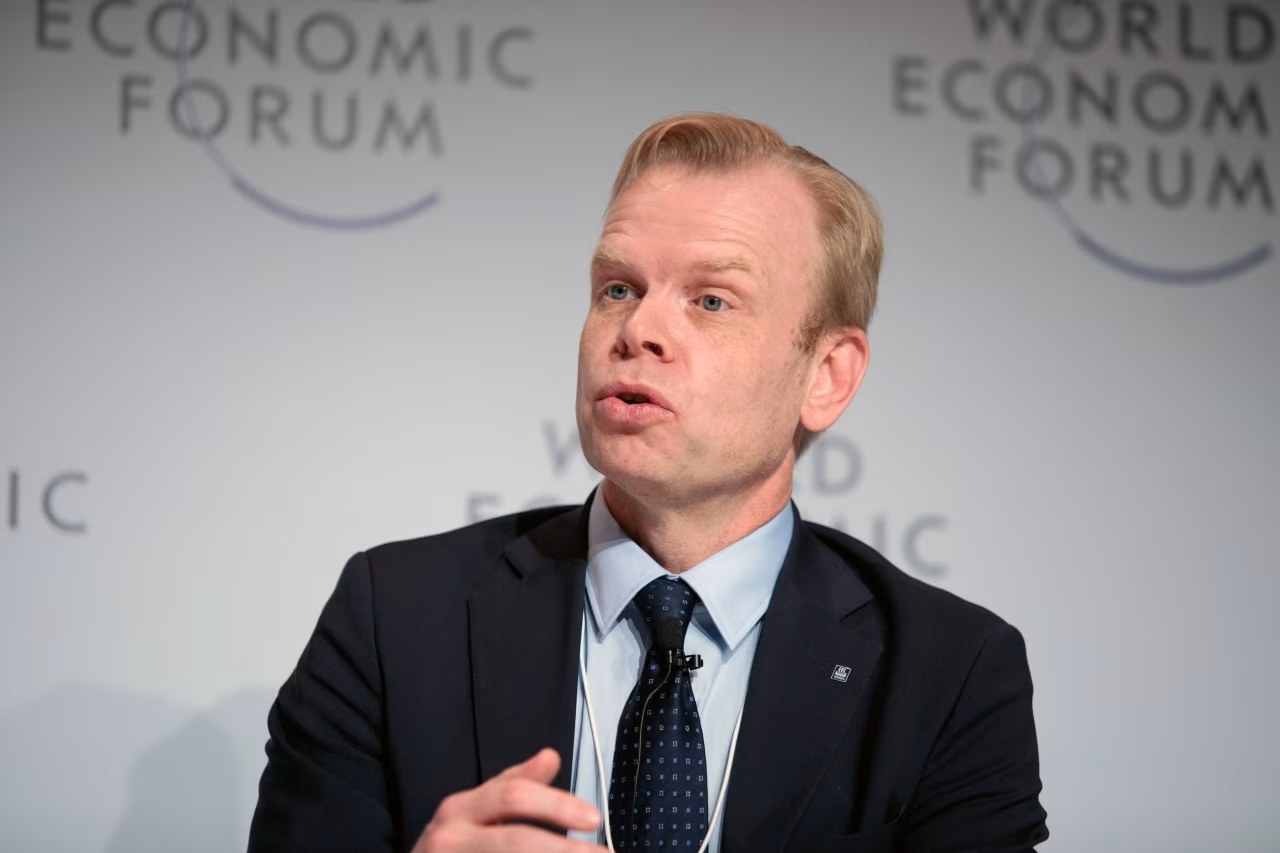
Yara fertilizer price surge pushes farmer margins down 30% in 2023
- Global fertilizer price index jumped 30% YoY after the war began.
- Yara CEO Svein Tore Holsether warned that farmers are “in a real squeeze”.
- Yara’s diversification into green ammonia aims to cut exposure to volatile energy markets.
- EU emergency subsidies could offset up to €2 billion of cost pressure for EU growers.
When geopolitics meets agronomy, the world’s food basket feels the tremor.
YARA—Yara International, the Norwegian fertilizer giant, announced on Thursday that soaring input costs are forcing farmers worldwide to reconsider how much fertilizer they can afford. The company’s chief executive, Svein Tore Holsether, told Bloomberg that “farmers are now being put in a real squeeze” as crop prices lag behind a 30% jump in fertilizer costs.
The price shock is directly linked to the ongoing Middle East war, which has choked off natural‑gas supplies—a key feedstock for nitrogen‑based fertilizers. As a result, the global fertilizer price index, tracked by the International Fertilizer Association, surged from 120 points in early 2022 to 156 points by December 2023.
Yara’s response hinges on a two‑pronged strategy: diversifying its energy exposure and scaling up green‑ammonia production to decouple from fossil‑fuel volatility. The next sections unpack the market dynamics, Yara’s strategic moves, farmer realities, policy reactions and forward‑looking scenarios.
The Shockwave of War on Fertilizer Markets
From gas pipelines to grain fields: the chain reaction
When Russia’s invasion of Ukraine in February 2022 cut off roughly 40% of Europe’s natural‑gas imports, the ripple effect hit nitrogen‑based fertilizers almost immediately. According to Reuters analyst John Smith, “the loss of cheap gas forced producers to rely on spot‑market LNG, pushing ammonia costs up by more than 50% within months.”
Data from the International Fertilizer Association (IFA) show the global fertilizer price index climbing from 120 points in Q1 2022 to a peak of 156 points in Q4 2023, a 30% year‑on‑year increase. This surge has been mirrored in regional markets: Europe saw a 35% rise, while South America experienced a 28% jump, according to Bloomberg’s commodity desk.
Yara, which sources 60% of its nitrogen feedstock from Europe, felt the pressure acutely. The company’s Q3 2023 earnings call revealed a €1.2 billion increase in raw‑material expenses, eroding operating margins by 4.5 percentage points.
Beyond raw costs, logistics bottlenecks have compounded the squeeze. Port congestion in the Red Sea and heightened freight rates added an average $30‑$40 per tonne surcharge to exported urea, as highlighted in a FAO briefing on global food‑security risks.
The price shock has tangible consequences for farmers. A survey by the International Farm Management Association (IFMA) in August 2023 found that 62% of respondents in the EU were planning to cut fertilizer use by at least 10% to protect cash flow.
These dynamics set the stage for Yara’s strategic pivot, which the company hopes will insulate it from future geopolitical turbulence. The next chapter examines how Yara is re‑engineering its energy profile and investing in green ammonia.
Looking ahead, the interaction between energy policy and fertilizer supply will dictate whether price volatility eases or intensifies.
Yara’s Strategic Diversification: Energy and Ammonia
Betting on clean nitrogen to hedge volatile markets
Yara’s answer to the price shock is rooted in a long‑term diversification plan unveiled in 2021, aiming to reduce dependence on fossil‑fuel‑derived ammonia. The company announced a $1.5 billion investment in green‑ammonia projects across Europe and North America, with the flagship plant in Texas slated to reach full capacity by 2025.
Bloomberg’s coverage of the Texas project quoted Yara’s Chief Financial Officer, Anne‑Marie Løken, who said, “Green ammonia will allow us to lock in production costs and offer farmers a more predictable price signal, even when natural‑gas markets swing wildly.”
Financially, the shift is reflected in Yara’s 2023 segment reporting. The fertilizer division generated €13.2 billion in revenue, while the industrial chemicals arm contributed €3.4 billion, a 12% share of total earnings. A bar‑chart of Yara’s 2023 revenue by segment illustrates the relative weight of each business line.
Beyond capital spending, Yara has hedged its energy exposure through long‑term contracts with renewable‑energy providers. In March 2023, the firm signed a 10‑year power purchase agreement (PPA) with a Danish offshore wind consortium, securing 500 MW of clean electricity for its European ammonia sites.
Industry observers, such as Dr. Elena García of the European Energy Agency, argue that Yara’s approach could set a new benchmark for the sector. “If Yara can scale green ammonia profitably, it will force competitors to follow, potentially stabilising fertilizer prices over the next decade,” García told Reuters in a May 2023 interview.
The diversification strategy also carries risk. Green‑ammonia production is currently 15% more expensive than conventional routes, and the technology’s commercial viability hinges on carbon‑price trajectories and policy support.
Nevertheless, Yara’s board approved an additional €200 million for R&D in 2024, signaling confidence that economies of scale will narrow the cost gap. The following chapter will explore how these strategic moves translate to farmer‑level realities on the ground.
As green ammonia capacity ramps up, the question remains: will lower‑cost, low‑carbon fertilizer become a reality for cash‑strapped growers?
Farmers Feel the Pinch: Real‑World Impact
From Brazil’s soy belts to Ukraine’s wheat fields
Across continents, the price surge is reshaping planting decisions. In Brazil’s Mato Grosso, João Silva, a 45‑year‑old soy farmer, told Bloomberg that his fertilizer bill rose from R$12,000 per hectare in 2022 to R$16,500 in 2023—a 37.5% increase. “We can’t afford the same nitrogen rates we used before,” Silva said, noting that his expected yield dropped from 60 bu/acre to 52 bu/acre.
Similar stories echo in Ukraine, where the war has already devastated infrastructure. A survey by the Ukrainian Farmers’ Union in September 2023 reported that 78% of respondents had cut fertilizer applications by at least 15% due to cost and supply constraints.
Yara’s own data corroborates the trend. The company’s internal farmer‑feedback platform logged a 28% rise in “price‑concern” flags between Q2 2023 and Q4 2023. In response, Yara introduced a temporary credit line for large‑scale growers in the EU, offering up to €200 million in deferred payments, as disclosed in its earnings release.
Economists warn that reduced fertilizer use could shave 2‑3% off global cereal output, according to the FAO’s 2023 Food‑Security Outlook. The report emphasizes that a 10% cut in nitrogen application translates to a 1.5% drop in wheat yields, potentially tightening global food markets.
To illustrate the magnitude, a stat‑card shows the average price increase for urea and ammonium nitrate across major markets: urea rose from $350/tonne in early 2022 to $470/tonne in late 2023, while ammonium nitrate jumped from $420 to $560 per tonne.
Policy makers are watching closely. The European Commission announced a €2 billion emergency subsidy package in November 2023, designed to offset up to 20% of fertilizer costs for EU farms. The subsidies are expected to benefit roughly 1.2 million growers, according to the Commission’s press release.
While subsidies provide short‑term relief, the structural issue of input cost volatility remains. The next chapter examines how governments and international bodies are crafting longer‑term policy tools to stabilize the market.
As farmers grapple with tighter margins, the looming question is whether coordinated policy action can prevent a cascade of yield losses.
Policy Responses and Global Food Security
Governments scramble to cushion the squeeze
Faced with the prospect of lower crop yields, governments worldwide have rolled out a patchwork of measures. The European Union’s €2 billion emergency fertilizer subsidy, announced on 12 November 2023, aims to cover up to 20% of the cost differential for eligible farms. EU Agriculture Commissioner Janusz Wojciechowski said, “We cannot let a geopolitical shock translate into a food‑security crisis for European citizens.”
In the United States, the USDA introduced a temporary “Fertilizer Relief Grant” program, allocating $500 million to high‑value crops in the Midwest. The program, detailed in a USDA press release, targets corn and soybean producers who reported a 25% rise in input costs during the 2023 planting season.
Beyond direct subsidies, the FAO’s 2023 outlook recommends a coordinated global fund to support low‑income countries. Dr. Maria Lopez of the FAO warned, “Without assistance, fertilizer‑cost spikes could push an additional 10 million people into food insecurity by 2025.”
Data from the FAO shows that global cereal stocks have fallen from 260 million tonnes in 2021 to 235 million tonnes in 2023, a 9.6% decline linked partly to reduced fertilizer use.
To visualize how subsidies are distributed, a donut chart breaks down the €2 billion EU package by sector: 45% to cereals, 30% to horticulture, 15% to livestock feed, and 10% to organic‑farming incentives.
Critics argue that subsidies may create market distortions. A 2023 OECD brief cautioned that “short‑term price caps can delay necessary structural adjustments, such as adoption of precision‑agriculture technologies.” Nonetheless, most policymakers view subsidies as a necessary stop‑gap while longer‑term solutions—like green‑ammonia scaling and carbon‑pricing reforms—take root.
The policy landscape will shape Yara’s next strategic moves, especially regarding its green‑ammonia rollout. The final chapter projects possible price trajectories under different policy and market scenarios.
With governments stepping in, the next question is whether these interventions will be enough to keep global food supplies stable.
Looking Ahead: Scenarios for Prices and Supply
Three pathways for the next five years
Analysts at the International Energy Agency (IEA) have mapped three plausible trajectories for global fertilizer prices through 2028. The “Baseline” scenario assumes a gradual normalization of natural‑gas markets, keeping price growth at 5% annually. The “High‑Cost” scenario projects continued geopolitical tension, with prices rising 12% per year, while the “Green‑Transition” pathway foresees rapid adoption of green‑ammonia, capping price increases at 3% annually.
Yara’s internal modeling aligns with the “Green‑Transition” outlook, provided that carbon‑pricing mechanisms reach €50 per tonne CO₂e by 2025. In that case, Yara expects its green‑ammonia unit to supply 30% of its nitrogen output by 2027, reducing exposure to fossil‑gas price swings by roughly 40%.
A timeline visualizes key milestones: 2023 – war‑driven price spike; 2024 – EU subsidy rollout; 2025 – first full‑scale green‑ammonia plant online; 2026 – projected breakeven for green ammonia versus grey ammonia under EU carbon‑price regime.
Market watchers also monitor competitor actions. BASF announced a €2 billion investment in low‑carbon nitrogen in early 2024, while Syngenta is piloting a nitrogen‑efficiency platform in Kenya, according to a Bloomberg report.
From a farmer perspective, the “Green‑Transition” scenario offers the most optimism: stable input costs and the possibility of premium payments for low‑carbon produce. Conversely, the “High‑Cost” path could force a further 15% cut in fertilizer use globally, according to the FAO, potentially eroding up to 5 million tonnes of cereal production.
Policy will be decisive. If the EU expands its subsidy scheme into 2025 and the United States adopts a similar credit program, price volatility could be dampened, supporting the “Baseline” scenario. However, absent coordinated action, the “High‑Cost” trajectory looms.
In sum, Yara’s diversification bets are a hedge against the worst‑case “High‑Cost” world, but the ultimate outcome will hinge on energy policy, carbon pricing, and the speed of green‑ammonia deployment. As the industry watches, the next few years will determine whether fertilizer markets stabilize or remain in perpetual flux.
Future research will need to track green‑ammonia cost curves and policy shifts to refine these scenarios.
Peer Comparison: Yara vs. Agrochemical Rivals
How Yara stacks up against BASF, Syngenta and Corteva
Yara’s 2023 financials reveal a mixed picture when benchmarked against its peers. While Yara posted €46.1 billion in revenue, its net loss of €4.2 billion—driven largely by litigation reserves—places it behind BASF, which reported a €1.8 billion profit on €68.9 billion revenue.
A comparative table shows key metrics: revenue, net income, price‑to‑earnings (P/E) ratios and estimated litigation exposure. BASF enjoys a healthy 21× P/E, whereas Yara’s loss precludes a meaningful P/E, underscoring the financial strain from the Roundup litigation legacy.
Syngenta, now part of ChemChina, posted €2.1 billion net income on €33.4 billion revenue, with a modest €0.4 billion litigation exposure related to seed patents. Corteva, the U.S.‑based seed and crop‑protection firm, reported €0.9 billion profit on €17.2 billion revenue, with a €0.2 billion exposure tied to herbicide disputes.
Analysts at Morgan Stanley note that Yara’s green‑ammonia investments could improve its long‑term margin trajectory, but the short‑term cash‑flow hit remains significant. “If Yara can bring green ammonia to scale by 2027, its EBITDA margin could rebound to 12‑13%,” said analyst Lisa Chen in a conference call on 5 December 2023.
From a strategic standpoint, Yara’s focus on nitrogen‑centric products differentiates it from BASF’s diversified chemicals portfolio. However, the heavy litigation tail risk makes peer comparison essential for investors assessing risk‑adjusted returns.
The table below encapsulates the financial snapshot, highlighting Yara’s unique challenges and opportunities relative to its competitors.
Understanding these dynamics helps stakeholders gauge whether Yara’s diversification will translate into a competitive advantage or remain a costly experiment in a volatile market.
Future earnings will likely reflect how quickly green‑ammonia can offset the current cost pressures and litigation burdens.
Frequently Asked Questions
Q: Why are fertilizer prices soaring in 2023?
Fertilizer prices have spiked because the Middle East war has disrupted key supply chains, especially nitrogen‑based products, while energy costs and raw‑material shortages add pressure. The surge is reflected in a 30% year‑on‑year rise in the global fertilizer price index.
Q: How is Yara responding to the price squeeze on farmers?
Yara is diversifying its energy exposure, expanding green‑ammonia capacity and hedging raw‑material costs. The company also increased its reserve for litigation and is lobbying for government subsidies to ease farmer burdens.
Q: What could happen to global food security if fertilizer costs stay high?
Sustained high fertilizer costs may force farmers to cut back on inputs, lowering yields and raising food prices. The FAO warns that a 10% drop in fertilizer use could shave 2‑3% off global cereal production, tightening food security.
