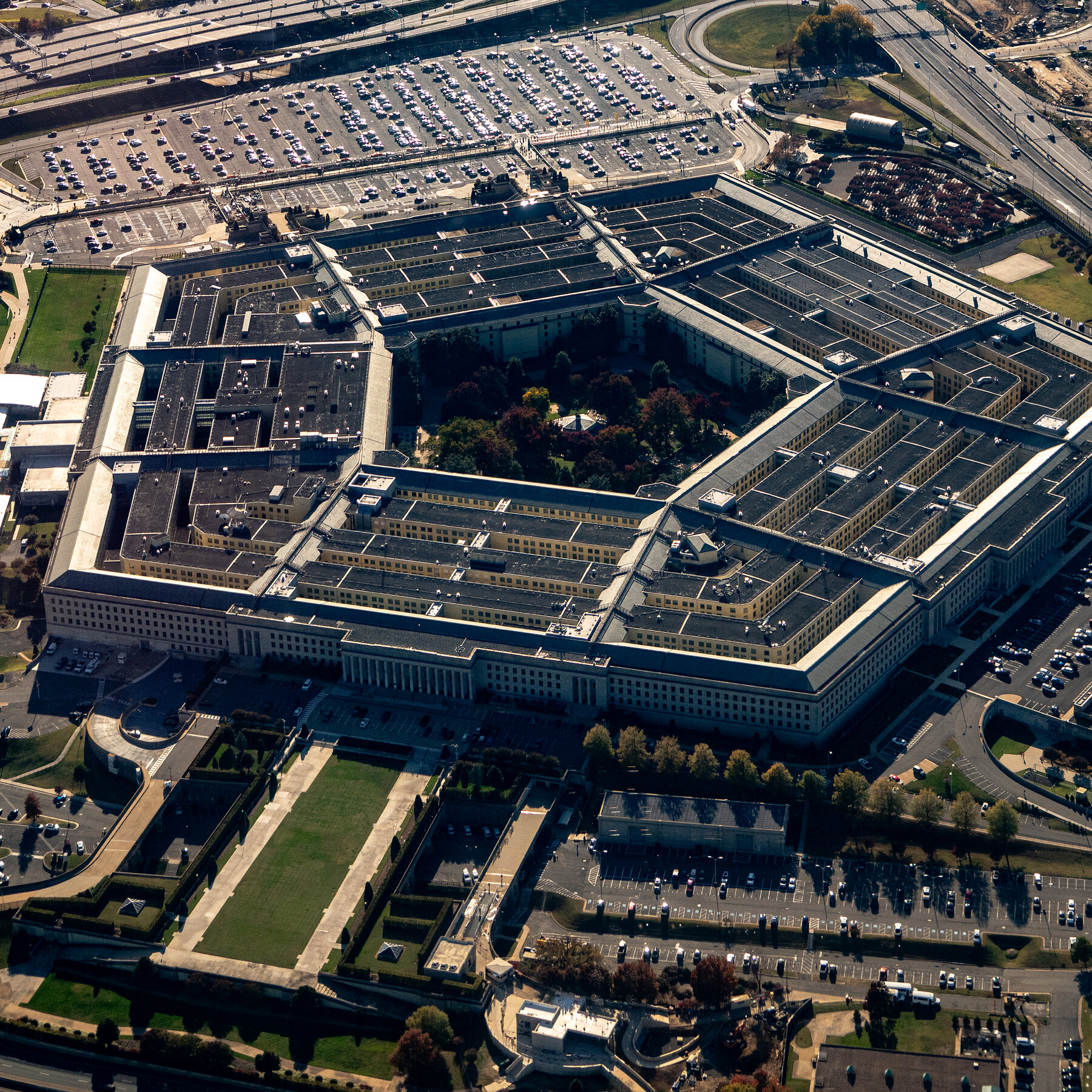
ARTIFICIAL INTELLIGENCE—A growing dispute between the Department of Defense and Anthropic, a leading artificial intelligence company, is highlighting the increasingly political nature of AI development and deployment. At the heart of the issue is how artificial intelligence will be used in future battlefields, with significant implications for national security, international relations, and the ethics of AI safety.
The Strategic Context of AI in Future Warfare
Introduction to AI in Warfare
The integration of artificial intelligence into military operations is not a new concept, but its role is expanding rapidly. AI systems can analyze vast amounts of data, make decisions faster than humans, and operate autonomously, which makes them highly valuable for military applications. However, this expansion also raises critical questions about AI safety, ethics, and the potential for destabilization in international relations.
Defense Department’s Perspective
The Department of Defense sees AI as a crucial component of future military superiority. The ability to deploy AI systems that can learn, adapt, and make decisions in real-time can provide a significant advantage on the battlefield. However, the DoD’s enthusiasm for AI also comes with concerns about safety and ethics, particularly regarding autonomous weapons systems that can select and engage targets without human intervention.
Anthropic’s Stance on AI Safety
Anthropic, known for its work on more controlled and safe AI environments, is at the forefront of this dispute. The company’s founders and researchers have voiced concerns about the rapid development and deployment of AI without adequate safeguards, emphasizing the need for rigorous testing, ethical considerations, and international agreements to prevent the misuse of AI in warfare. Anthropic’s stance puts it in a challenging position, balancing the need to contribute to national security with the ethical imperative to ensure AI safety and prevent potential catastrophes.
The Economic Levers and Geopolitical Friction
Economic Implications of AI Development
The development and deployment of AI for military use have significant economic implications. The race for AI superiority is not only about military power but also about economic dominance. Countries and companies investing heavily in AI are poised to reap substantial economic benefits, from creating new industries and job markets to enhancing existing infrastructure and services. However, this race also introduces new risks, including the potential for economic disruption, job displacement, and exacerbation of existing economic inequalities.
Geopolitical Tensions and AI
The geopolitical landscape is becoming increasingly complex with the introduction of AI into military arsenals. The fear of being left behind in the AI race is driving nations to accelerate their AI development programs, which in turn fuels geopolitical tensions. International relations are strained as countries navigate the challenges of AI diplomacy, seeking to establish norms and agreements that prevent the misuse of AI while protecting their national interests.
Ethics, Regulation, and the Future of AI in Warfare
Ethical Considerations and International Law
The ethical considerations surrounding AI in warfare are profound. The potential for autonomous systems to cause unintended harm, violate international law, or escalate conflicts poses significant moral and legal challenges. There is a growing call for international regulation and agreements that can mitigate these risks, ensuring that AI systems are developed and deployed in ways that are transparent, accountable, and compliant with humanitarian law.
Regulatory Challenges and Opportunities
Regulating AI in the context of warfare is a complex task. It requires a deep understanding of AI technologies, international law, and the geopolitical landscape. Despite these challenges, there are opportunities for innovation in regulation, from developing new standards for AI safety and security to creating frameworks for transparency and accountability in AI development and deployment.
Stakeholder Impact and Forward Signals
Impact on Stakeholders
The dispute between the Department of Defense and Anthropic has significant implications for various stakeholders. For the military, the integration of AI into future battlefields promises enhanced capabilities but also introduces new risks and complexities. For Anthropic and other AI companies, the challenge is to balance the demand for AI solutions with the need for safety, ethics, and responsibility. For the general public, the concern is the potential for AI to destabilize international relations and escalate conflicts.
Future Outlook
The future of AI in warfare is uncertain and fraught with challenges. As AI technologies continue to evolve, there will be increasing pressure to establish clear guidelines, regulations, and international agreements that can mitigate the risks associated with AI deployment. The path forward requires a collaborative effort from governments, industries, and civil societies to ensure that AI is developed and used in ways that promote peace, stability, and human security.
