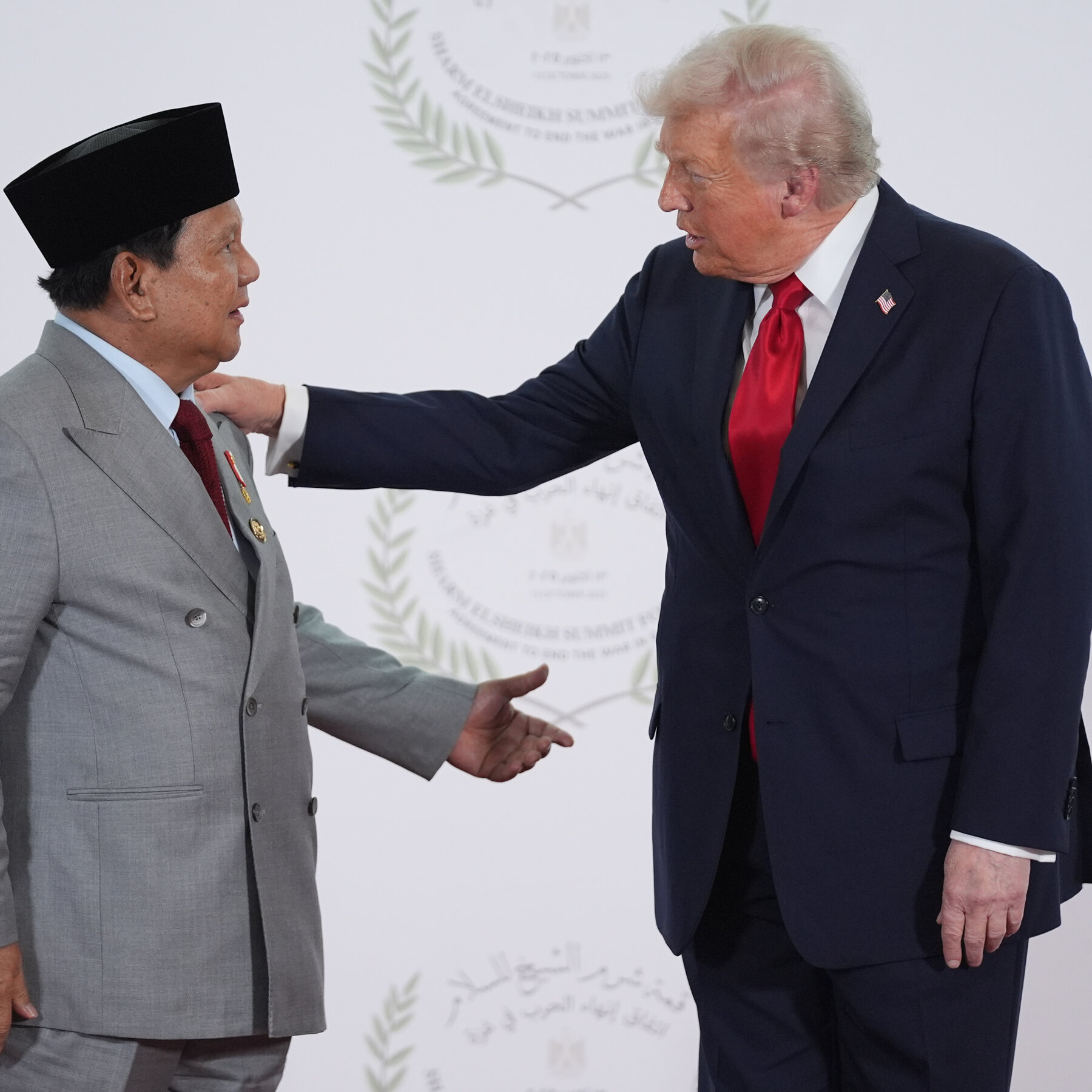
TRADE DEAL—In a significant development in global trade, the United States and Indonesia have formally signed a trade agreement. This deal, which was initially reached last year, solidifies a 19% tariff rate, providing Indonesia with a degree of relief by avoiding a potentially higher tariff. Additionally, the agreement outlines Indonesia’s commitment to cooperate on export controls, marking a strategic move in the bilateral trade relationship between the two nations.
The Strategic Trade Agreement
Introduction to the Agreement
The trade agreement between the United States and Indonesia is a pivotal moment in their economic relationship. By locking in a 19% tariff, Indonesia has managed to secure a more favorable trade environment compared to what could have been a significantly higher tariff. This deal reflects the ongoing efforts by both countries to strengthen their trade ties while addressing concerns over export controls.
Implications for Indonesia
For Indonesia, avoiding a higher tariff is a significant win. The country’s exports to the US can now proceed with more certainty, fostering a more stable trade environment. This stability is crucial for Indonesian businesses that rely heavily on the US market. Moreover, the commitment to cooperate on export controls demonstrates Indonesia’s willingness to comply with international standards, potentially easing the path for future trade negotiations.
US Perspective on the Deal
From the US perspective, the agreement signifies a successful negotiation in securing commitments from Indonesia on export controls. This aspect of the deal is particularly important as it aligns with broader US strategies to ensure that trade partners adhere to strict export control regimes. By doing so, the US aims to prevent the diversion of sensitive technologies and commodities, thereby safeguarding national security interests.
Export Control Cooperation
Understanding Export Controls
Export controls are measures implemented by countries to regulate the flow of certain goods and technologies across their borders. These controls are crucial for preventing the proliferation of weapons of mass destruction, protecting national security, and supporting foreign policy objectives. The commitment by Indonesia to cooperate on export controls is a significant aspect of the trade agreement, as it reflects the country’s readiness to align its export control practices with international standards.
Implications for Bilateral Relations
The agreement on export control cooperation has profound implications for the bilateral relationship between the US and Indonesia. It not only enhances the trust between the two nations but also opens up new avenues for cooperation in areas such as defense and technology. By working together on export controls, both countries can better address shared security concerns, potentially leading to deeper collaboration in the future.
Tariff Implications and Trade Environment
Tariff Structure and Its Impact
The 19% tariff rate agreed upon in the trade deal is a critical component that affects the trade environment between the US and Indonesia. Tariffs can influence the competitiveness of exports, with higher rates potentially discouraging trade. By establishing a relatively stable tariff rate, the agreement provides a clearer picture for businesses on both sides, facilitating planning and investment decisions.
Global Trade Context
The US-Indonesia trade agreement occurs within a complex global trade landscape. With ongoing trade tensions between major economies, agreements like this underscore the importance of bilateral negotiations in securing favorable trade terms. The deal also highlights the adaptive nature of trade policy, where countries seek to balance national interests with the need for international cooperation.
Future of US-Indonesia Trade Relations
Prospects for Deepened Cooperation
The signing of the trade agreement marks a significant step forward in the trade relationship between the US and Indonesia. Looking ahead, there are opportunities for both countries to deepen their cooperation, potentially exploring new areas such as investment, services, and digital trade. A strong foundation in trade can also pave the way for broader strategic cooperation, benefiting both nations in the Asia-Pacific region.
Challenges and Opportunities
Despite the progress made, challenges remain. Both countries will need to navigate the complexities of implementing the agreement, ensuring that the commitments made are fulfilled. Moreover, the dynamic nature of global trade means that the US and Indonesia must remain adaptable, prepared to address new issues as they arise while continuing to nurture their trade relationship.
