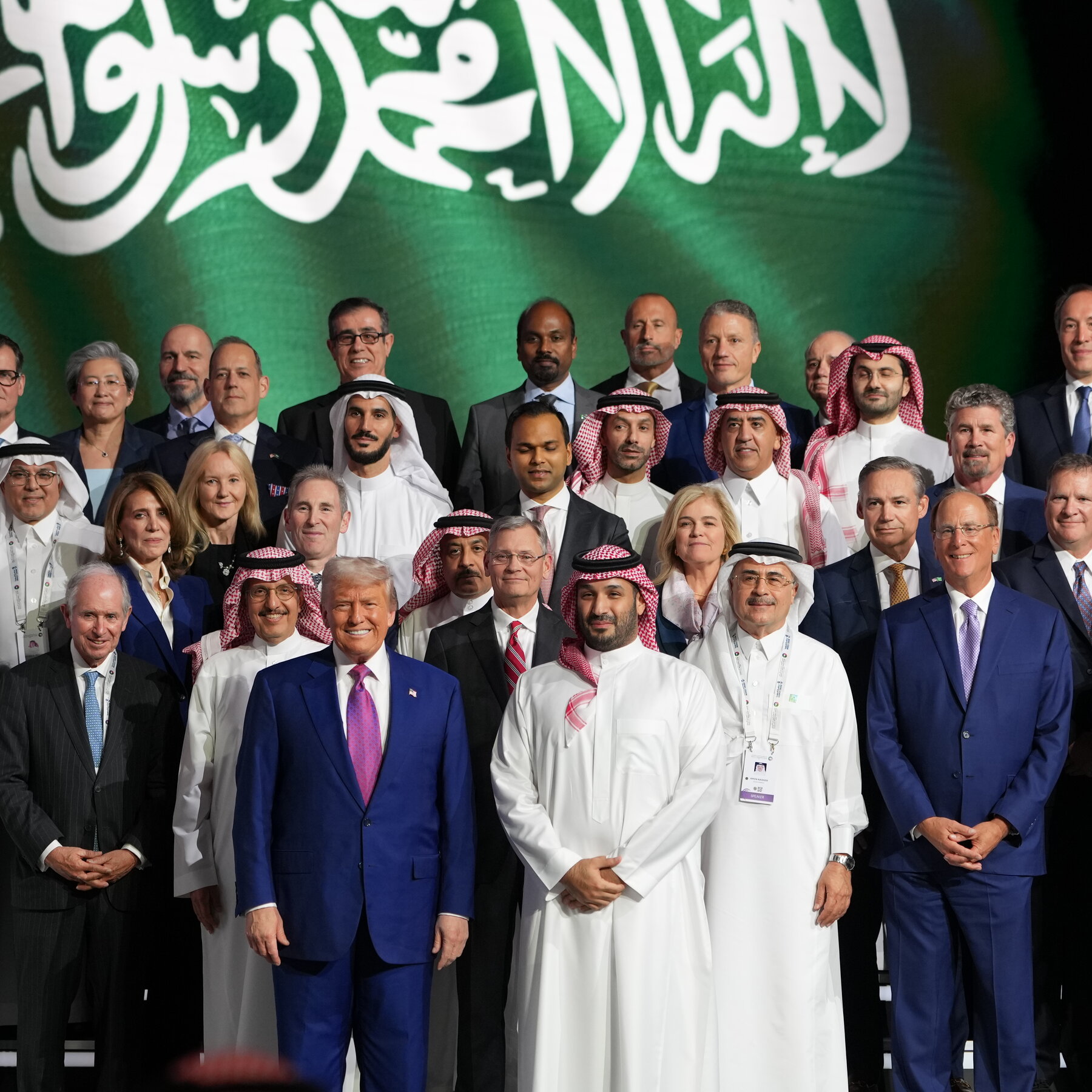
NEOROYALISM—As the world grapples with understanding the intricacies of President Trump’s approach to global policy and economics, a fascinating theory has emerged – one that draws parallels with centuries-old dynastic rule, termed ‘Neoroyalism’. This concept suggests that Trump’s governance style and economic policies bear striking resemblance to those of monarchies past, where power, wealth, and influence were concentrated in the hands of a few. But what does this theory really tell us about Trump’s vision for America’s place in the world, and how does it reflect his economic strategy?
The Historical Antecedents of Neoroyalism in Global Politics
Introduction to Neoroyalism
Neoroyalism, as a concept, is not entirely new but has gained significant attention in the context of Trump’s presidency. It refers to a system where political power is heavily centralized, often in the figure of a charismatic leader, and economic policies are designed to benefit a narrow elite. This is reminiscent of monarchical systems where the ruling family held absolute power and controlled the economic destiny of their subjects.
Trump’s Neoroyalism
Trump’s approach to governance, including his emphasis on personal loyalty, the concentration of decision-making power in the White House, and the blurring of lines between personal and public interests, echoes elements of neoroyalism. His economic policies, such as tax cuts that disproportionately benefit the wealthy and large corporations, can also be seen as reflecting a neoroyalist approach, where the ruling elite’s economic interests are prioritized.
The Economic Levers of Neoroyalism Under Trump
Economic Policies and Neoroyalism
The Trump administration’s economic policies have been a subject of much debate, with critics arguing that they favor the rich and large corporations at the expense of the middle and lower classes. The 2017 tax cuts, for example, reduced corporate tax rates significantly, a move that aligns with the neoroyalist tendency to consolidate wealth among the elite. Furthermore, the administration’s approach to trade, marked by tariffs and bilateral agreements, reflects a desire to exert control over the global economic landscape, a trait also characteristic of neoroyalist systems.
Global Trade and Neoroyalism
The use of tariffs as a tool of economic policy under Trump can be seen as a manifestation of neoroyalist tendencies, where the power to impose economic penalties or benefits is wielded by the central authority, in this case, the President, without necessarily adhering to the norms of international trade agreements or the advice of economic experts.
The Global Implications of Neoroyalism for Trump’s America
Neoroyalism and Global Governance
The embrace of neoroyalist principles by the Trump administration has significant implications for global governance. It suggests a move away from the multilateral, rules-based international order that has been in place since the end of World War II, towards a more bilateral, power-based system where might makes right. This shift could undermine the stability and predictability that have characterized international relations for decades, leading to increased tensions and conflict.
Challenges to the International Order
Moreover, the neoroyalist approach to international relations, as manifested in Trump’s ‘America First’ policy, challenges the very foundation of the international order. It questions the value of alliances, the importance of international institutions, and the commitment to shared values such as democracy and human rights. This not only affects the United States’ relationships with its allies but also poses a challenge to the global rules-based system.
Public Perception and the Future of Neoroyalism Under Trump
Public Opinion and Neoroyalism
The public’s perception of Trump’s neoroyalist tendencies is divided, reflecting the polarized nature of American politics. While some see his approach as a necessary correction to a system they believe has failed them, others view it as a dangerous erosion of democratic norms and the concentration of power in the executive branch. Understanding these perceptions is crucial, as they will influence the political trajectory of the United States and the fate of neoroyalism as a governing philosophy.
The Future of Neoroyalism
Looking ahead, the future of neoroyalism under Trump and potentially beyond his presidency depends on several factors, including the outcome of elections, the response of other nations to America’s newfound assertiveness, and the resilience of democratic institutions in the face of neoroyalist challenges. Whether neoroyalism proves to be a transient phenomenon or a more enduring feature of American politics remains to be seen, but its implications for global policy, economics, and democracy are undeniable.
