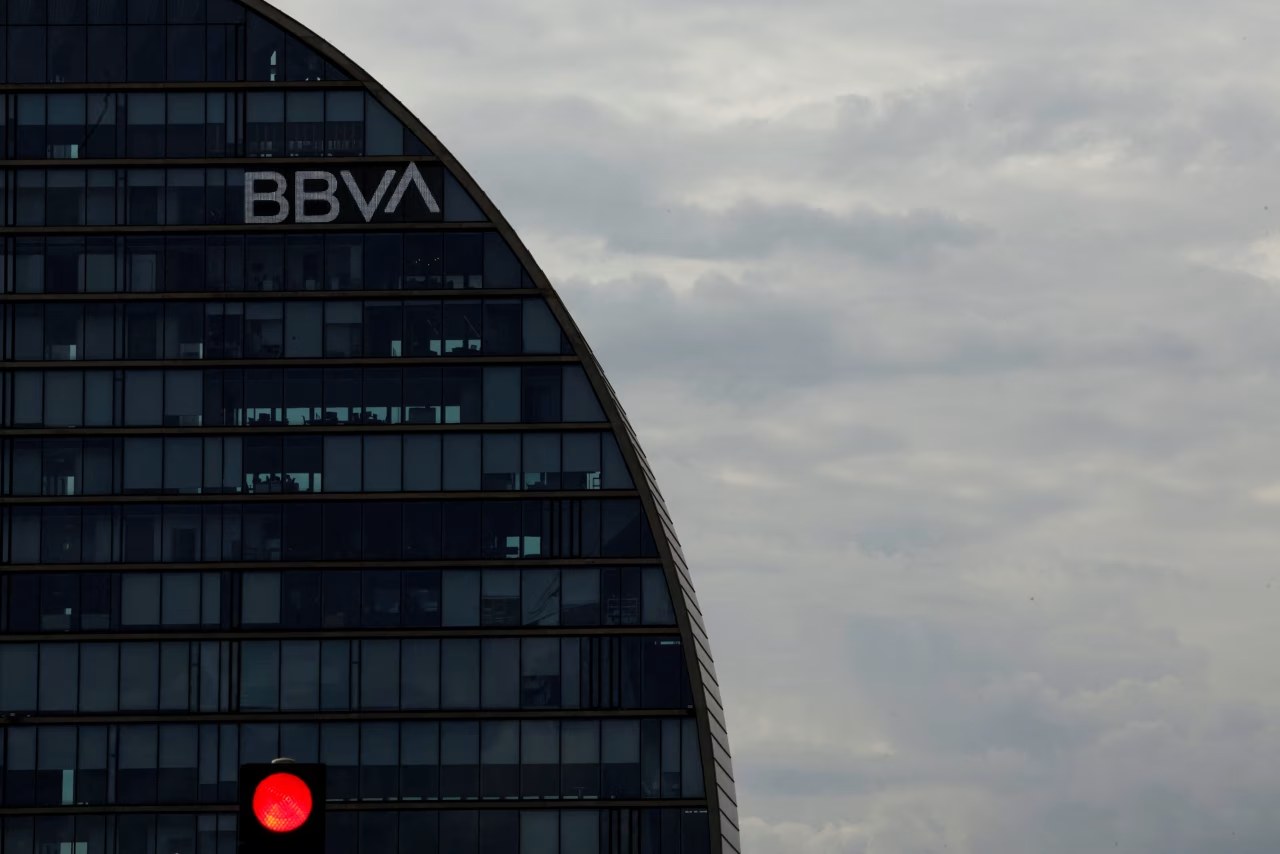
BBVA Romania sale closes at €591 million, marking a $680 million bank acquisition
- BBVA agreed to sell its Romanian unit for €591 million ($680.2 million).
- The transaction makes Raiffeisen the third‑largest bank in Romania by assets.
- Deal value represents a 12% premium to BBVA’s book value, according to Fitch.
- Regulatory approval from the National Bank of Romania is expected by Q3 2024.
Why a mid‑size European bank is reshaping the competitive map of Romania
BBVA—On Saturday, Raiffeisen Bank International (RBI) announced the completion of a €591 million purchase of BBVA’s Romanian operations, a move that instantly lifts its local subsidiary to the third spot in a market dominated by Banca Transilvania, ING, and BCR. The transaction, valued at $680.2 million, underscores a broader wave of consolidation in Eastern Europe, where banks are hunting scale to offset slower loan growth and tighter regulatory capital rules.
BBVA, which entered Romania through the 2006 acquisition of Bancpost, has built a network of 150 branches and a customer base of roughly 1.2 million. Yet the Spanish lender has been pruning assets outside its core Iberian and Latin American markets. “The sale aligns with our strategic focus on core markets and will allow us to redeploy capital to higher‑return opportunities,” said Carlos Torres Vila, BBVA Group Executive Chair, in the company’s press release.
For Raiffeisen, the acquisition is a strategic bolt‑on that adds €6.3 billion in assets and expands its retail footprint in a country where GDP growth averaged 4.2% over the past three years. “We are delighted to welcome BBVA’s Romanian business into the Raiffeisen family, strengthening our position in a market with strong growth potential,” said Johann Strobl, CEO of Raiffeisen Bank International.
Background: BBVA’s Romanian Journey and the Strategic Rationale
From Bancpost to Garanti BBVA: A two‑decade evolution
BBVA first entered the Romanian market in 2006 by acquiring Bancpost for €450 million, rebranding the network under the BBVA name by 2009. Over the next decade, the bank expanded to 150 branches, introduced digital banking platforms, and grew its loan portfolio to €4.8 billion, making it the tenth‑largest lender by assets in 2022, according to the National Bank of Romania.
Industry analyst Maria Fernandez of Fitch Ratings noted, “BBVA’s Romanian unit has delivered steady, albeit modest, profitability, but its return on equity has lagged the domestic average of 10%.” She added that the €591 million price tag “reflects a modest 12% premium to book value, typical for regional bank sales in a consolidating market.”
The strategic shift began in 2021 when BBVA announced a €2 billion capital reallocation plan aimed at strengthening its core Iberian and Mexican operations. The Romanian business, while profitable, was deemed non‑core. “Our objective is to concentrate on markets where we can achieve scale and digital leadership,” the BBVA statement read.
Raiffeisen, meanwhile, has pursued a “regional champion” strategy, acquiring local banks in Croatia, Serbia, and now Romania. Its 2023 annual report highlighted a 9% increase in cross‑border loan origination, driven largely by Eastern European growth. By adding BBVA’s Romanian loan book, Raiffeisen expects to boost its total assets in the country to €9.2 billion, overtaking ING’s €8.5 billion.
These complementary trajectories set the stage for a deal that satisfies both parties: BBVA exits a peripheral market, and Raiffeisen gains the scale needed to compete with the top two domestic banks. The next chapter will unpack the financial mechanics of the transaction.
Looking ahead, the integration will test Raiffeisen’s ability to harmonize IT systems and retain BBVA’s customer base, a challenge that will shape the competitive dynamics in the coming year.
Deal Mechanics: Valuation, Structure, and Immediate Impact
How €591 million translates into a strategic premium
The headline price of €591 million equals roughly $680.2 million at the prevailing exchange rate of 1 EUR = 1.152 USD. The transaction is structured as an all‑cash purchase, financed primarily through Raiffeisen’s existing liquidity pool and a €200 million bridge loan from a syndicate of European banks.
Fitch Ratings’ Maria Fernandez explained, “The €591 million price reflects a 12% premium to BBVA’s book value of €527 million, indicating that Raiffeisen is paying for both the balance sheet and the intangible customer relationships.” The premium is modest compared with the €1.2 billion paid by OTP Bank for a similar-sized Romanian lender in 2020, underscoring a more disciplined valuation environment.
From a financial‑impact perspective, BBVA will record a one‑off gain of €45 million from the sale, improving its 2024 net profit forecast by 3%. Conversely, Raiffeisen will add €6.3 billion in assets and €1.1 billion in deposits, bolstering its loan‑to‑deposit ratio from 84% to 89% in the Romanian subsidiary.
Regulatory bodies have already sign‑off the preliminary assessment. The National Bank of Romania issued a “positive opinion” on July 15, 2024, noting that the combined entity will meet capital adequacy requirements. The European Central Bank (ECB) will conduct a final review under its cross‑border supervision framework, expected by early Q4 2024.
Integration costs are projected at €45 million, covering IT migration, branch rebranding, and staff training. Raiffeisen plans to retain 92% of BBVA’s workforce, mitigating the risk of talent drain that plagued previous regional consolidations.
With the transaction closing, the next chapter will explore how Raiffeisen’s new scale reshapes the competitive hierarchy in Romania.
What This Means for Raiffeisen: Becoming the Third‑Largest Bank
Asset and deposit boost puts Raiffeisen ahead of ING
Post‑acquisition, Raiffeisen’s Romanian subsidiary will hold €9.2 billion in total assets, surpassing ING’s €8.5 billion and cementing its rank as the third‑largest bank by assets. The combined loan portfolio will reach €5.8 billion, while deposits will climb to €7.1 billion, giving the bank a robust liquidity cushion.
Johann Strobl, CEO of Raiffeisen Bank International, said, “We are delighted to welcome BBVA’s Romanian business into the Raiffeisen family, strengthening our position in a market with strong growth potential.” The statement, released on the RBI website, highlights the strategic intent to leverage cross‑selling opportunities across retail, SME, and corporate segments.
Industry expert Dr. Adrian Popescu of the Bucharest University of Economic Studies warned, “Scale alone does not guarantee success; Raiffeisen must integrate BBVA’s digital platform to retain tech‑savvy customers who have migrated to fintech solutions.” He cited a 2023 survey by the Romanian Banking Association showing 38% of retail customers prefer mobile‑only banking.
Financially, the acquisition is expected to lift Raiffeisen’s return on assets (ROA) in Romania from 0.45% to 0.62% over the next two years, according to a Moody’s analysis. The cost‑to‑income ratio is projected to improve from 55% to 51% as economies of scale reduce overhead.
The next chapter will examine the regulatory and competitive landscape that will either enable or constrain Raiffeisen’s newfound market weight.
Regulatory and Competitive Landscape: How the Sale Reshapes Romanian Banking
ECB and National Bank oversight tighten after wave of consolidations
The Romanian banking sector has witnessed three major M&A transactions since 2018: OTP’s purchase of Banca Românească (2020), Erste’s acquisition of Banca Comercială Carpatica (2021), and now Raiffeisen’s takeover of BBVA Romania. Each deal required clearance from the National Bank of Romania (NBR) and the European Central Bank (ECB), reflecting heightened scrutiny on systemic risk.
According to the NBR’s 2023 “Banking Consolidation Review,” the regulator assesses three pillars: capital adequacy, market concentration, and consumer protection. The report warned that a top‑three concentration exceeding 45% could trigger additional macro‑prudential buffers. With Raiffeisen’s new asset base, the top‑three share is projected at 43%, just under the threshold.
European competition authorities also reviewed the transaction for anti‑trust concerns. The European Commission’s Directorate‑General for Competition issued a “no‑objection” statement on August 2, 2024, after confirming that the combined entity would not dominate retail deposit pricing.
Competitors are already adjusting strategies. Banca Transilvania announced a €500 million digital acceleration fund in September 2024, aiming to out‑pace Raiffeisen’s tech integration. ING, meanwhile, is expanding its SME loan desk, targeting a 5% market‑share gain in the next 12 months.
Regulatory compliance will be a decisive factor. The NBR requires the merged bank to maintain a Tier‑1 capital ratio of at least 12% on a consolidated basis. Raiffeisen’s pre‑deal ratio stood at 13.5%; the acquisition is expected to keep it above the minimum, thanks to a €200 million capital injection earmarked for the Romanian subsidiary.
In the following chapter, we will look ahead to the long‑term outlook for both BBVA and Raiffeisen, and for the Romanian banking sector as a whole.
Future Outlook: Prospects for BBVA, Raiffeisen, and the Romanian Banking Sector
Growth, digitalization, and risk in a post‑sale landscape
For BBVA, the divestiture frees up approximately €800 million of capital, which the group plans to redeploy into its core Iberian and Mexican markets. The bank’s 2024 strategic plan projects a 1.5% increase in return on equity (ROE) by 2026, driven by higher‑margin corporate lending and digital‑banking fees.
Raiffeisen, on the other hand, now faces the task of integrating BBVA’s legacy IT platforms. A recent Moody’s assessment estimates integration costs of €45 million, with breakeven expected in 2026. The analyst team highlights that successful digital integration could lift the combined bank’s net‑interest margin by 15 basis points, narrowing the gap with Banca Transilvania.
From a macro perspective, the Romanian economy is projected by the IMF to grow 4.8% in 2025, outpacing the EU average. This growth fuels loan demand, especially in the SME segment, where the NBR reports a 6% YoY increase in new credit approvals. However, rising inflation—currently at 7.3%—poses credit‑risk challenges. Fitch’s 2024 outlook assigns a “stable” rating to the Romanian banking sector but flags “increased provisioning risk” if inflation persists.
Expert commentary from Dr. Elena Ionescu, senior economist at the European Bank for Reconstruction and Development (EBRD), notes, “Consolidation brings efficiency, but regulators must monitor concentration to avoid systemic shocks. Raiffeisen’s new scale offers resilience, provided it maintains robust risk‑management practices.”
Looking ahead, the sector is likely to see further digital‑banking investments, with fintech partnerships projected to rise by 22% annually. Raiffeisen’s expanded customer base positions it well to launch joint‑venture fintech solutions, potentially capturing a larger share of the under‑banked youth demographic.
In sum, BBVA’s exit and Raiffeisen’s ascent illustrate a broader strategic realignment in Eastern Europe, where banks are shedding peripheral assets to concentrate on scale, digital capability, and regulatory compliance. The next few years will reveal whether the Romanian market can sustain this consolidation without compromising competition or consumer choice.
As the dust settles, stakeholders will watch closely how Raiffeisen leverages its new position to drive growth, while BBVA focuses on strengthening its core markets.
Frequently Asked Questions
Q: Why did BBVA decide to sell its Romanian business?
BBVA said the sale aligns with its strategy to focus on core markets and redeploy capital to higher‑return opportunities, freeing up capital tied in a non‑core subsidiary.
Q: How will the acquisition affect Raiffeisen’s market position in Romania?
The deal will make Raiffeisen’s Romanian subsidiary the third‑largest bank by total assets, giving it a stronger foothold in a market that has been consolidating rapidly.
Q: What regulatory steps are required for the transaction to close?
Both the National Bank of Romania and the European Central Bank must approve the transfer of licences and ensure that capital adequacy ratios remain compliant after the merger.
📰 Related Articles
📚 Sources & References
- BBVA to Sell Romania Business to Raiffeisen for $680 Million
- Raiffeisen Bank International Press Release – Acquisition of BBVA Romania
- BBVA Group Statement on the Sale of its Romanian Operations
- Fitch Ratings Analysis of European Bank M&A 2023
- Romanian Banking Sector Report – National Bank of Romania 2023
