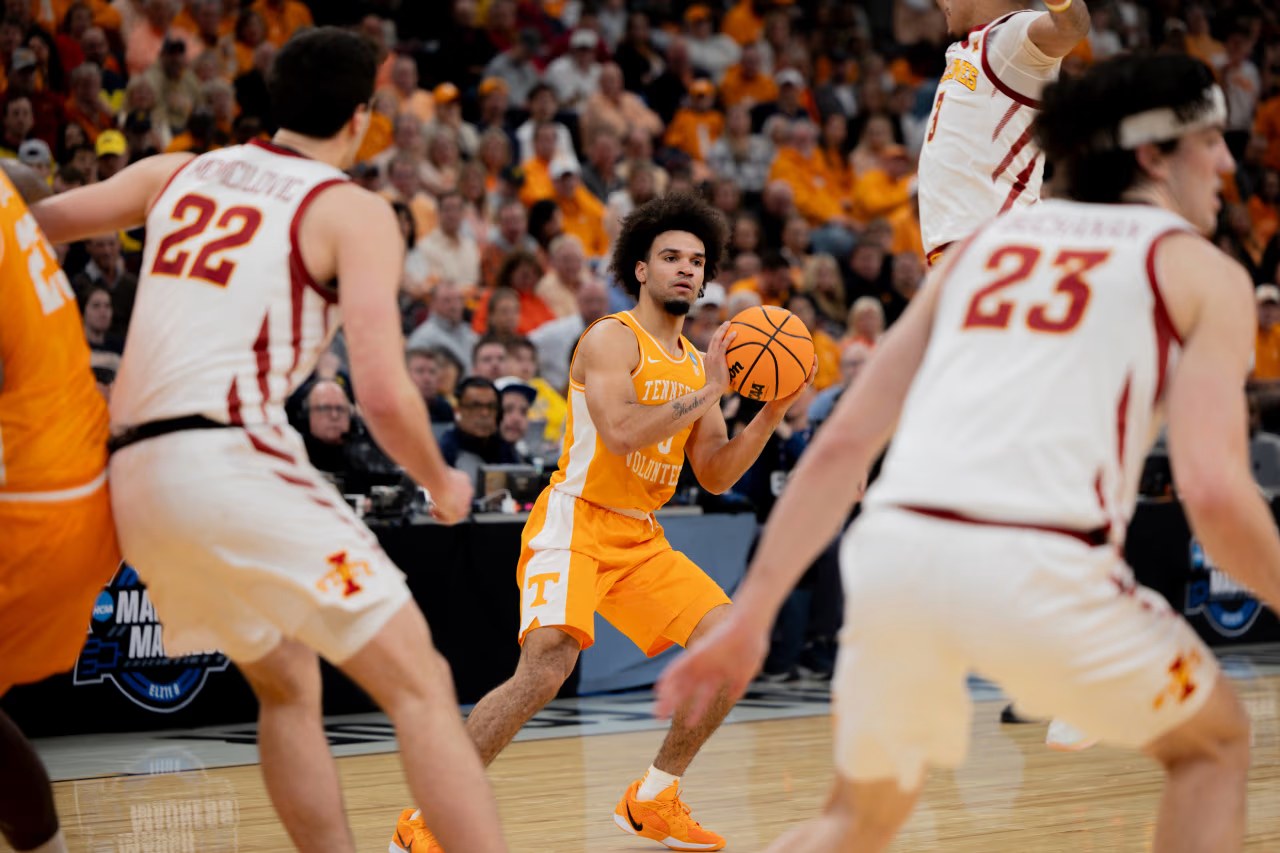
Supreme Court’s 9-0 Alston Decision Unleashes $100M in Athlete Deals and Sparks Talk of Federal Regulation
- The unanimous 2021 Alston ruling dismantled NCAA limits on education-related pay, opening the door for lucrative endorsement and booster-funded contracts.
- University of Illinois basketball lured several professional European players with six-figure packages, illustrating the new recruiting arms race.
- TV ratings for men’s Division I basketball and football have climbed as fans embrace the high-stakes, pro-style environment on campus.
- Lawmakers from both parties are drafting federal legislation to standardize athlete compensation and rein in booster collectives.
Amateurism is dead, and Capitol Hill may now decide what comes next for college athletics.
NCAA—The Supreme Court’s landmark decision in National Collegiate Athletic Association v. Alston did not merely tweak the rules—it detonated the foundation of amateurism that had governed college sports for more than a century. In a rare 9-0 rebuke, the justices ruled that the NCAA cannot restrict education-related benefits, setting off a cascade of pay-to-play deals, lawsuits, and recruiting battles that have left the association scrambling and Congress contemplating a federal takeover.
Within months of the June 2021 ruling, athletes began signing endorsement contracts worth tens of thousands of dollars. Boosters formed collectives that pool millions to entice recruits. Programs such as Illinois’s men’s basketball team have gone global, offering richer packages to professional European players who now view the NCAA as a more lucrative stop than lower-tier foreign leagues. Meanwhile, television executives report record viewership, suggesting fans approve of the hyped talent pool—even as university presidents warn of runaway spending and uneven playing fields.
Legal scholars say the ruling’s ripple effect was inevitable. “Alston removed the last legal justification for capping athlete pay,” said Gabe Feldman, director of the Tulane Sports Law Program. “Once that dam broke, state NIL laws kicked in and the market exploded.” With more than 30 states enacting overlapping—and sometimes conflicting—name-image-likeness statutes, pressure is mounting on Washington to impose a uniform national framework before the 2024-25 academic year.
From Amateurs to Professionals in One Ruling
How a narrow case about laptops and internships turned into a wrecking ball for college sports
Inside the courtroom, Alston looked technical: whether schools could provide athletes with laptops, paid internships, or graduate-school scholarships. Outside, the case became a referendum on the NCAA’s entire business model. Justice Brett Kavanaugh’s concurring opinion was blistering: “The NCAA’s business model would be flatly illegal in almost any other industry in America.” The line energized plaintiffs’ lawyers and sent athletic departments scrambling.
Within six weeks of the ruling, the NCAA suspended its longstanding caps on education-related compensation. Universities responded by folding lavish benefits into recruiting pitches: six-figure internships at booster-owned companies, use of private jets for family visits, and immediate access to seven-figure life-insurance policies that can be cashed out. Illinois basketball’s recruitment of professional Europeans—players already paid abroad—signals how blurred the line between college and pro has become.
Data show the trend accelerating. Opendorse, a platform that tracks athlete deals, reports more than 200,000 NIL contracts signed since July 2021, with average football compensation topping $8,000 per player and men’s basketball stars earning north of $25,000. The top 1% of athletes command deals exceeding $1 million annually, a figure unheard of under the old regime.
Legal experts warn that the NCAA’s remaining bylaws are on shaky ground. “Any attempt to limit non-education pay will face antitrust scrutiny,” said Feldman. Courts in Colorado and Tennessee have already enjoined the NCAA from enforcing rules against booster payments tied to recruiting. If the Supreme Court takes another case, observers expect the justices to finish what they started in Alston—ending amateurism entirely.
What comes next could reshape campus economics. Athletic departments project collective athlete payrolls topping $30 million per year at Power-Five programs within five years, dwarfing coaches’ salaries. University presidents privately fear a federal reckoning if Congress decides the market needs guardrails.
Why Illinois Is Paying European Pros to Play College Ball
Inside the six-figure packages that lured seasoned pros to Champaign
The University of Illinois made headlines when head coach Brad Underwood confirmed the program offered contracts to multiple professional players from Europe’s second-tier leagues. Terms were not disclosed, but people familiar with the negotiations say the deals averaged $150,000 per season plus housing stipends, use of a car, and guaranteed internship income that pushes total compensation close to $250,000.
Underwood defended the strategy as a logical response to the post-Alston marketplace. “We’re not breaking rules; we’re competing,” he told reporters. The players, who retain college eligibility because they were never under NBA contract, provide immediate veteran experience while cashing in on an American system that now pays more than many European clubs.
Industry analysts see the move as a template. Power-Five schools with wealthy donor bases can outspend mid-tier foreign clubs, creating a reverse pipeline that funnels 24-year-old professionals onto campus. Critics argue this undermines the spirit of collegiate competition, but NCAA president Charlie Baker has conceded that enforcement is nearly impossible without federal legislation.
TV ratings suggest the gambit is working. Illinois averaged 1.9 million viewers on Fox and CBS last season, up 23% from pre-Alston numbers. Advertisers covet the older, more polished rosters that resemble minor-league basketball, and networks are paying premiums for inventory that once relied on teenage freshmen.
Compliance officers privately worry about precedent. If schools can recruit paid foreigners, what stops them from signing G-League veterans or NBA buyouts? The answer may lie on Capitol Hill, where senators are weighing a national standard that would cap inducements and require contract transparency.
Could Congress Impose a Federal NIL Framework?
Bipartisan momentum builds for national rules as states diverge
With 34 state laws and counting, the NIL landscape resembles a patchwork quilt that recruiters exploit. Florida allows multi-year contracts; Alabama requires deals to be posted within 14 days; California permits athletes to sign with agents in high school. The NCAA, stripped of enforcement teeth by Alston, can only watch.
Senators Tommy Tuberville (R., Ala.) and Joe Manchin (D., W.Va.) have circulated draft legislation that would create a federal standard: contracts must be disclosed within 48 hours, schools must maintain a public database, and collectives would face IRS scrutiny if they operate as booster fronts. Representative Lori Trahan (D., Mass.) has proposed a bill that goes further, granting athletes employee status and collective-bargaining rights.
University presidents favor a middle path. The Big Ten and SEC jointly commissioned a study that found federal pre-emption of state laws could save compliance costs of $7 million per campus annually. But schools oppose any measure that classifies athletes as employees, warning of Title IX imbalances and workers-comp liabilities.
Antitrust lawyers say Congress has the constitutional authority under the Commerce Clause, but politics are tricky. Lawmakers from states with permissive NIL regimes resist federal ceilings, while those from restrictive states want a level playing field. The result is legislative gridlock—though hearings are expected this summer as the 2024 election looms.
If a bill passes, it would likely include a safe-harbor provision immunizing the NCAA from further antitrust suits so long as compensation caps are reasonable and tied to academics. That trade-off—federal oversight in exchange for legal certainty—could define college sports for the next generation.
What Record Ratings Mean for the Future Model
Networks bet big that fans prefer star-studded rosters—even if they’re paid
CBS averaged 9.7 million viewers for its 2023 March Madness coverage, the highest since 2015, while Fox’s Big Ten Saturday primetime package rose 18% year-over-year. ESPN’s College Football Playoff semifinals drew 21 million despite lopsided scores. The common denominator: rosters stocked with recognizable, social-media-savvy stars who promote games to their own followers.
Media-rights consultants say the trend undercuts the argument that paying athletes would alienate fans. “Viewers want elite talent and compelling stories,” said Lee Berke, president of LHB Sports. NIL delivers both: quarterboards can earn six figures promoting products on TikTok, then back it up on Saturday. Advertisers pay premiums for that integrated reach.
Networks are responding with bigger checks. The Big Ten’s new seven-year, $7 billion deal with Fox, CBS, and NBC averages $1 billion annually, nearly double the prior contract. The SEC’s agreement with ESPN averages $710 million per year through 2034. Those figures hinge on the assumption that star players will remain on campus rather than bolt to the NFL or NBA for marginal raises.
Yet there is a ceiling. If collectives balloon to the point where only a dozen schools can compete, national interest could wane. The NCAA’s internal models show parity erosion cuts postseason ratings 12-15%, a risk networks factor into their bids. That financial reality may pressure Congress to impose competitive-balance measures—such as salary caps or revenue sharing—mirroring pro leagues.
For now, the numbers suggest fans have embraced the new reality. Whether that enthusiasm survives federal regulation will determine if college sports become a de facto minor league—or something entirely new.
Frequently Asked Questions
Q: What did the Supreme Court decide in NCAA v. Alston?
In a 9-0 ruling the Court said the NCAA cannot limit education-related benefits, setting off a chain reaction that now allows direct athlete payments and endorsement deals.
Q: How has the Alston ruling changed recruiting?
Schools like Illinois now offer six-figure packages to lure top talent—including professional Europeans—because NCAA caps on compensation were struck down.
Q: Could Congress step in to regulate college sports?
Yes. With the NCAA’s amateurism model shredded and a patchwork of state NIL laws, bipartisan bills are circulating to create a federal framework for athlete pay and oversight.
