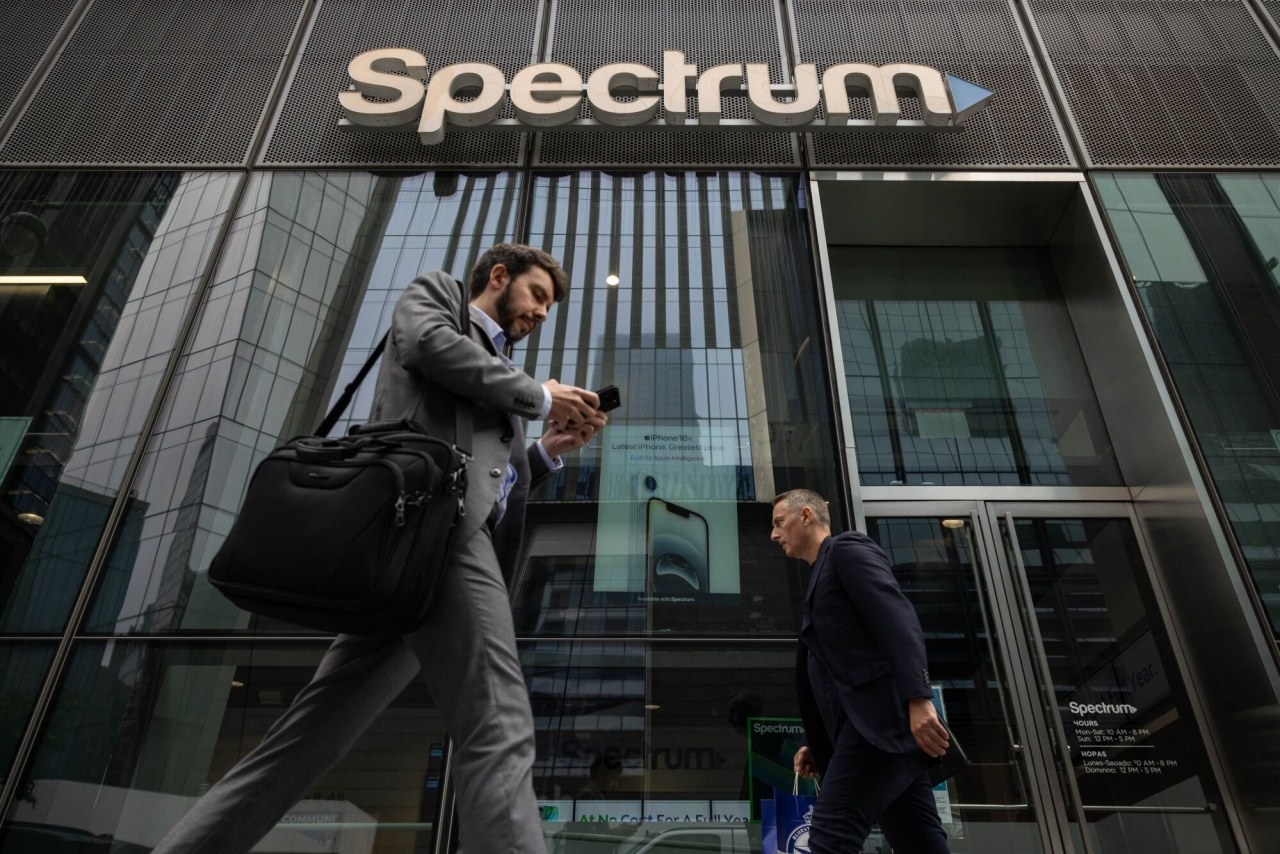
STREAMING SERVICES—In a surprising turn of events, the very streaming services that were once predicted to be the demise of traditional cable TV have become its unlikely lifeline. Charter Communications and other cable providers have found a way to slow down the exodus of cord-cutters by bundling these streaming apps into their services, effectively turning a potential threat into a strategic opportunity.
The Cable TV Conundrum
Introduction to Cord-Cutting
Cord-cutting, the practice of abandoning traditional cable television subscriptions in favor of online streaming services, has been a significant threat to the cable TV industry. However, instead of fighting this trend, cable providers like Charter Communications have decided to embrace it. By bundling streaming services into their packages, they are offering consumers a more comprehensive viewing experience, potentially slowing down the rate of cord-cutting.
Bundling Strategy
The strategy involves partnering with popular streaming services to include them in cable TV packages. This not only provides cable subscribers with access to a wider range of content but also gives streaming services a broader reach and more stable revenue streams. It’s a win-win situation for both parties involved.
The Shift in Consumer Behavior
Changing Viewing Habits
Consumers’ viewing habits have significantly changed with the rise of streaming services. The flexibility and affordability of streaming platforms have attracted many viewers away from traditional cable TV. However, the bundling of streaming services with cable TV packages could change this narrative. By offering a one-stop solution for all viewing needs, cable providers are making their services more appealing to consumers who want to access both traditional TV content and streaming services without the hassle of managing multiple subscriptions.
Consumer Preferences
Research indicates that consumers are looking for convenience and value in their entertainment options. The integration of streaming services into cable TV packages addresses these preferences by providing a single interface for accessing a wide variety of content. This could lead to increased customer satisfaction and loyalty to cable providers.
The Business Case for Integration
Financial Benefits
The partnership between cable providers and streaming services is financially beneficial for both parties. Cable companies can reduce the rate of cord-cutting, thereby maintaining their revenue base. Streaming services, on the other hand, gain access to a larger consumer base and can share in the revenue generated from the bundled packages. This mutual benefit can lead to more stable and predictable income streams for both industries.
Market Expansion
By working together, cable TV and streaming services can expand their market reach. Cable providers can attract younger viewers who are more inclined towards streaming, while streaming services can tap into the traditional TV-watching audience. This collaboration can lead to a more diverse and extensive customer base for both industries.
Challenges and Future Directions
Technical Challenges
The integration of streaming services into cable TV packages is not without its challenges. Technical issues such as bandwidth requirements, content delivery, and user interface compatibility need to be addressed. Additionally, the business models of both industries must be aligned to ensure a seamless and beneficial partnership for both parties.
Future Outlook
Despite the challenges, the future of the partnership between cable TV and streaming services looks promising. As technology continues to evolve and consumer behavior changes, this collaboration is likely to become more sophisticated. The key to success will be the ability of both industries to adapt to these changes and offer consumers the best possible viewing experience.
