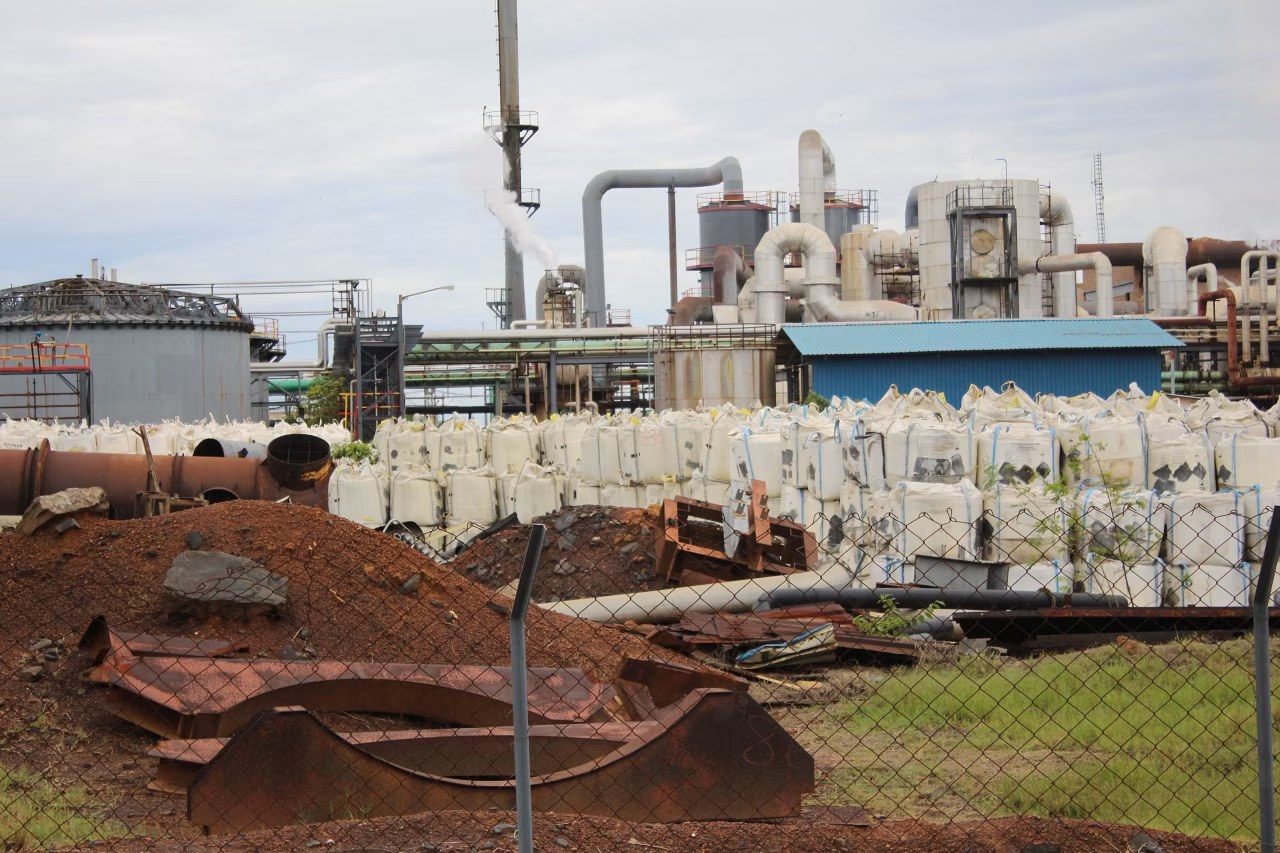
Virtus Minerals’ $1 Billion DRC Cobalt Acquisition Marks Major U.S. Supply Chain Shift
- Virtus Minerals, a U.S. firm, acquired a significant cobalt producer in the Democratic Republic of Congo.
- This acquisition represents a strategic success for U.S. efforts to secure critical mineral supplies.
- The acquired entity carries approximately $1 billion in debt, posing a substantial financial challenge.
- The Mutoshi mine, a key asset, is grappling with incursions by thousands of informal workers.
- Operating in the DRC presents unique difficulties for American companies due to the complex business environment.
America’s Quest for Cobalt Security Navigates Geopolitical Minefields and Financial Hurdles
COBALT MINING—In a strategic maneuver reshaping global mineral supply dynamics, a U.S.-based entity, Virtus Minerals, has finalized the acquisition of a major cobalt producer nestled within the resource-rich Democratic Republic of Congo (DRC). This landmark DRC cobalt acquisition, heralded as a significant victory for the Trump administration, draws to a close a protracted effort initiated by the preceding Biden administration to fortify America’s access to essential cobalt resources, crucial for the burgeoning electric vehicle and renewable energy sectors. The move underscores a persistent geopolitical imperative to secure critical minerals that underpin modern technological advancements and national security.
The acquisition, however, is not without its formidable complexities. Virtus Minerals steps into a challenging operational landscape, taking on a company encumbered by an estimated $1 billion in debt. Adding to this financial burden is the pervasive issue of informal mining, with thousands of artisanal workers actively encroaching upon the Mutoshi mine, identified as the acquired entity’s most valuable asset. This confluence of financial distress, operational insecurity, and the inherent difficulties of conducting business in the DRC places Virtus Minerals squarely at the forefront of a high-stakes venture, where strategic gains must be meticulously balanced against considerable risks.
Analysts are closely observing how Virtus Minerals will navigate this intricate web of economic, social, and political challenges. The success of this particular DRC cobalt acquisition could serve as a blueprint for future U.S. investments in critical mineral supply chains, or conversely, highlight the enduring obstacles that deter Western companies from venturing into politically sensitive and operationally demanding regions. The implications extend far beyond a single corporate transaction, touching upon global competition for resources, sustainable development in host nations, and the very future of secure energy transitions.
The Geopolitical Imperative: Securing U.S. Critical Mineral Supply Chains
The recent DRC cobalt acquisition by Virtus Minerals is more than just a corporate transaction; it represents a pivotal moment in the ongoing geopolitical contest for critical mineral supremacy. For years, the United States has sought to reduce its reliance on adversarial nations for essential raw materials, a strategy that gained bipartisan traction across administrations. The successful conclusion of this deal, framed as a significant win for the Trump administration, is the culmination of efforts that originated under the Biden administration, highlighting a consistent national security priority regardless of political leadership.
Cobalt, a silvery-blue metal, is indispensable for the production of lithium-ion batteries that power electric vehicles, smartphones, and various high-tech defense applications. The Democratic Republic of Congo holds the world’s largest known reserves of cobalt, making it a crucial, albeit complex, source for global supply. Dr. Anya Sharma, Director of Geopolitical Resources at the Global Strategic Minerals Institute, notes the enduring significance of such strategic moves. “The U.S. has recognized for over a decade that a secure supply of critical minerals like cobalt is paramount for both economic competitiveness and national defense,” Dr. Sharma explained. “This acquisition directly addresses a vulnerability, reducing dependence on supply chains susceptible to geopolitical leverage.”
A Decade of Shifting Global Dynamics in Critical Minerals
The pursuit of a diversified cobalt supply chain reflects broader concerns about global resource control. The primary source text explicitly mentions that the acquired entity was “not already in China’s hands,” underscoring the intense competition with Beijing for influence over these vital resources. This particular detail is crucial, as China has aggressively invested in Congolese mining assets over the past two decades, often through state-backed enterprises, establishing a dominant position in the processing and refining of many critical minerals, including cobalt. This has created a strategic dilemma for Western nations, prompting renewed efforts to secure direct access.
The strategic imperative behind the DRC cobalt acquisition is rooted in anticipating future demand. As the world accelerates its transition to green energy and digital technologies, the need for cobalt is projected to surge. By securing direct access to one of the world’s largest cobalt producers, Virtus Minerals and, by extension, the U.S. government, aim to ensure a more resilient and ethically sourced supply for American industries. However, the path ahead involves navigating deep-seated challenges inherent in the DRC’s mining sector, setting the stage for Virtus Minerals’ formidable task.
Virtus Minerals’ Bold Gambit: Navigating DRC’s Operational Minefield
Virtus Minerals’ recent DRC cobalt acquisition marks a calculated, yet profoundly challenging, entry into one of the world’s most demanding business environments. The source text explicitly states that the firm is “venturing where other American companies often feared to tread,” a stark acknowledgement of the formidable obstacles that have historically deterred Western investment in the Democratic Republic of Congo’s mining sector. This hesitation stems from a complex interplay of political instability, pervasive corruption, infrastructure deficits, and intricate local dynamics.
The acquired company itself presents a considerable undertaking, being “saddled with some $1 billion in debt.” This substantial financial burden immediately places Virtus Minerals in a position requiring aggressive financial restructuring and careful cash flow management, even before considering operational improvements. Industry analysts, like Dr. Anya Sharma of the Global Strategic Minerals Institute, emphasize the gravity of such a starting position. “Taking on a billion dollars in debt in any operating environment is a significant challenge,” Dr. Sharma observed. “In a jurisdiction as complex as the DRC, it magnifies every other operational hurdle, demanding robust financial strategies and a deep understanding of local regulatory frameworks to ensure long-term viability.”
The Dual Challenge: Debt and Environment
Beyond the inherited debt, Virtus Minerals must contend with the broader context of the DRC, described as “one of the world’s toughest countries in which to do business.” This characterization encompasses a multitude of factors, including legal uncertainties, infrastructure limitations, and often opaque governance structures. Foreign companies operating in the DRC frequently face challenges related to permitting, taxation, and the protection of assets, requiring sophisticated risk management frameworks and a commitment to rigorous ethical standards.
The success of this DRC cobalt acquisition will, therefore, serve as a critical test of Virtus Minerals’ operational resilience and strategic foresight. It requires more than just capital; it demands a nuanced approach to community engagement, robust security protocols, and a steadfast commitment to navigating a political landscape that can shift rapidly. The path for Virtus Minerals will involve not only extracting valuable cobalt but also building sustainable relationships and mitigating risks in a region known for its volatility, directly impacting the long-term prospects of securing critical mineral supplies for the U.S. market.
The Mutoshi Mine: A Microcosm of DRC’s Mining Paradox
At the heart of Virtus Minerals’ ambitious DRC cobalt acquisition lies the Mutoshi mine, explicitly identified in the source text as the acquired company’s “richest mine.” This designation underscores its immense potential for cobalt extraction, yet it is simultaneously the epicenter of one of the most pressing operational and ethical challenges confronting the new American owner: “an incursion of thousands of informal workers.” This dual reality—significant mineral wealth juxtaposed with widespread artisanal mining—is a defining characteristic of the Democratic Republic of Congo’s mining sector.
Informal mining, often referred to as artisanal and small-scale mining (ASM), is a critical social and economic phenomenon in the DRC. Thousands of individuals, often lacking formal employment alternatives, engage in manual extraction of minerals, frequently in dangerous conditions and without regulatory oversight. Their presence on industrial concessions, such as Mutoshi, leads to a myriad of problems for large-scale operators. These include significant production losses due to mineral theft, safety hazards for both informal and company workers, environmental degradation, and complex challenges related to supply chain traceability and ethical sourcing.
Navigating the Human Element in Mineral Extraction
Dr. Anya Sharma, Director of Geopolitical Resources at the Global Strategic Minerals Institute, highlighted the pervasive nature of this issue. “The presence of thousands of informal workers isn’t just an operational nuisance; it’s a deep-seated socio-economic challenge,” Dr. Sharma stated. “Any company operating in the DRC must develop robust, ethical strategies to engage with artisanal miners, whether through formalization programs, community development initiatives, or strict enforcement, while upholding human rights and environmental standards. The Mutoshi situation exemplifies this delicate balance.” The sheer scale of the incursion at Mutoshi indicates a deeply entrenched system that Virtus Minerals must address with both sensitivity and strategic resolve.
The challenge for Virtus Minerals, following its DRC cobalt acquisition, will be to implement solutions that secure its concession while also considering the livelihoods of the local population dependent on informal mining. This often involves intricate negotiations with local communities, government authorities, and non-governmental organizations to find sustainable alternatives or pathways for formalization. Failing to manage this human element effectively could jeopardize not only the mine’s operational efficiency and profitability but also the company’s reputation and social license to operate, making it a pivotal area of focus for the new American owners.
The Billion-Dollar Burden: Financial Realities of the DRC Cobalt Acquisition
The financial foundation of Virtus Minerals’ strategic DRC cobalt acquisition is significantly shaped by the colossal debt inherited with the new asset. The source text explicitly details that the acquired company is “saddled with some $1 billion in debt,” a figure that immediately elevates the financial risk profile of this venture. This substantial liability requires more than just operational expertise; it demands a sophisticated approach to financial management, debt restructuring, and long-term capital planning to ensure the sustainability of the investment.
A debt burden of this magnitude can severely constrain a company’s ability to invest in necessary infrastructure upgrades, technology modernization, and crucial social programs, all of which are vital for successful, long-term operations in a challenging environment like the DRC. The interest payments alone could consume a significant portion of potential revenues, impacting cash flow and reducing the profitability of the Mutoshi mine, despite its ‘richest mine’ designation. Dr. Anya Sharma, Director of Geopolitical Resources at the Global Strategic Minerals Institute, emphasized the downstream effects of such a financial legacy. “A billion-dollar debt is not just a balance sheet item; it’s an operational overhead that can dictate a company’s every move,” Dr. Sharma noted. “It impacts everything from hiring decisions to environmental compliance investments, making efficient resource allocation absolutely critical for Virtus Minerals’ success in this DRC cobalt acquisition.”
Strategic Financial Navigation in a High-Risk Region
Virtus Minerals’ ability to successfully integrate and operate its new Congolese asset will depend heavily on its strategy for managing this debt. Options might include refinancing, negotiating with existing creditors, or leveraging its own financial strength to alleviate the burden. However, each approach comes with its own set of complexities and costs, particularly within the unpredictable economic and political landscape of the Democratic Republic of Congo.
Moreover, the debt situation could influence Virtus Minerals’ market valuation and its capacity to attract further investment or partnerships. The transparency and management of this financial challenge will be closely scrutinized by stakeholders, from investors to supply chain partners looking for ethically and financially sound sources of critical minerals. The handling of this $1 billion debt will therefore be as crucial to the long-term success of the DRC cobalt acquisition as resolving the operational issues at the Mutoshi mine, shaping the trajectory of U.S. efforts to secure its cobalt supply.
Beyond Acquisition: The Road Ahead for U.S. Cobalt Security
The successful DRC cobalt acquisition by Virtus Minerals marks a critical milestone, but it is merely the opening chapter in a much longer narrative for U.S. critical mineral security. The strategic implications extend far beyond the immediate transaction, touching upon future supply chain resilience, the ethical sourcing of materials, and the broader geopolitical landscape of resource competition. The challenges—a billion-dollar debt and widespread informal mining at Mutoshi—are stark reminders that securing vital resources often entails navigating some of the world’s most complex and demanding operational environments.
Looking ahead, the success of this acquisition will be measured not just by its financial returns, but by its contribution to a stable, diversified, and transparent cobalt supply chain for the United States. This will require Virtus Minerals to implement best-in-class environmental, social, and governance (ESG) practices, ensuring that the benefits of mining are shared equitably with local communities and that environmental impacts are minimized. Dr. Anya Sharma of the Global Strategic Minerals Institute commented on the multifaceted nature of this success. “For an acquisition of this strategic importance, the ‘win’ extends beyond the deal closure,” Dr. Sharma articulated. “It encompasses the sustained capacity to operate responsibly, mitigate risks, and deliver a consistent supply of ethically sourced cobalt, establishing a new benchmark for U.S. engagement in critical mineral-rich regions.”
Crafting a Sustainable Model for Critical Resource Development
The long-term trajectory for U.S. cobalt supply will likely involve a combination of strategic acquisitions, domestic exploration and recycling initiatives, and robust international partnerships. The experience of Virtus Minerals in the DRC will offer invaluable lessons for future endeavors, highlighting the need for comprehensive due diligence, strong local partnerships, and a long-term commitment to stakeholder engagement. This particular DRC cobalt acquisition could serve as a model for how American companies can re-engage in challenging markets, balancing strategic national interests with corporate responsibility.
Ultimately, the road ahead for U.S. cobalt security hinges on a sustained, collaborative effort across government, industry, and civil society. Virtus Minerals’ bold move has set a precedent, demonstrating a willingness to tackle significant challenges to secure vital resources. However, the true measure of this strategic success will be its ability to transform an acquired asset, fraught with inherited difficulties, into a reliable and responsible source of cobalt, ensuring America’s technological and economic competitiveness for decades to come.
Frequently Asked Questions
Q: What is the strategic importance of the DRC cobalt acquisition by Virtus Minerals?
The DRC cobalt acquisition by Virtus Minerals is a significant strategic win for U.S. efforts to secure critical mineral supplies. Cobalt is vital for electric vehicle batteries and high-tech industries, and this acquisition lessens reliance on other nations for a crucial resource, bolstering national economic and defense interests.
Q: What primary challenges does Virtus Minerals face with its new Congolese cobalt acquisition?
Virtus Minerals faces substantial challenges with its Congolese cobalt acquisition, including approximately $1 billion in inherited debt. Additionally, its richest asset, the Mutoshi mine, experiences incursions by thousands of informal workers, and the overall Democratic Republic of Congo business environment is notoriously complex and difficult for foreign operations.
Q: How does this DRC cobalt acquisition connect to prior U.S. administrations’ policies?
The DRC cobalt acquisition culminates an effort that originated during the Biden administration, aimed at securing critical cobalt supplies. Although finalized during the Trump administration, it signifies a bipartisan, sustained U.S. strategic interest in diversifying and strengthening its critical mineral supply chains, particularly for essential resources like cobalt.
