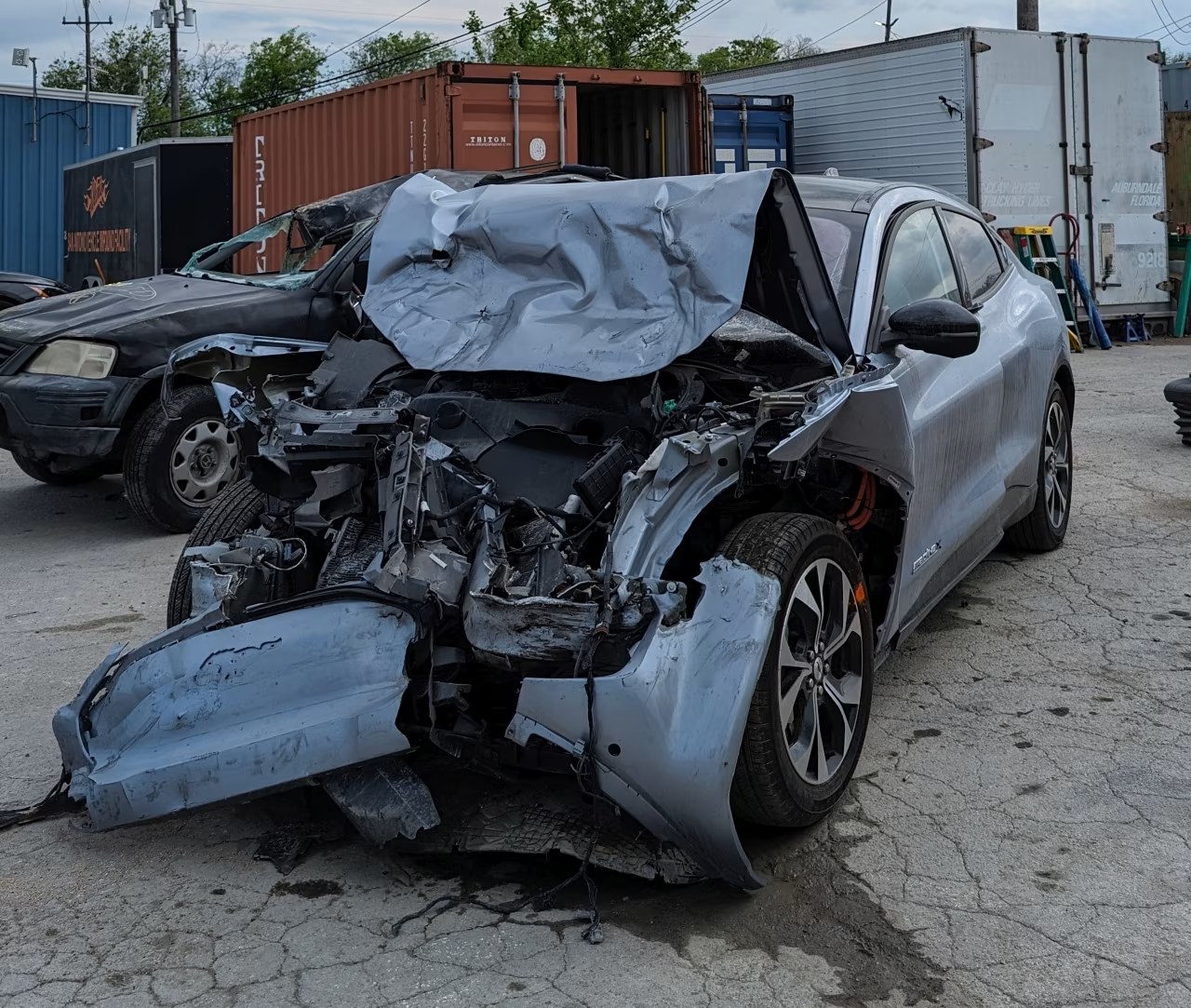
NTSB Investigates 2 Fatal Crashes Linked to Ford BlueCruise Overreliance
- Three people died in two separate accidents in Texas and Pennsylvania.
- Federal investigators found drivers failed to monitor the road while using Ford’s hands-free system.
- The NTSB cited overreliance on the technology and its inherent limitations as contributing factors.
- A unanimous 4-0 vote approved the report’s findings, emphasizing driver inattention.
Investigating the Intersection of Automation and Human Error
FORD—Two fatal crashes, resulting in the deaths of three individuals, have drawn the scrutiny of federal investigators who point a significant finger at the advanced driver-assistance technology employed by Ford. The National Transportation Safety Board (NTSB) announced on Tuesday that the overreliance on Ford’s hands-free driving system, known as BlueCruise, coupled with the technology’s limitations, played a critical role in the accidents that occurred in Texas and Pennsylvania.
The NTSB’s findings, approved by a 4-0 vote, underscore a critical concern in the rapidly evolving landscape of vehicle automation: the potential for drivers to cede too much control and attention to systems that are not yet fully autonomous. While BlueCruise is designed to allow drivers to remove their hands from the wheel on specific, pre-mapped highways, the investigation revealed that the drivers involved were not maintaining the required vigilance, leading to tragic outcomes.
This investigation into Ford’s BlueCruise technology highlights a broader challenge facing the automotive industry and regulatory bodies alike. As vehicles become more capable of handling driving tasks, ensuring that human drivers remain engaged and understand the boundaries of these systems is paramount. The NTSB’s report serves as a stark reminder of the delicate balance required between leveraging advanced technology and upholding fundamental safety principles on our roadways.
The BlueCruise System: Promise and Peril
Understanding Ford’s Hands-Free Technology
Ford’s BlueCruise system represents a significant advancement in automotive technology, offering drivers the unprecedented ability to operate their vehicles hands-free on designated stretches of highway. Introduced as a premium feature on select Ford and Lincoln models, BlueCruise utilizes a sophisticated array of sensors, cameras, and GPS mapping to enable automated driving capabilities. The system is designed to detect where hands-free driving is permitted and to monitor driver attentiveness through an in-cab camera system. This advanced driver-assistance system (ADAS) aims to reduce driver fatigue and enhance the driving experience on long journeys by taking over steering, acceleration, and braking functions.
NTSB Identifies Critical Gaps in Driver Attention
However, the NTSB’s recent investigation into two fatal crashes, one in Texas and another in Pennsylvania, has cast a shadow over the system’s safety. Investigators determined that in both incidents, the drivers involved had become inattentive to the road while relying on BlueCruise. This failure to maintain situational awareness is a recurring theme in accidents involving automated driving features. The NTSB’s report, released Tuesday, explicitly states that drivers neglected their responsibility to monitor the road, even though the system was engaged. This points to a potential disconnect between the system’s capabilities and the driver’s understanding of their ongoing role in the driving process.
System Limitations and the Human Factor
The NTSB’s findings suggest that the limitations of BlueCruise, particularly in complex or unexpected driving scenarios, may have been compounded by driver complacency. While the system is designed to alert drivers when they need to retake control, the investigation implies these alerts were insufficient or ignored in the critical moments leading up to the crashes. This highlights a fundamental challenge with ADAS: systems that automate some driving tasks can inadvertently encourage drivers to disengage mentally, assuming the technology will handle all eventualities. Dr. David L. Kelly, a former safety investigator with the NTSB, has previously noted that the perceived infallibility of automated systems can lead to a dangerous decrease in human oversight. The NTSB’s vote on Tuesday solidifies the conclusion that driver inattention, exacerbated by an overreliance on BlueCruise, was a direct contributor to the fatalities, resulting in three deaths across the two incidents.
The investigation’s focus on both system limitations and driver behavior underscores the need for continuous refinement in how such technologies are designed, marketed, and how drivers are educated about their responsibilities. The NTSB’s detailed report will likely inform future safety recommendations for Ford and the broader automotive industry grappling with the complexities of hands-free driving.
Fatal Accidents: A Timeline of Investigation and Findings
The Incidents Under Scrutiny
The National Transportation Safety Board’s investigation centered on two tragic events that occurred in recent times, claiming the lives of three individuals. The first incident took place in Texas, and the second in Pennsylvania. Both crashes involved drivers who were utilizing Ford’s BlueCruise hands-free driving system at the time of the accidents. The severity of the crashes prompted a thorough examination by the NTSB, a federal agency tasked with investigating transportation accidents to determine probable causes and recommend safety improvements.
NTSB’s Investigative Process and Verdict
On Tuesday, the NTSB convened to vote on the findings of its investigation into these specific incidents. In a unanimous decision, board members voted 4-0 to accept the investigators’ report. The core conclusion of this report is that driver inattention was a primary factor. Specifically, the drivers involved failed to maintain adequate attention to the road while their vehicles were operating under the BlueCruise system. This indicates a critical lapse in the human element of driving, even when advanced technology is engaged. The report meticulously details how the drivers’ trust in the automated system may have led to a dangerous decrease in their active monitoring of the driving environment.
Key Factors Identified: Overreliance and System Boundaries
The NTSB’s investigation delved into the interplay between the capabilities of Ford’s BlueCruise and the behavior of the drivers using it. Investigators determined that an overreliance on the hands-free technology was a significant contributing factor. This suggests that drivers may have perceived BlueCruise as more capable than it is, or that the system’s design did not adequately counteract the human tendency to become complacent when tasks are automated. The report highlights the specific limitations of BlueCruise, noting that it is designed for use only on certain mapped highways and still requires the driver to remain attentive and ready to intervene. The failure to do so in these instances, as concluded by the NTSB, directly led to the catastrophic outcomes, resulting in the three fatalities.
The NTSB’s meticulous investigative process, culminating in a clear and unanimous verdict, aims to prevent similar tragedies. By pinpointing the probable cause as driver overreliance on automated systems and a failure to adhere to system limitations, the board seeks to prompt action from Ford, other automakers, and the driving public to enhance safety on our roads.
Why Did Drivers Fail to Monitor the Road?
The Psychology of Automation Complacency
A critical element highlighted by the NTSB’s investigation into the fatal crashes involving Ford’s BlueCruise is the phenomenon of automation complacency. This psychological effect, extensively studied by researchers like Professor Raja Parasuraman, occurs when individuals place excessive trust in automated systems, leading to a reduction in their own vigilance and a diminished capacity to detect errors or system failures. In the context of advanced driver-assistance systems (ADAS) such as BlueCruise, drivers may become mentally disengaged, viewing the technology as a substitute for active driving rather than an aid that still requires their supervision. The NTSB’s report specifically notes that the drivers failed to keep their attention on the road, a direct consequence of this over-reliance.
Ford’s BlueCruise: Understanding its Capabilities and Restrictions
Ford’s BlueCruise system is categorized as a Level 2 automated driving system, meaning it requires constant human supervision. It allows for hands-free driving on over 130,000 miles of pre-mapped highways in North America. The system employs a driver-facing camera to ensure the driver is looking at the road and has their hands on the wheel when the system requires it. However, the NTSB’s investigation determined that the drivers involved in the fatal accidents were not maintaining the necessary level of attention, despite the system’s monitoring capabilities. This suggests that the system’s alerts may not have been sufficient to re-engage the drivers, or that the drivers had become desensitized to them. According to data presented by the National Highway Traffic Safety Administration (NHTSA), driver inattention is a factor in a significant percentage of traffic fatalities each year.
Expert Insights on Driver Monitoring and System Design
Safety experts, including former NTSB board members, emphasize that while ADAS technologies like BlueCruise can enhance safety, they are not a panacea. Dr. Melissa Cooper, a human factors specialist, notes that the design of these systems must carefully consider the human element, ensuring that alerts are timely, effective, and difficult to ignore. The NTSB’s findings in these two cases, which resulted in three fatalities, underscore the imperative for automakers to refine driver monitoring systems and for drivers to be rigorously educated on the limitations of hands-free technology. The board’s unanimous vote on Tuesday confirmed that the failures were rooted in both the technology’s environment of use and the user’s response to it, leading to a critical lapse in safety.
The NTSB’s conclusion that drivers failed to keep their attention on the road while using BlueCruise is a pivotal moment, potentially influencing the future development and regulation of driver-assistance technologies across the industry.
What Happens Next for Ford and Driver Assistance?
NTSB Recommendations and Ford’s Response
Following the NTSB’s unanimous 4-0 vote on Tuesday to accept the report detailing driver overreliance on BlueCruise in two fatal crashes, the agency is expected to issue a series of safety recommendations. These recommendations will likely target not only Ford but also the broader automotive industry and potentially regulatory bodies. Historically, NTSB recommendations have led to significant safety improvements in transportation, such as the implementation of electronic data recorders (black boxes) in aircraft and enhanced crashworthiness standards for vehicles. Ford, having inherited the BlueCruise technology, will be under considerable pressure to address the identified issues, which could include refining the system’s driver monitoring capabilities, enhancing driver education protocols, or even modifying the operational parameters of BlueCruise on the road.
Broader Implications for Autonomous Driving Technology
The NTSB’s findings serve as a stark reminder of the challenges inherent in advancing autonomous driving technology. While systems like BlueCruise aim to improve safety and convenience, they operate in a complex environment where human factors remain paramount. The report underscores that as automation levels increase, the risk of driver complacency and misjudgment also rises. Experts like Dr. Sanjay Sood, a professor specializing in transportation safety, have noted that the transition from human control to automated systems requires a careful calibration of expectations and capabilities. The NTSB’s investigation into the three fatalities underscores the need for robust testing, clear communication about system limitations, and effective driver engagement strategies to prevent future accidents. The industry must grapple with how to ensure drivers remain attentive and capable of intervening when necessary, even when technology is performing driving tasks.
Potential for Regulatory Changes and Industry Standards
The NTSB’s conclusions have the potential to influence regulatory frameworks and industry standards for advanced driver-assistance systems. Regulators like the National Highway Traffic Safety Administration (NHTSA) will likely scrutinize the NTSB’s findings as they consider updates to federal motor vehicle safety standards. The report’s emphasis on driver inattention and overreliance could lead to stricter requirements for driver monitoring systems and more comprehensive testing protocols for ADAS features. Furthermore, the industry may proactively develop new best practices for system design, user interface development, and driver training to mitigate risks associated with hands-free driving. This incident, involving critical safety technology and tragic outcomes, reinforces the ongoing dialogue about how to safely integrate increasingly sophisticated automation into everyday vehicles.
Ultimately, the path forward will require a collaborative effort between manufacturers, regulators, and consumers to ensure that the promise of safer, more convenient transportation through technology is realized without compromising fundamental safety principles.
Frequently Asked Questions
Q: What is Ford’s BlueCruise system?
Ford’s BlueCruise is an advanced driver-assistance system designed for hands-free operation on pre-mapped highways. It allows drivers to remove their hands from the steering wheel under specific conditions, relying on sensors and cameras to monitor the road and driver attention.
Q: What did the NTSB find in the Texas and Pennsylvania crashes?
The National Transportation Safety Board concluded that drivers in two fatal crashes failed to maintain proper attention to the road while using Ford’s BlueCruise technology. This overreliance on the system and its limitations were cited as contributing factors to the accidents.
Q: How many people died in the crashes investigated by the NTSB?
Three people lost their lives in the two separate fatal crashes investigated by the NTSB. The accidents occurred in Texas and Pennsylvania, and both involved drivers using Ford’s BlueCruise hands-free driving system.
Q: What specific issues did the NTSB identify with Ford’s BlueCruise?
The NTSB report highlighted that drivers were not adequately attending to the road while the system was engaged. This suggests a disconnect between the system’s capabilities, its monitoring features, and driver behavior, leading to dangerous situations.
