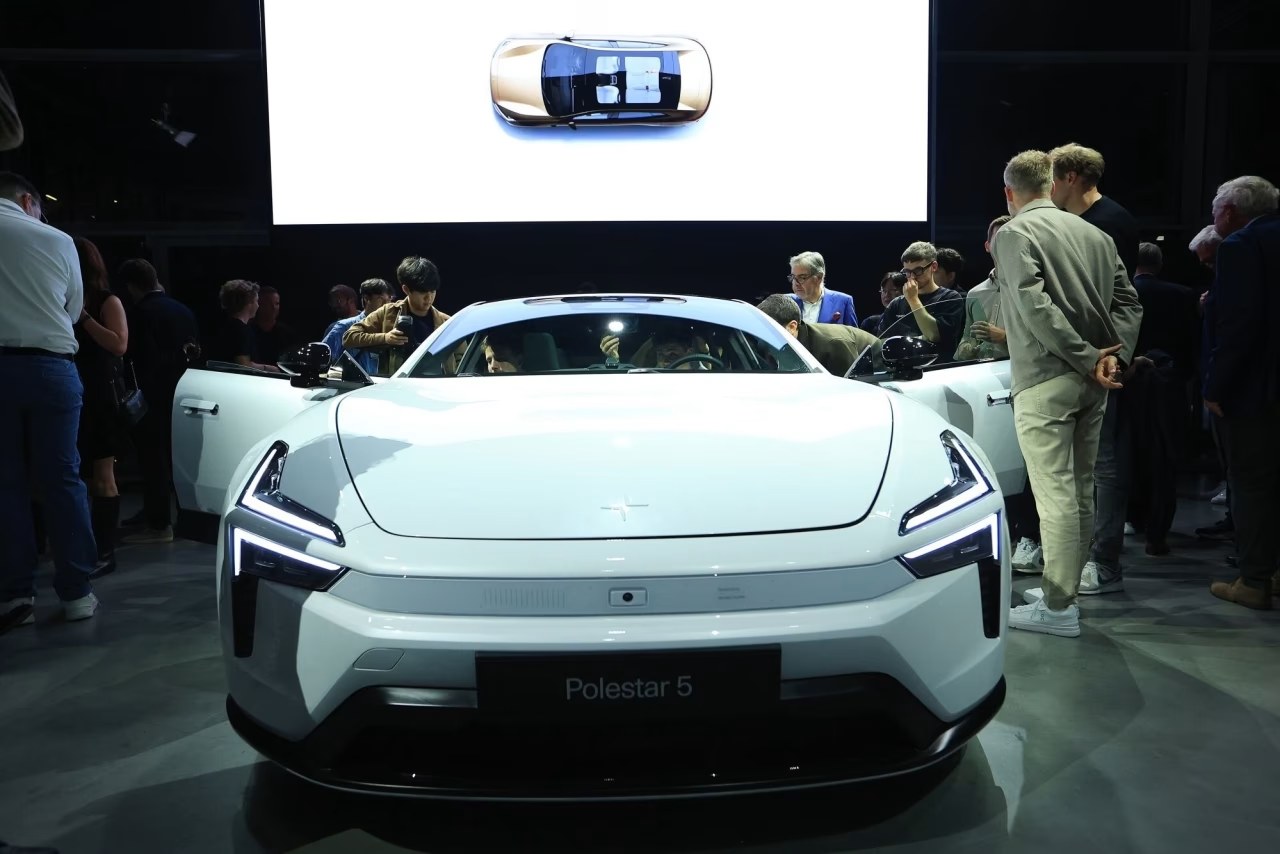
Volvo Car Converts $1.1 Billion in Loans to Equity in Polestar, Boosting Stake
- Volvo Car is increasing its ownership in Polestar by converting outstanding loans into equity.
- This strategic financial maneuver solidifies Volvo’s commitment to the electric vehicle (EV) brand.
- The companies have also finalized a U.S. manufacturing agreement.
- Polestar, founded by Volvo and its owner Geely, went public via SPAC in 2022.
A Pivotal Moment for Electric Vehicle Collaboration
VOLVO CAR—In a significant move that underscores a deepening strategic alliance, Volvo Car announced its intention to substantially increase its stake in the electric vehicle manufacturer Polestar. The Swedish automotive giant will convert a substantial portion of its loan to Polestar into equity, a financial maneuver that not only bolsters Polestar’s balance sheet but also tightens the operational and ownership ties between the two entities.
This transaction comes at a critical juncture for the EV sector, where capital investment and manufacturing scalability are paramount. By injecting equity through debt conversion, Volvo Car signals its continued confidence in Polestar’s long-term vision and its potential to capture a significant share of the growing global electric vehicle market. The decision reflects a strategic reassessment of capital allocation within the broader Geely Holding Group portfolio.
Beyond the financial restructuring, the companies have also inked a crucial U.S. manufacturing deal. This agreement will allow Polestar to leverage Volvo’s existing production infrastructure in the United States, a move poised to enhance its production capacity, streamline its supply chain, and potentially reduce manufacturing costs for vehicles destined for the North American market. This dual announcement highlights a comprehensive approach to strengthening Polestar’s market position.
Deepening Ties: Volvo Car’s Strategic Equity Infusion
Strengthening the Polestar Partnership
The decision by Volvo Car to convert a significant loan into equity for Polestar represents more than just a financial transaction; it signifies a heightened level of commitment from its parent company. As Polestar navigates the intensely competitive landscape of electric vehicle manufacturing, securing substantial backing from its foundational partners is crucial. The undisclosed value of the loan conversion suggests a material financial injection, aimed at supporting Polestar’s ongoing research and development, scaling production lines, and expanding its global market footprint.
Historically, Polestar originated from Volvo Car’s performance-oriented motorsport division before being spun off as a distinct electric vehicle brand. The official launch of Polestar as a standalone EV marque, spearheaded by Volvo Car and its owner Zhejiang Geely Holding Group, occurred prior to its Nasdaq listing via a special-purpose acquisition company (SPAC) merger in 2022. This history of co-development and strategic alignment provides a robust foundation for the current equity infusion. Experts in automotive finance, like those at Moody’s Investors Service, often highlight such inter-company financial restructuring as key indicators of long-term strategic intent, providing stability and investor confidence.
The Complexities of EV Manufacturing and Debt Conversion
The EV market is characterized by high capital expenditure requirements, from battery technology development to establishing robust charging infrastructure and manufacturing facilities. For a relatively newer EV player like Polestar, managing this financial burden is a continuous challenge. Debt-to-equity conversions, while potentially diluting existing shareholders if not managed carefully, can offer several advantages. It reduces interest expenses associated with the debt and strengthens the company’s equity base, which can improve its creditworthiness and attractiveness to future investors or lenders. However, the specific terms of the conversion are critical; understanding the exact loan amount and the equity percentage acquired by Volvo Car is essential for a full assessment of the transaction’s impact.
Dr. Lena Johansson, a senior automotive analyst at IHS Markit, commented on similar strategic maneuvers within the auto industry: “Companies are increasingly looking to optimize their capital structures to fund the EV transition. Strategic debt conversions from parent companies or key stakeholders can provide a vital lifeline, allowing EV startups to achieve critical production milestones without immediate pressure from external capital markets.” The full implications of this specific conversion will likely unfold over the next fiscal year as Polestar reports its financial performance.
This strategic financial realignment by Volvo Car is not merely about increasing ownership; it is about fortifying Polestar’s operational capacity and market trajectory. The next crucial phase will involve observing how this enhanced financial backing translates into tangible improvements in production volume, product innovation, and market penetration, particularly in the competitive North American region where manufacturing is now set to expand.
How Does the U.S. Manufacturing Deal Impact Polestar’s Growth?
Leveraging Volvo’s American Production Footprint
The agreement for Polestar to utilize Volvo Car’s U.S. manufacturing facilities marks a significant operational development. This strategic collaboration allows Polestar to tap into Volvo’s established production infrastructure, potentially accelerating its ability to meet demand in the critical North American market. Manufacturing vehicles within the U.S. can offer substantial logistical advantages, including reduced shipping times, lower transportation costs, and a more agile response to regional market fluctuations and consumer preferences. This is particularly relevant as the demand for electric vehicles continues to surge across the United States.
Volvo Car operates a state-of-the-art manufacturing plant in Ridgeville, South Carolina, which has been a key element in its North American production strategy. By opening these doors to Polestar, Volvo Car is effectively enabling its affiliate brand to bypass the significant capital investment and time required to build its own U.S. factory. This shared manufacturing model is a common strategy among automotive groups looking to optimize asset utilization and achieve economies of scale, as observed by industry consultants like McKinsey & Company in their reports on automotive supply chain efficiencies. The specific Volvo models produced at the Ridgeville plant could provide a blueprint for Polestar’s integration, though the exact Polestar models slated for U.S. production have not yet been detailed.
Navigating U.S. Market Entry and Competition
The U.S. market represents one of the largest and most lucrative opportunities for electric vehicle manufacturers. However, it is also intensely competitive, with established players and ambitious startups vying for market share. For Polestar, gaining a stronger foothold requires not only compelling product offerings but also efficient and cost-effective production and distribution. The manufacturing agreement with Volvo Car is a critical step toward achieving this goal. It could potentially streamline homologation processes and simplify compliance with local regulations, further accelerating market entry.
“The ability to manufacture locally is a game-changer for EV brands targeting the U.S. market,” stated Dr. Evelyn Reed, an automotive industry economist. “It mitigates supply chain risks, potentially improves pricing competitiveness, and enhances the brand’s perception of commitment to the region. We’ve seen similar strategies employed by other global automakers seeking to establish a strong North American presence.” This move positions Polestar to better compete with rivals who already possess significant domestic manufacturing capabilities.
The long-term success of this U.S. manufacturing collaboration will depend on several factors, including the ramp-up speed, production quality, and cost efficiencies achieved. Nevertheless, the agreement represents a clear signal of intent from both Volvo Car and Zhejiang Geely Holding Group to prioritize Polestar’s expansion within one of the world’s most important automotive markets, paving the way for potentially greater market share and brand recognition in the coming years.
Polestar’s Journey: From Volvo Performance Unit to Standalone EV
Genesis of a Performance EV Brand
The evolution of Polestar from a performance tuning division of Volvo Car into a dedicated electric vehicle (EV) brand is a narrative of strategic foresight within the automotive industry. Initially, Polestar was the performance arm of Volvo, enhancing existing models with sportier dynamics and aesthetics. However, as the global automotive landscape shifted dramatically towards electrification, Volvo Car, under the ownership of Zhejiang Geely Holding Group, recognized the immense potential for a standalone, premium electric performance brand. This strategic pivot was officially announced in 2017, marking the birth of Polestar as an independent entity focused exclusively on electric mobility.
This deliberate separation allowed Polestar to pursue its own design language, technological development, and brand identity, distinct from Volvo’s core offerings. The vision was to create performance EVs that combined cutting-edge technology with Scandinavian design principles. The subsequent listing on Nasdaq in 2022, achieved through a merger with a special-purpose acquisition company (SPAC), was a critical step in providing Polestar with the capital and public profile necessary to compete on a global scale. This IPO was initially valued at around $20 billion, reflecting the market’s enthusiasm for the burgeoning EV sector and Polestar’s unique positioning.
The Role of Zhejiang Geely Holding Group
Zhejiang Geely Holding Group, the Chinese automotive conglomerate that acquired Volvo Car in 2010, has played an instrumental role in fostering the growth of both Volvo and Polestar. Geely’s strategic investment and operational support have enabled Volvo Car to undergo a remarkable transformation, and this backing has been equally crucial for Polestar’s independent development. Geely’s diverse portfolio, which includes brands like Lotus, Lynk & Co, and Zeekr, allows for potential synergies in technology sharing, manufacturing, and supply chain management across its various EV ventures. This expansive network provides a competitive advantage that many pure-play EV startups lack.
According to reports from the Center for Automotive Research, the consolidation and strategic alignment of brands under large automotive groups like Geely are becoming increasingly common as companies seek to accelerate their transition to electric and autonomous vehicles. The dual ownership structure, with Volvo Car serving as a primary stakeholder and facilitator for Polestar, alongside the overarching support from Geely, creates a complex yet potentially powerful ecosystem. This structure allows Polestar to benefit from the established reputation and engineering prowess of Volvo while leveraging Geely’s manufacturing scale and access to the vast Chinese market.
Challenges and Future Trajectory
Despite its strong lineage and strategic backing, Polestar faces significant headwinds common to all EV manufacturers. The company must contend with intense competition, volatile raw material costs for batteries, and the ongoing need for substantial capital investment to develop new models and expand production capacity. The recent financial maneuvers, including Volvo Car’s increased equity stake and the U.S. manufacturing deal, are designed to bolster Polestar’s resilience and accelerate its growth trajectory. The coming years will be critical in determining whether Polestar can solidify its position as a leading premium electric performance brand amidst a rapidly evolving automotive industry.
Frequently Asked Questions
Q: Why is Volvo Car increasing its stake in Polestar?
Volvo Car is increasing its ownership in Polestar by converting existing loan capital into equity. This strategic move strengthens their financial ties and indicates a continued commitment to the electric vehicle brand’s future development and market presence.
Q: What is the significance of the U.S. manufacturing deal between Volvo and Polestar?
The agreement allows Polestar to utilize Volvo’s U.S. manufacturing facilities. This collaboration is crucial for expanding Polestar’s production capabilities and presence within the North American market, potentially reducing manufacturing costs and lead times.
Q: How did Polestar become a standalone EV company?
Polestar was initially established as a performance brand by Volvo Car. In 2021, Volvo Car and its parent company, Zhejiang Geely Holding Group, launched Polestar as a distinct, standalone electric vehicle brand, eventually leading to its public listing.
📰 Related Articles
- DoorDash Fuels Autonomous Delivery Ambitions With $200 Million Investment in EV Startup Also
- Beyond Meat Struggles With Declining Sales and Growing Accounting Concerns
- RH Faces Revenue Slump as Tariffs and Weather Hit Fourth Quarter Results
- Hershey Eyes Snack Expansion Beyond Chocolate with Better-for-You Push
