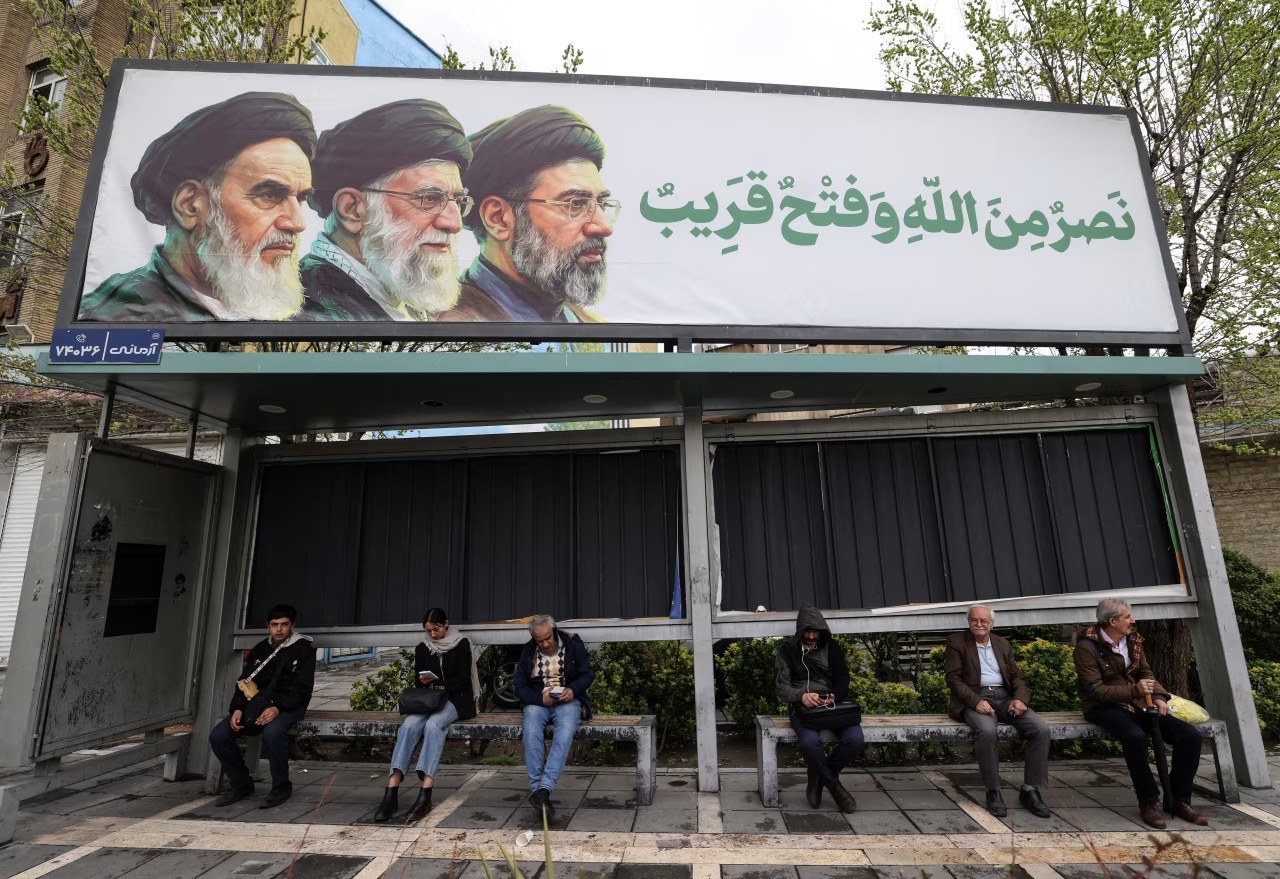
Iran’s Military Infrastructure Crippled in Month of U.S.-Led Operations
- U.S. operations have decimated Iran’s naval power and air defenses.
- A substantial portion of Iran’s ballistic missile arsenal is destroyed or damaged.
- Iran’s nuclear program infrastructure has been reduced to rubble.
- Israeli strikes have disrupted the regime’s internal security apparatus.
A month of targeted strikes has fundamentally reshaped Iran’s military posture.
IRAN—Despite narratives focusing on perceived American operational shortcomings, a comprehensive review of recent actions reveals a starkly different reality for Iran’s military capabilities. Over the past month, a series of strategic strikes, primarily led by the United States, have systematically dismantled key components of the Islamic Republic’s armed forces. The operational tempo and success rate of these interventions suggest a well-executed campaign aimed at degrading Iran’s ability to project power and wage war effectively.
The toll on Iran’s naval assets has been particularly severe. Reports indicate that the U.S. has not only destroyed a significant portion of the Iranian navy but has also rendered its remaining fleet largely ineffectual. This crippling blow to naval power significantly curtails Iran’s maritime influence and its capacity for regional naval operations. Concurrently, the country’s air defense network has been effectively neutralized, leaving its airspace vulnerable and its ground forces exposed.
Beyond naval and air power, the campaign has also targeted Iran’s offensive missile capabilities. A substantial part of its ballistic missile inventory has been destroyed, damaged, or depleted through use. Furthermore, Iran’s capacity to replenish or produce new missiles appears to be nearing its end, a critical development that severely limits its strategic deterrent and offensive options moving forward. The combination of these factors paints a picture of a military force significantly weakened in a remarkably short period.
Decimation of Iran’s Naval and Air Defense Capabilities
Naval Power Reduced to Irrelevance
The operational effectiveness of Iran’s navy has been fundamentally undermined in the past month. U.S. military actions have led to the destruction of a substantial majority of its naval vessels, a devastating blow to a nation that relies on maritime access and projection. What remains of the Iranian fleet has been neutered, rendering it incapable of meaningful military operations. This systematic dismantling of naval power is not merely a reduction in numbers but a strategic incapacitation, as highlighted by assessments from defense analysts at the RAND Corporation, who noted in a 2023 report that a focused campaign against a nation’s naval assets can severely restrict its ability to control sea lanes and project force.
The impact extends to Iran’s capacity to maintain its presence in critical waterways. For a regime that has historically leveraged its naval forces for regional influence and to secure shipping routes, this loss is profound. It curtails the ability to conduct patrols, project power projection, and respond to threats in the Persian Gulf and beyond. The near-complete eradication of its operational naval capacity suggests a strategic objective achieved with significant success.
Air Defenses Collapsed Under Fire
Complementing the assault on naval power, Iran’s air defense systems have also been rendered non-operational. The sophisticated network designed to protect Iranian airspace, including critical military installations and population centers, has been dismantled. This collapse of air defenses, a critical component of any modern military’s survivability, leaves Iran’s strategic assets and infrastructure highly vulnerable to aerial attack. Experts from the Center for Strategic and International Studies (CSIS) have consistently emphasized the paramount importance of robust air defense networks in deterring aggression and protecting national sovereignty; their systematic destruction signals a profound strategic vulnerability.
The absence of effective air defenses means that Iran can no longer credibly deter or defend against aerial incursions, whether from state or non-state actors. This vulnerability extends to all facets of its military operations, from ground troop movements to the protection of critical command and control nodes. The implications for regional stability are significant, as a nation lacking air superiority becomes a more facile target for adversaries seeking to degrade its military capacity without fear of aerial retaliation.
The deliberate targeting and destruction of these vital military components represent a strategic victory with far-reaching consequences. It demonstrates a capacity for precise and effective kinetic operations that have reshaped Iran’s military landscape in a compressed timeframe. As noted by military strategists, the degradation of both naval and air defense capabilities is a prerequisite for any broader offensive operations, suggesting a deliberate multi-pronged approach to weakening Iran’s overall defense posture and strategic options.
Iran’s Ballistic Missile Arsenal and Nuclear Program in Ruins
Ballistic Missiles Stripped of Capacity
The offensive reach of the Iranian regime has been severely curtailed through direct action against its ballistic missile arsenal. A significant portion of these weapons systems, a cornerstone of Iran’s strategic deterrence and offensive capabilities, have been either destroyed, damaged beyond repair, or rendered unusable through targeted strikes. This operation, meticulously planned and executed, has not only depleted the current inventory but has also crippled Iran’s ability to produce replacements. For instance, intelligence reports, as analyzed by defense think tanks like the Foundation for Defense of Democracies (FDD), frequently highlight the importance of missile production facilities in maintaining a nation’s military parity, suggesting that their disruption is a primary objective in limiting belligerence.
The implications of this action are substantial. Ballistic missiles are crucial for projecting power over long distances and can deliver a variety of payloads. Their reduction in numbers and manufacturing capacity diminishes Iran’s ability to threaten regional adversaries or international shipping lanes. The depletion of this arsenal represents a tangible reduction in Iran’s ability to escalate conflicts or project its military might, forcing a strategic reassessment of its defense posture.
Nuclear Ambitions Reduced to Rubble
Perhaps the most significant blow to the Islamic Republic’s strategic ambitions is the state of its nuclear program. What was once central to the regime’s identity and regional power aspirations now lies largely in ruins. Key facilities and infrastructure associated with Iran’s nuclear development have been systematically targeted and destroyed. This action has effectively halted the program’s progress, reversing years of development and investment. The comprehensive destruction of nuclear infrastructure is a drastic measure, signifying an intent to permanently disable any pursuit of nuclear weapons by Iran, as has been a long-standing concern for global powers and outlined in reports by the International Atomic Energy Agency (IAEA).
The physical destruction of these facilities sends an unmistakable message about the international community’s resolve to prevent nuclear proliferation. It not only eliminates immediate threats but also creates significant obstacles for any future attempts to restart such a program, requiring immense resources and time to rebuild. This action has irrevocably altered the trajectory of Iran’s nuclear ambitions, pushing them from a present concern to a distant, if not impossible, prospect in the foreseeable future. The regime’s pursuit of nuclear capability has been fundamentally set back.
The combined assault on both ballistic missile and nuclear programs indicates a strategic intent to neutralize Iran’s most destabilizing weapons capabilities. As noted by former U.S. officials familiar with strategic deterrence, degrading a nation’s WMD programs is a top priority for national security. The successful implementation of these strikes has fundamentally reshaped the strategic balance in the Middle East.
How Israeli Strikes Have Crippled Internal Repression
Disruption of Internal Security Apparatus
Beyond the direct military engagements, Israeli strikes have played a crucial role in degrading the Islamic Republic’s internal security apparatus. These operations have specifically targeted elements responsible for repression, striking at the regime’s ability to control its own population and silence dissent. Such actions have significant implications for the regime’s stability, as internal security forces are critical for maintaining power, as documented by human rights organizations like Amnesty International, which extensively report on the role of state security forces in suppressing political opposition. The disruption of these capabilities weakens the regime’s hold internally.
The impact of these targeted Israeli operations is multifaceted. It likely includes the neutralization of key commanders within the intelligence and security services, the destruction of critical communication and surveillance infrastructure, and the disruption of logistical support for internal security units. This creates a climate of uncertainty and disarray within the regime’s repressive machinery, potentially emboldening domestic opposition movements and making the population less susceptible to state intimidation tactics.
Weakening of Proxy Command and Control
The collateral effect of these internal security strikes, particularly on the leadership of the Islamic Revolutionary Guard Corps (IRGC), has been a noticeable quieting or disarray among Iran’s proxy forces and terrorist affiliates. These groups, which have historically relied on IRGC commanders for strategic direction, funding, and training, appear to be suffering from a lack of clear command and control. This suggests that the elimination or incapacitation of key IRGC figures has had a direct and detrimental impact on the operational capacity of groups like Hezbollah, Hamas, and various militias operating in Syria and Iraq.
The diminishing operational capacity of these proxies reduces Iran’s ability to project power indirectly and destabilize regional adversaries. It limits their ability to launch attacks, coordinate complex operations, or receive vital support, thereby diminishing Iran’s influence through its network of non-state actors. As highlighted by geopolitical analysts at the Council on Foreign Relations, the disruption of IRGC command structures is a key factor in limiting Iran’s regional proxy warfare. This weakening of its external arms directly impacts its strategic reach and its ability to threaten international security.
The synergy between U.S.-led strikes against Iran’s military infrastructure and Israeli operations targeting its internal repression and proxy network has created a multi-front assault on the regime’s power. This coordinated effort, extending beyond conventional warfare to strike at the heart of the regime’s control mechanisms, presents a novel and highly effective strategy for degrading Iran’s overall threat potential. The visible impact on proxy groups further underscores the effectiveness of this strategy.
The Current State of Iran’s Military and Future Outlook
A Radically Altered Military Landscape
The cumulative effect of a month of intense operations has left Iran’s military in a state of profound weakness. From the depths of the sea, where its navy has been decimated, to the skies, where its air defenses have collapsed, and to its missile silos, now largely empty or damaged, the conventional military apparatus has been systematically dismantled. The destruction of its nuclear program infrastructure further eliminates a key strategic aspiration. As noted by Professor Kenneth Waltz’s theories on international security, a state’s military capacity is a primary determinant of its power and influence; Iran’s capacity has been drastically diminished. This situation represents a stark departure from its previous standing as a significant regional military power.
The crippling of its offensive capabilities, particularly its ballistic missiles and its nuclear ambitions, fundamentally alters the strategic calculus for Iran and its adversaries. Its ability to threaten, coerce, or wage war on a significant scale has been severely degraded. This forces a strategic reassessment not only within Tehran but also among its neighbors and global powers who have long contended with Iran’s aggressive posture. The current state of Iran’s military is not merely a temporary setback but a fundamental restructuring of its power projection capabilities.
Forward-Looking Assessment: Limited Resurgence Potential
The path to rebuilding Iran’s military capacity, particularly its advanced missile and nuclear programs, will be arduous and lengthy. The destruction of infrastructure and the depletion of skilled personnel, coupled with potential international sanctions and ongoing surveillance, will present formidable obstacles. Even if Iran were to embark on a rebuilding effort, the time required to regain even a fraction of its former capabilities would be measured in years, if not decades. This prognosis is supported by historical analyses of military rebuilding efforts following major conflicts, which indicate the immense resource and time investment required.
Furthermore, the international community, particularly the U.S. and its allies, will likely maintain a vigilant stance, monitoring any attempts by Iran to re-establish its prohibited weapons programs. The political will and demonstrated capability to disrupt such efforts remain strong. Therefore, the current military weakness of Iran is likely to persist, presenting a window of opportunity for regional de-escalation and a recalibration of geopolitical dynamics in the Middle East. The effectiveness of recent operations in degrading Iran’s military may usher in a new era of regional security, one where Iran’s capacity for destabilization is significantly curtailed.
Frequently Asked Questions
Q: What has been the primary impact of U.S. operations on Iran’s military?
U.S. operations have significantly degraded Iran’s military capabilities. Key impacts include the destruction of much of its navy, neutralization of remaining naval assets, and the collapse of its air defenses. Furthermore, a substantial portion of its ballistic missile arsenal has been destroyed or rendered inoperable, severely limiting its offensive power.
Q: How has Iran’s nuclear program been affected by recent actions?
Iran’s nuclear program, a cornerstone of the regime’s identity, has been severely disrupted. Significant portions of its nuclear infrastructure now lie in ruins, effectively halting its progress and capabilities. This action represents a critical blow to the regime’s strategic ambitions.
Q: What is the status of Iran’s proxy forces and terrorist networks?
Iran’s proxy forces and designated terrorist networks appear to be operating with reduced capacity. Reports suggest they are either subdued or in disarray, likely due to a significant shortage of command and control from the Islamic Revolutionary Guard Corps (IRGC) leadership.
Q: What is the significance of Israeli strikes within Iran?
Israeli strikes have inflicted considerable damage on the Islamic Republic’s internal repression apparatus. These operations appear to have disrupted the regime’s ability to control its population and maintain its security infrastructure, contributing to a broader weakening of state control.
