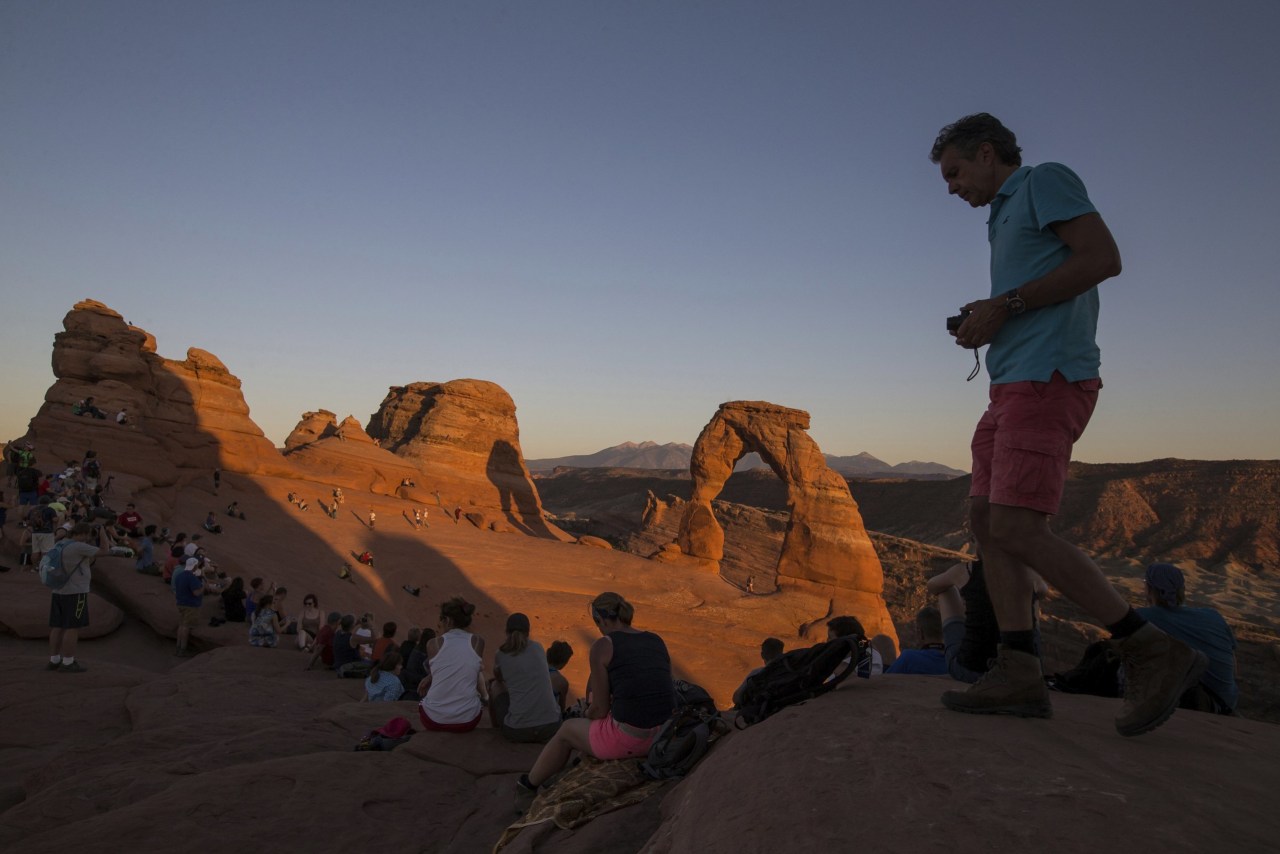
NATIONAL PARKS—In a move that is expected to delight outdoor enthusiasts, several of the most popular national parks in the United States have announced that they will not require visitors to make reservations to enter the parks this summer. This change in policy applies to Arches, Glacier, and Yosemite National Parks, which had previously implemented timed-entry systems to manage the large crowds that flock to these destinations during the peak travel season.
Discontinuation of Timed-Entry Programs at Arches National Park
Introduction to Arches National Park
Arches National Park, located in eastern Utah, is known for its stunning sandstone formations and over 2,000 natural arches. The park has been a popular destination for hikers, nature lovers, and photographers. In recent years, the park has experienced a significant increase in visitor numbers, which led to the implementation of a timed-entry program to manage the crowds.
Reasons Behind the Discontinuation
According to park officials, the decision to discontinue the timed-entry program was made after careful consideration of visitor feedback and park usage data. While the program was intended to reduce congestion and improve the overall visitor experience, it also created some challenges for visitors, including the need to plan their trips well in advance and the risk of being turned away if they arrived at the park without a reservation.
Impact on Visitors
The discontinuation of the timed-entry program is expected to have a positive impact on visitors to Arches National Park. Without the need to make reservations, visitors will have more flexibility to plan their trips and will not have to worry about being turned away at the park entrance. However, park officials are still encouraging visitors to plan their trips during less busy times of the day and to be mindful of their impact on the park’s natural and cultural resources.
Glacier National Park’s Shift Away from Reservations
Glacier National Park’s Unique Challenges
Glacier National Park, located in northern Montana, is known for its stunning mountain scenery and abundant wildlife. The park has been dealing with its own set of challenges related to visitor management, including the need to protect its sensitive alpine ecosystems and to manage the flow of traffic on its narrow roads.
Previous Reservation System
In an effort to address these challenges, Glacier National Park implemented a reservation system for visitors to access the park’s most popular areas. The system was intended to reduce congestion and prevent overcrowding, but it also created some difficulties for visitors, including the need to plan their trips well in advance and the risk of being turned away if they arrived at the park without a reservation.
New Approach to Visitor Management
With the discontinuation of the reservation system, Glacier National Park will be adopting a new approach to visitor management. Park officials will be relying on a combination of educational programs, signage, and ranger outreach to encourage visitors to practice responsible and sustainable tourism. The park will also be increasing its capacity to handle visitors during peak periods, including the hiring of additional staff and the implementation of new traffic management systems.
Yosemite National Park’s Decision to End Reservations
Yosemite National Park’s Rich History
Yosemite National Park, located in central California, is one of the most iconic national parks in the United States. The park has a rich cultural and natural history, with its stunning granite cliffs, waterfalls, and giant sequoia groves. Yosemite has been a popular destination for visitors from around the world, and its unique landscape and ecosystems have made it a challenging park to manage.
Previous Reservation System
In an effort to manage the large crowds that flock to Yosemite during the peak travel season, the park implemented a reservation system for visitors to access the park’s most popular areas. The system was intended to reduce congestion and prevent overcrowding, but it also created some difficulties for visitors, including the need to plan their trips well in advance and the risk of being turned away if they arrived at the park without a reservation.
Future Plans for Visitor Management
With the discontinuation of the reservation system, Yosemite National Park will be adopting a new approach to visitor management. Park officials will be relying on a combination of educational programs, signage, and ranger outreach to encourage visitors to practice responsible and sustainable tourism. The park will also be increasing its capacity to handle visitors during peak periods, including the hiring of additional staff and the implementation of new traffic management systems.
Implications for National Park Visitors This Summer
Increased Flexibility for Visitors
The discontinuation of the timed-entry programs at Arches, Glacier, and Yosemite National Parks is expected to have a positive impact on visitors to these destinations. Without the need to make reservations, visitors will have more flexibility to plan their trips and will not have to worry about being turned away at the park entrance.
Potential for Increased Crowding
However, the discontinuation of the timed-entry programs also raises concerns about the potential for increased crowding and congestion within the parks. Park officials are encouraging visitors to plan their trips during less busy times of the day and to be mindful of their impact on the park’s natural and cultural resources.
Opportunities for Sustainable Tourism
The discontinuation of the timed-entry programs also presents opportunities for the development of more sustainable tourism practices within the national parks. By encouraging visitors to practice responsible and sustainable tourism, park officials hope to reduce the impact of tourism on the parks’ ecosystems and to promote a more positive experience for visitors.
Conclusion and Future Outlook for National Parks
Conclusion
The discontinuation of the timed-entry programs at Arches, Glacier, and Yosemite National Parks marks an important shift in the way that these parks are managed. By adopting a more flexible and sustainable approach to visitor management, park officials hope to reduce the impact of tourism on the parks’ ecosystems and to promote a more positive experience for visitors.
Future Outlook
As the national parks continue to evolve and adapt to the changing needs of visitors, it is likely that we will see the development of new and innovative approaches to visitor management. These approaches may include the use of technology, such as mobile apps and digital signage, to provide visitors with real-time information and to encourage more sustainable tourism practices.
Importance of Responsible Tourism
As we look to the future, it is essential that visitors to the national parks practice responsible and sustainable tourism. This includes respecting the parks’ natural and cultural resources, following park rules and regulations, and being mindful of the impact of our actions on the parks’ ecosystems. By working together, we can help to ensure that the national parks remain a source of inspiration and wonder for generations to come.
