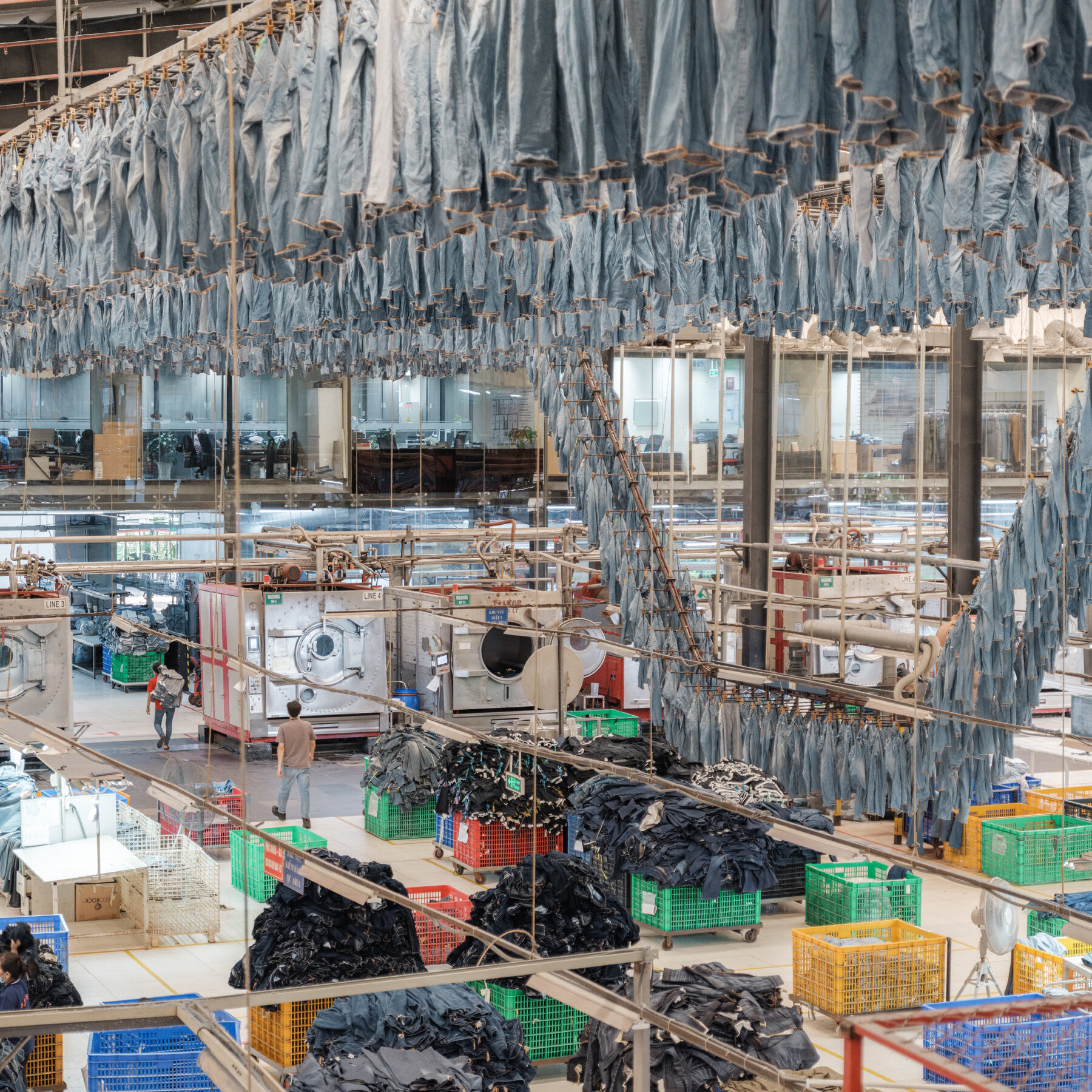
TRUMP TARIFFS—The recent Supreme Court ruling invalidating many of President Trump’s tariffs has sent shockwaves through the global business community. Despite the ruling, foreign leaders and executives remain skeptical, assuming that U.S. tariffs are here to stay in one form or another. This uncertainty has created a sense of unease, with many businesses struggling to navigate the murky waters of U.S. trade policy.
The Tariff Legacy of the Trump Administration
Introduction to Tariffs
The Trump administration’s use of tariffs as a tool of trade policy has been a hallmark of its approach to global commerce. The president’s decision to impose tariffs on a wide range of goods, from steel and aluminum to Chinese electronics, has had far-reaching consequences for businesses and consumers alike.
Impact on Global Trade
The tariffs have disrupted global supply chains, increased costs for businesses, and led to retaliatory measures from other countries. The effects have been felt across various industries, from manufacturing to agriculture, and have had a significant impact on the global economy.
Supreme Court Ruling
The recent Supreme Court ruling, which invalidated many of the president’s tariffs, has raised questions about the future of U.S. trade policy. While the ruling may provide some relief for businesses affected by the tariffs, it is unlikely to mark the end of the tariff era.
Assessing the Impact of Tariffs on Global Businesses
Tariff-Related Costs
For many businesses, the tariffs have resulted in significant costs, from increased prices for raw materials to higher logistics costs. Companies have had to adapt to the new reality, either by absorbing the costs themselves or passing them on to consumers.
Supply Chain Disruptions
The tariffs have also led to supply chain disruptions, as companies have had to find new sources for materials and components. This has resulted in delays, increased costs, and reduced efficiency.
Retaliatory Measures
In response to the U.S. tariffs, other countries have imposed retaliatory measures, further complicating the global trade landscape. This has created a sense of uncertainty, making it challenging for businesses to plan and invest for the future.
Future of U.S. Trade Policy
Possible Directions
As the global business community looks to the future, there are several possible directions that U.S. trade policy could take. The Supreme Court ruling may have invalidated some of the president’s tariffs, but it is unlikely to mark the end of the tariff era.
Renegotiation of Trade Agreements
One possible direction is the renegotiation of trade agreements, such as NAFTA and the USMCA. This could lead to a more stable and predictable trade environment, but it is unclear whether the administration will pursue this path.
Increased Use of Executive Power
Another possible direction is the increased use of executive power to impose tariffs and other trade restrictions. This could lead to further uncertainty and instability, as businesses struggle to adapt to the changing trade landscape.
Strategies for Businesses to Navigate the Murky Waters
Diversification and Risk Management
To navigate the murky waters of U.S. trade policy, businesses will need to adopt strategies that minimize risk and maximize flexibility. This could involve diversifying supply chains, investing in new technologies, and developing contingency plans for different trade scenarios.
Staying Informed and Adapting Quickly
Staying informed about the latest developments in U.S. trade policy will be crucial for businesses looking to navigate the changing landscape. This will involve monitoring news and updates, attending industry events, and engaging with trade associations and government agencies.
Building Resilience and Agility
Finally, businesses will need to build resilience and agility to adapt to the changing trade environment. This could involve investing in employee training, developing new products and services, and exploring new markets and opportunities.
