ARTIFICIAL INTELLIGENCE—
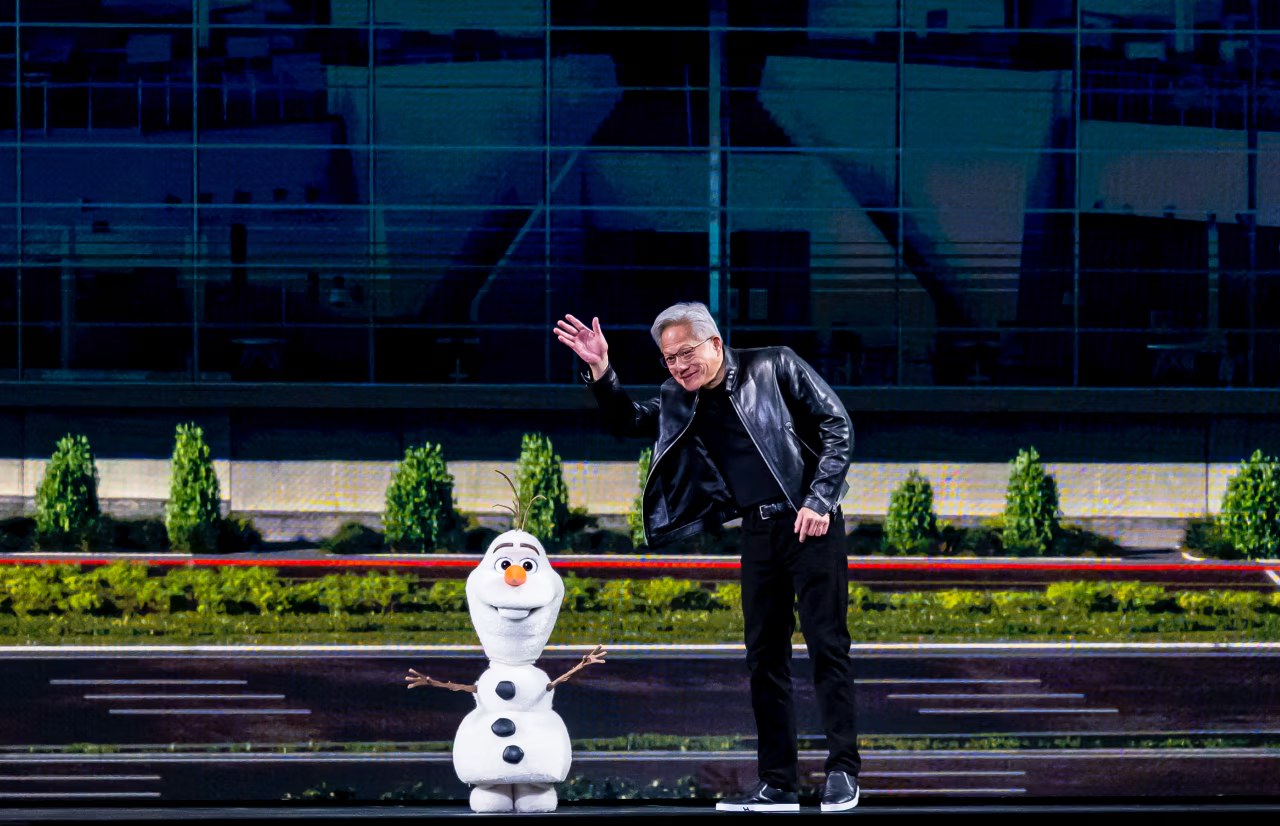
Nvidia’s CEO Jensen Huang recently showcased a robot version of Disney’s Olaf, highlighting the integration of Chinese technology in American humanoid robotics.
- The robotic Olaf uses artificial intelligence (AI) know-how from Nvidia and Google.
- The robot’s motion is powered by components from Chinese robot maker Unitree.
- This collaboration demonstrates the growing influence of Chinese technology in the development of advanced humanoid robots.
The Intersection of American Innovation and Chinese Technology
The Role of Chinese Technology in Humanoid Robotics
The development of humanoid robots in America is increasingly relying on Chinese technology. A recent example is Disney’s robotic Olaf, which uses components from Unitree, a Chinese robot maker. These components enable the robot to move its neck and legs, bringing the Disney character to life. This collaboration highlights the advancements in humanoid robotics and the role of Chinese technology in driving innovation. The use of Chinese technology in humanoid robotics is not limited to Disney’s Olaf. Many American robotics companies are turning to Chinese suppliers for components and expertise. This trend is driven by the growing capabilities of Chinese robotics companies, such as Unitree, which has developed advanced robotic limbs and motion control systems. According to a report by the International Federation of Robotics, the global robotics market is expected to reach $135 billion by 2025, with humanoid robots being a key area of growth. Chinese companies, such as Unitree and DJI, are well-positioned to capitalize on this trend, with their advanced robotics technologies and cost-effective manufacturing capabilities. The integration of Chinese technology in American humanoid robotics has significant implications for the future of work and play. As humanoid robots become more sophisticated, they are expected to have a major impact on industries such as entertainment, healthcare, and education. For example, humanoid robots could be used in theme parks and museums to create immersive experiences for visitors. However, the increasing reliance on Chinese technology in humanoid robotics also raises concerns about intellectual property and national security. As American companies rely more heavily on Chinese components and expertise, they may be vulnerable to intellectual property theft and cyber threats. To mitigate these risks, American companies must develop strategies for protecting their intellectual property and ensuring the security of their supply chains. This may involve partnering with trusted suppliers, implementing robust security protocols, and investing in research and development to stay ahead of the competition. As the demand for humanoid robots continues to grow, it is likely that we will see more collaborations between American and Chinese companies. This trend has the potential to drive innovation and advancements in humanoid robotics, but it also requires careful management of the risks and challenges involved. In conclusion, the role of Chinese technology in humanoid robotics is significant and growing. As American companies continue to rely on Chinese components and expertise, they must also be aware of the potential risks and challenges involved. By understanding these dynamics, we can better navigate the future of humanoid robotics and ensure that this technology is developed and used in a responsible and sustainable way. The partnership between American and Chinese companies in humanoid robotics is a prime example of the global nature of technological innovation. It highlights the interconnectedness of the global economy and the need for collaboration and cooperation between countries to drive progress. Moreover, the use of Chinese technology in humanoid robotics also underscores the importance of understanding the competitive landscape and the strategies of key players. American companies must be aware of the strengths and weaknesses of their Chinese counterparts and develop strategies to compete effectively. The growth of humanoid robotics is also expected to have a significant impact on the workforce. As robots become more sophisticated, they may displace certain jobs, but they may also create new opportunities for workers with the right skills. To prepare for the future, workers will need to develop skills that are complementary to automation, such as critical thinking, creativity, and problem-solving. This will require significant investments in education and training programs. Ultimately, the future of humanoid robotics will depend on the ability of companies to balance innovation with responsibility. By prioritizing transparency, accountability, and ethics, companies can ensure that this technology is developed and used in a way that benefits society as a whole.Nvidia and Google’s Contributions to Humanoid Robotics
Nvidia and Google are at the forefront of humanoid robotics, providing the artificial intelligence (AI) know-how that powers these advanced robots. Nvidia’s CEO, Jensen Huang, showcased a robot version of Olaf, demonstrating the capabilities of American innovation in this field. Google’s AI technology is also being used to enhance the robot’s interactions and movements. Nvidia’s AI technology is particularly well-suited for humanoid robotics, with its deep learning algorithms and computer vision capabilities. The company’s GPUs (graphics processing units) are widely used in robotics applications, including humanoid robots. Google’s contribution to humanoid robotics is also significant, with its AI technology being used to enhance the robot’s interactions and movements. The company’s expertise in natural language processing and computer vision is being applied to humanoid robotics, enabling robots to better understand and respond to their environment. The collaboration between Nvidia, Google, and other American tech companies is driving innovation in humanoid robotics. By combining their expertise in AI, computer vision, and robotics, these companies are creating advanced robots that can interact and engage with humans in a more natural way. The development of humanoid robots also raises concerns about job displacement and the impact on the workforce. As robots become more sophisticated, they may be able to perform tasks that were previously done by humans, potentially leading to job losses. To mitigate these risks, it is essential to develop strategies for upskilling and reskilling workers, as well as implementing policies that support workers who may be displaced by automation. This may involve investing in education and training programs, as well as promoting lifelong learning and adaptability. The future of humanoid robotics will depend on the ability of companies to balance innovation with responsibility. By prioritizing transparency, accountability, and ethics, companies can ensure that this technology is developed and used in a way that benefits society as a whole. The growth of humanoid robotics is also expected to have a significant impact on various industries, including healthcare, education, and entertainment. For example, humanoid robots could be used in hospitals to assist with patient care, or in schools to provide personalized learning experiences. In conclusion, Nvidia and Google’s contributions to humanoid robotics are significant and driving innovation in this field. However, the development of humanoid robots also requires careful consideration of the potential risks and challenges involved. The partnership between American tech companies and Chinese robotics firms is a prime example of the global nature of technological innovation. It highlights the interconnectedness of the global economy and the need for collaboration and cooperation between countries to drive progress. The use of AI and machine learning in humanoid robotics is also expected to continue to grow, enabling robots to learn from their environment and adapt to new situations. This will require significant investments in research and development, as well as the development of new technologies and innovations. Moreover, the development of humanoid robots also underscores the importance of understanding the competitive landscape and the strategies of key players. American companies must be aware of the strengths and weaknesses of their Chinese counterparts and develop strategies to compete effectively. The future of humanoid robotics will depend on the ability of companies to balance innovation with responsibility. By prioritizing transparency, accountability, and ethics, companies can ensure that this technology is developed and used in a way that benefits society as a whole.The Future of Humanoid Robotics: Trends and Implications
The integration of Chinese technology in American humanoid robotics is likely to continue, driving innovation and advancements in this field. As humanoid robots become more sophisticated, they are expected to have a significant impact on various industries, including entertainment, healthcare, and education. One trend that is expected to shape the future of humanoid robotics is the increasing use of AI and machine learning. These technologies will enable robots to learn from their environment and adapt to new situations, making them more autonomous and interactive. Another trend is the growing demand for humanoid robots in healthcare and education. Robots are being used to assist with patient care, therapy, and education, and are expected to play an increasingly important role in these fields. However, the development of humanoid robots also raises concerns about ethics and accountability. As robots become more autonomous, there is a risk that they may make decisions that are not in the best interests of humans. To mitigate these risks, it is essential to develop clear guidelines and regulations for the development and use of humanoid robots. This may involve establishing standards for AI and machine learning, as well as implementing safeguards to prevent robots from causing harm. The future of humanoid robotics will depend on the ability of companies to balance innovation with responsibility. By prioritizing transparency, accountability, and ethics, companies can ensure that this technology is developed and used in a way that benefits society as a whole. The growth of humanoid robotics is also expected to have a significant impact on the workforce. As robots become more sophisticated, they may displace certain jobs, but they may also create new opportunities for workers with the right skills. To prepare for the future, workers will need to develop skills that are complementary to automation, such as critical thinking, creativity, and problem-solving. This will require significant investments in education and training programs. Ultimately, the future of humanoid robotics will depend on the ability of companies to balance innovation with responsibility. By prioritizing transparency, accountability, and ethics, companies can ensure that this technology is developed and used in a way that benefits society as a whole. The use of humanoid robots in various industries is also expected to continue to grow, enabling companies to improve efficiency, productivity, and customer satisfaction. For example, humanoid robots could be used in retail to provide personalized customer service, or in manufacturing to improve product quality. In conclusion, the future of humanoid robotics is exciting and full of possibilities. However, it also requires careful consideration of the potential risks and challenges involved. By understanding these dynamics, we can better navigate the future of humanoid robotics and ensure that this technology is developed and used in a responsible and sustainable way. The development of humanoid robots is a prime example of the rapid progress being made in robotics and AI. It highlights the need for continued innovation and investment in these fields, as well as the importance of collaboration and cooperation between companies, governments, and academia. The future of humanoid robotics will depend on the ability of companies to address the technical, economic, and social challenges associated with this technology. By prioritizing innovation, responsibility, and sustainability, companies can ensure that humanoid robots are developed and used in a way that benefits society as a whole.Frequently Asked Questions
Q: What role does Chinese technology play in American humanoid robots?
Chinese technology, particularly from companies like Unitree, is being used in American humanoid robots to power their motion and movement. For example, Disney’s robotic Olaf uses components from Unitree to enable its neck and leg movements.
Q: How is Nvidia involved in humanoid robotics?
Nvidia, an American tech company, is involved in humanoid robotics through its artificial intelligence (AI) know-how. Nvidia’s CEO, Jensen Huang, showcased a robot version of Olaf, the snowman from ‘Frozen’, which utilizes Nvidia’s AI technology.
Q: What is Unitree’s contribution to humanoid robotics?
Unitree, a Chinese robot maker, is contributing to humanoid robotics by providing components that power the motion of robots. Unitree’s technology is being used in robots like Disney’s Olaf, enabling them to move and interact with their environment.
