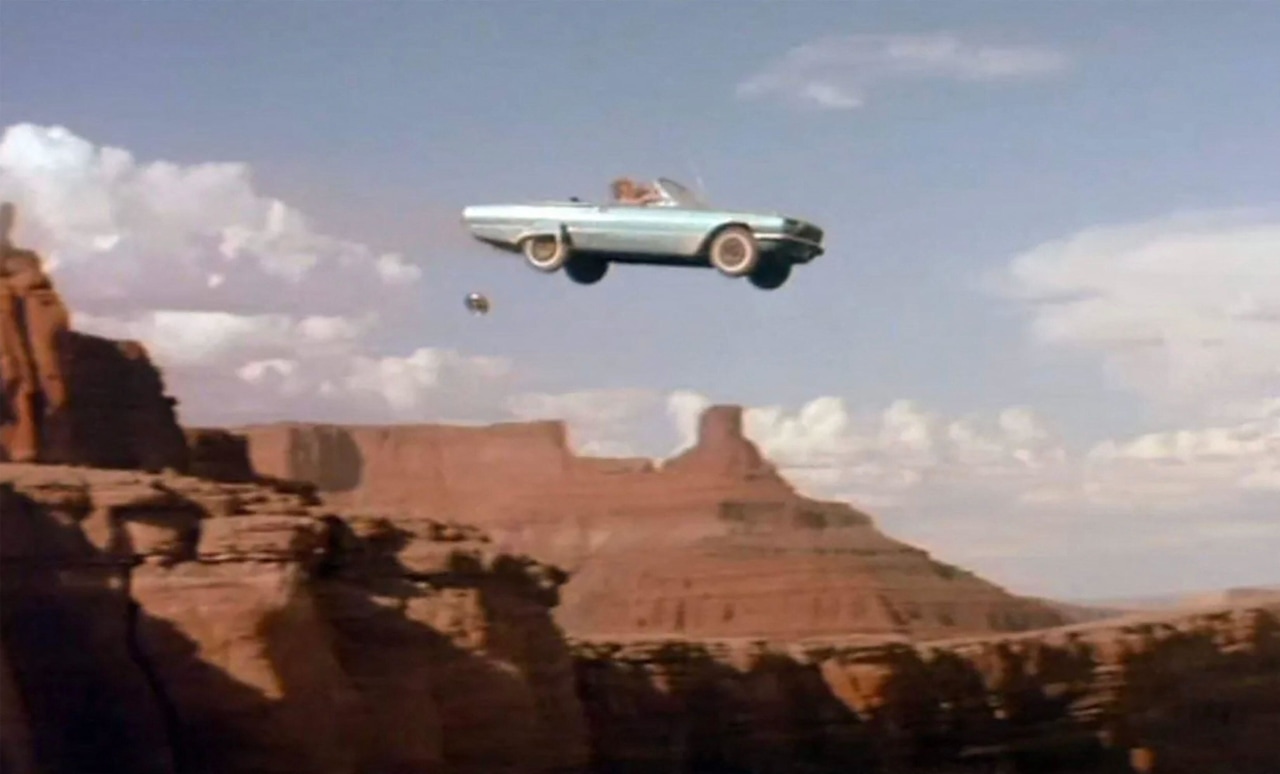
MOVIE LOCATIONS—From the sun-kissed landscapes of the American West to the charming streets of the East Coast, the United States has served as the backdrop for some of the most iconic films in cinematic history. But have you ever wondered where exactly your favorite movie scenes were filmed? Look no further. In this article, we’ll embark on a journey across America to uncover the real-life locations behind some of Hollywood’s most beloved movies.
Hollywood in the Heartland: Exploring Alabama’s Movie Magic
Introduction to Alabama’s Film Scene
Alabama, known for its rich history and diverse landscapes, has been a popular filming location for many Hollywood productions. From the historic city of Montgomery to the picturesque town of Fairhope, Alabama has played host to a wide range of films, including To Kill a Mockingbird and Big Fish.
Famous Movie Locations in Alabama
One of the most notable movie locations in Alabama is the town of Monroeville, which served as the setting for Harper Lee’s classic novel To Kill a Mockingbird. The Old Monroe County Courthouse, where the pivotal trial scene was filmed, is now a museum dedicated to the book and its author.
Another notable location is the Gulf Coast town of Fairhope, which was the backdrop for the 2003 film Big Fish, directed by Tim Burton. The town’s picturesque streets and charming architecture made it the perfect setting for the film’s whimsical and fantastical story.
Western Wonders: Discovering Wyoming’s Cinematic Landscapes
Introduction to Wyoming’s Film Scene
Wyoming, with its breathtaking natural beauty and wide open spaces, has been a popular filming location for many Westerns and outdoor adventures. From the majestic Grand Teton National Park to the historic town of Jackson, Wyoming has played host to a wide range of films, including Shane and Close Encounters of the Third Kind.
Famous Movie Locations in Wyoming
One of the most notable movie locations in Wyoming is the town of Jackson, which served as the setting for the 1953 film Shane. The town’s charming streets and surrounding mountains made it the perfect setting for the film’s classic Western story.
Another notable location is the Devils Tower National Monument, which was featured prominently in the 1977 film Close Encounters of the Third Kind. The monument’s unique and awe-inspiring landscape made it the perfect setting for the film’s iconic UFO scenes.
Beyond the Silver Screen: Uncovering America’s Hidden Movie Gems
Introduction to America’sHidden Movie Gems
From the bustling streets of New York City to the sun-drenched beaches of California, America is home to a vast array of hidden movie gems. These lesser-known locations have played host to some of the most iconic films in cinematic history, and are just waiting to be discovered by movie buffs and travelers alike.
Exploring America’s Hidden Movie Gems
One of the best ways to experience America’s hidden movie gems is to take a road trip across the country. From the scenic Route 66 to the historic Blue Ridge Parkway, there are countless routes and locations to explore. Along the way, be sure to stop at iconic movie locations, such as the Field of Dreams movie site in Iowa or the Forrest Gump bus stop in South Carolina.
Another way to experience America’s hidden movie gems is to attend a film festival or movie-themed event. From the Sundance Film Festival in Utah to the TCM Classic Film Festival in California, there are countless events and festivals to choose from. These events offer a unique opportunity to see classic films on the big screen, meet industry professionals, and connect with other movie fans.
The Magic of Movie Making: A Behind-the-Scenes Look at America’s Film Industry
Introduction to America’s Film Industry
America’s film industry is a multi-billion dollar powerhouse, with a rich history and diverse range of productions. From the early days of Hollywood to the present day, the film industry has played a significant role in shaping American culture and entertaining audiences around the world.
A Behind-the-Scenes Look at America’s Film Industry
One of the most fascinating aspects of the film industry is the process of movie making itself. From script development to post-production, the process of bringing a film to life is complex and involves a wide range of professionals, including directors, producers, actors, and crew members.
To get a behind-the-scenes look at the film industry, consider taking a studio tour or visiting a film festival. Many studios, such as Warner Bros. and Universal, offer guided tours that take visitors through the process of movie making, from soundstages to special effects. Film festivals, such as the Academy Awards and the Golden Globes, offer a glimpse into the glamour and excitement of the film industry, with red carpet events, movie premieres, and celebrity appearances.
Preserving America’s Cinematic Heritage: The Importance of Film Preservation
Introduction to Film Preservation
Film preservation is the process of protecting and conserving motion pictures for future generations. With the rise of digital technology, many classic films are at risk of being lost or degraded, making preservation more important than ever.
The Importance of Film Preservation
Preserving America’s cinematic heritage is crucial for a number of reasons. Firstly, films provide a unique window into the past, offering a glimpse into the culture, society, and values of bygone eras. Secondly, films have the power to educate and inspire, offering a unique perspective on historical events and social issues.
To get involved in film preservation, consider supporting organizations such as the Film Preservation Society or the National Film Registry. These organizations work tirelessly to protect and conserve classic films, making them available for future generations to enjoy. Additionally, many film archives and museums offer screenings and exhibitions of preserved films, providing a unique opportunity to see classic movies on the big screen.
