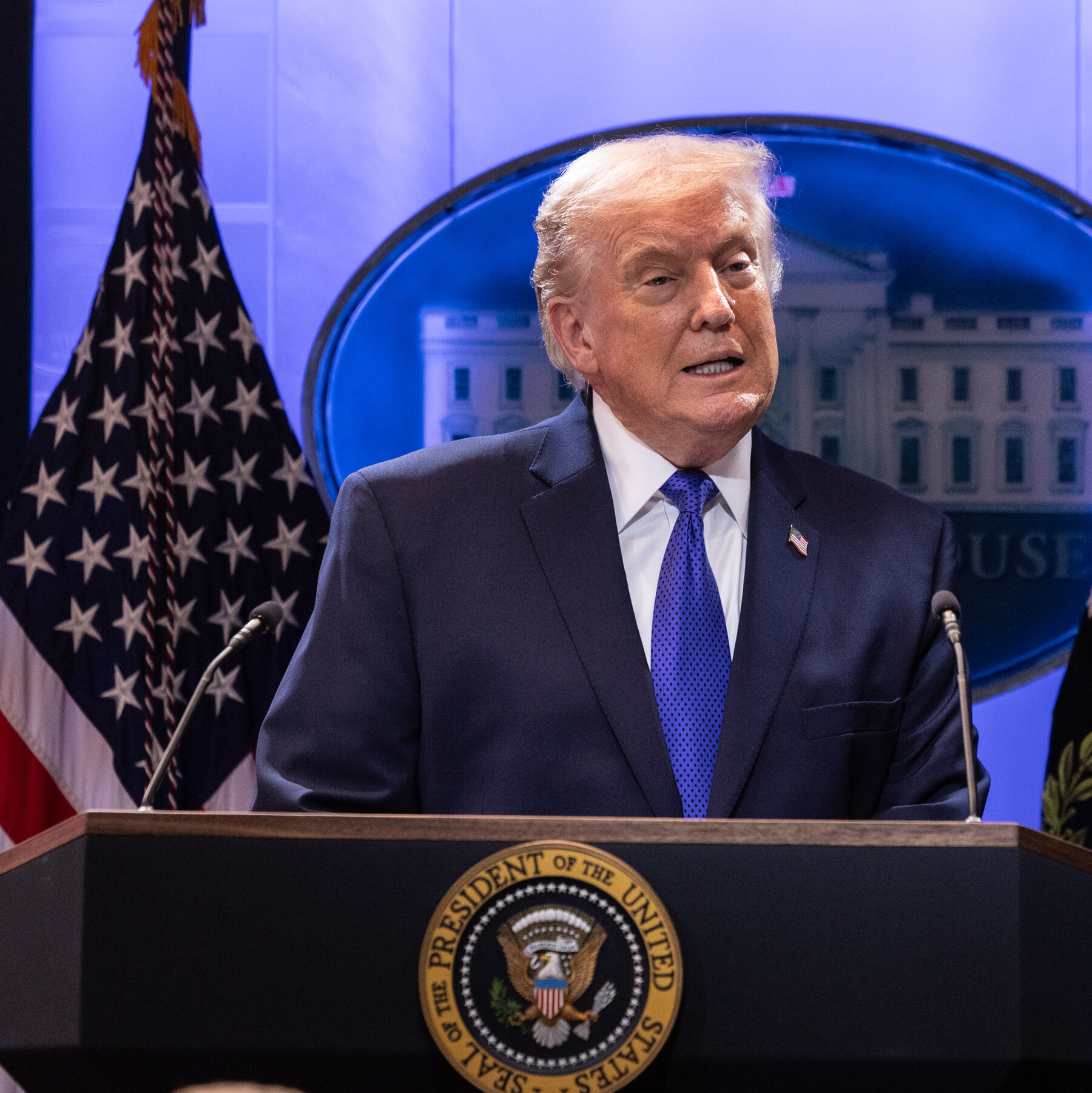
TRADE POLICY—The Trump administration is renewing its effort to close a tax loophole that has allowed cheap imports to flood the US market, a move likely to escalate tensions with trading partners and spark debate over the impact on American consumers and businesses. The decision comes after a similar attempt was invalidated by the Supreme Court last year.
The Trade Policy Trigger
Introduction to the Tax Loophole
The tax loophole in question has been a contentious issue, with proponents arguing it helps keep prices low for consumers and opponents claiming it unfairly advantages foreign companies. The Trump administration’s push to close the loophole is part of a broader strategy to protect American industries and jobs.
Legal Grounds for Closure
The legal grounds for closing the loophole are based on the same principles as the tariffs that were recently invalidated by the Supreme Court. This legal foundation is crucial as it underpins the administration’s authority to act on trade policy matters.
Market Mechanics and the Impact of Tariffs
Understanding Tariffs and Market Dynamics
Tariffs are a form of taxation on imported goods and can significantly affect market dynamics. When tariffs are imposed, the cost of imported goods increases, which can lead to higher prices for consumers or decreased demand, depending on the elasticity of demand for the goods in question.
Economic Effects of Closing the Loophole
Closing the tax loophole on cheap imports could have multifaceted economic effects. On one hand, it could lead to increased prices for certain consumer goods, potentially affecting low-income households disproportionately. On the other hand, it could also lead to increased domestic production and employment in industries that have been negatively impacted by cheap imports.
Global Trade Implications and Diplomatic Relations
International Trade Law and Diplomacy
The decision to close the tax loophole and impose tariffs on cheap imports has significant implications for global trade and diplomatic relations. Other countries may retaliate with their own tariffs, leading to a trade war that could have widespread economic consequences.
Potential for Escalation and Conflict
There is a potential for escalation, with each side imposing more tariffs in response to the other, leading to a cycle of retaliation. This scenario could harm not just the US and its trading partners but also the global economy, as trade volumes decrease and uncertainty increases.
The Role of the Supreme Court in Trade Policy
Judicial Review of Trade Policy Decisions
The Supreme Court plays a crucial role in reviewing trade policy decisions, including those related to tariff imposition and the closure of tax loopholes. The Court’s decisions can significantly impact the executive branch’s ability to implement its trade policy agenda.
Implications of Recent Court Decisions
Recent decisions by the Supreme Court have implications for how the Trump administration, and future administrations, approach trade policy. They underscore the importance of legal grounds for trade actions and the potential for judicial oversight of executive decisions in this area.
Consumer and Business Perspectives on Tariff Policy
Consumer Impact of Tariff Policy
Consumers are likely to feel the impact of tariffs and the closure of the tax loophole through higher prices for certain goods. This could affect consumer behavior, potentially leading to decreased demand for affected products.
Business Response to Tariff Policy
Businesses, especially those involved in international trade, will need to adapt to the new tariff regime and potentially the closure of the tax loophole. This could involve reconfiguring supply chains, renegotiating contracts, or passing on increased costs to consumers.
