INNOVATION—
10 Revolutionary Inventions Born from Accidental Discoveries in the US
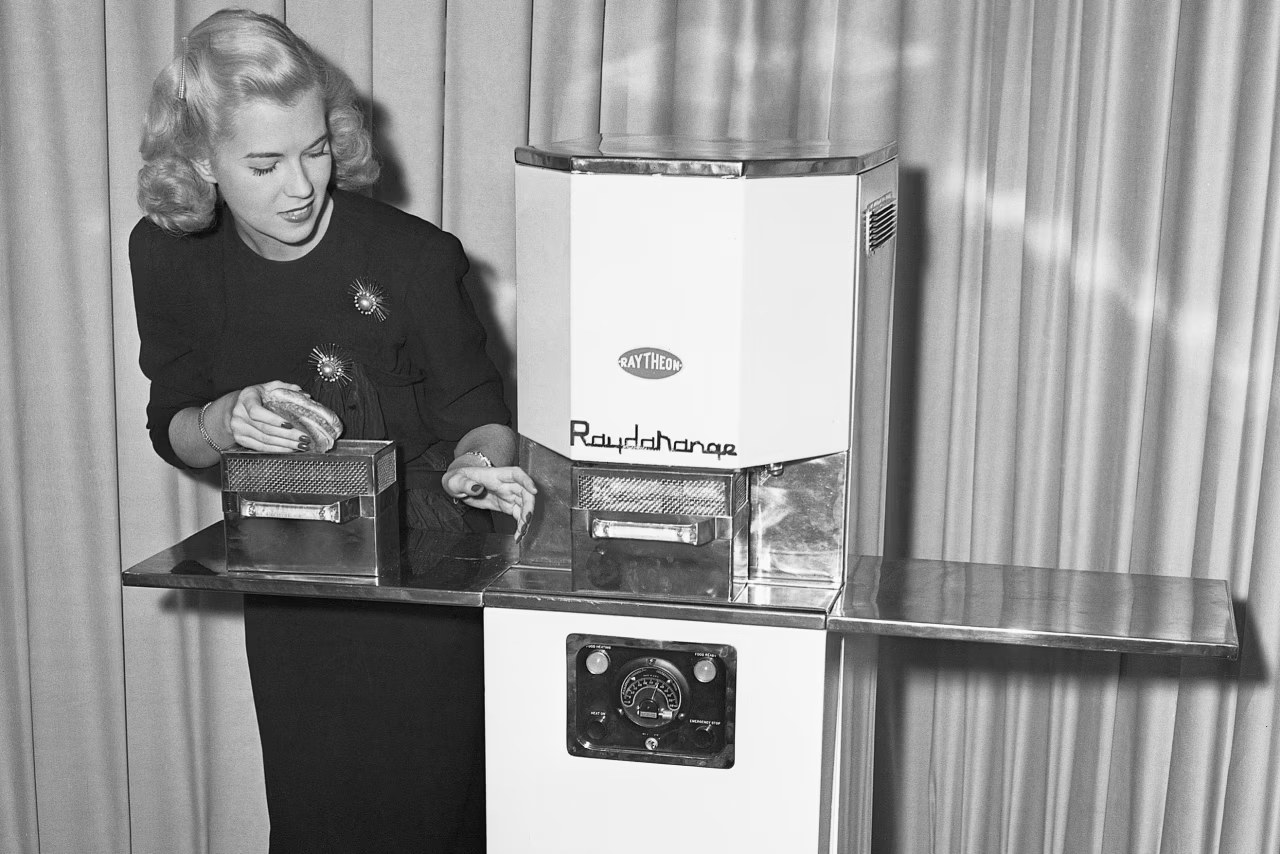
- Microwave ovens were invented when a chocolate bar melted in a physicist’s pocket.
- Post-it Notes were created when a scientist tried to develop a strong adhesive but ended up with a weak one.
- Penicillin was discovered when a mold contaminated a bacterial culture.
The Power of Serendipity in American Innovation
The Accidental Birth of the Microwave Oven
The microwave oven was invented by Percy Spencer, an American physicist and engineer. He was testing a magnetron, a device that generates microwaves, when he noticed that a chocolate bar in his pocket had melted. Curious, Spencer placed popcorn kernels near the magnetron and watched as they popped. He then tried to cook an egg, which exploded due to the rapid heating. Despite the initial failure, Spencer’s accidental discovery led to the development of the first microwave oven.Post-it Notes: A Weak Adhesive Turns into a Game-Changer
Dr. Spencer Silver, a scientist at 3M, was trying to develop a strong adhesive but ended up creating a weak, pressure-sensitive adhesive. Initially, the company didn’t know what to do with the new material. Years later, another scientist, Art Fry, used Silver’s adhesive to create the first Post-it Notes. Fry was looking for a way to mark pages in his hymnal without damaging the book. The small, removable notes became an instant success.The Discovery of Penicillin
Scottish scientist Alexander Fleming discovered penicillin when he noticed that a mold had contaminated one of his bacterial cultures. The mold, Penicillium notatum, had killed off the surrounding bacteria. Fleming’s accidental discovery revolutionized the treatment of bacterial infections and saved countless lives. His finding led to the development of penicillin as a medicine, which was later mass-produced and became widely available.The Serendipity Mindset
According to Christian Busch, a University of Southern California business-school professor, ‘People underestimate how improbable the improbable is.’ He argues that a serendipity mindset can be cultivated by being open to new experiences, embracing uncertainty, and making connections between seemingly unrelated ideas. By adopting this mindset, individuals and organizations can increase their chances of stumbling upon innovative solutions.Other Accidental Inventions
Other notable inventions born from mistakes include the discovery of Teflon, which was initially intended as a refrigerant; the creation of Velcro, which was inspired by the way burrs stick to clothing; and the development of X-ray technology, which was discovered when Wilhelm Conrad Röntgen noticed that a screen in his lab was glowing even though it was not exposed to any light.The Future of Accidental Innovation
As technology continues to advance and the world becomes increasingly interconnected, the potential for accidental discoveries grows. By embracing serendipity and encouraging experimentation, individuals and organizations can position themselves to make the next groundbreaking discovery. The future of innovation may depend on our ability to capitalize on the unexpected.Frequently Asked Questions
Q: What is serendipity in the context of innovation?
Serendipity refers to the phenomenon of discovering something valuable or delightful when you least expect it. In innovation, it often involves making unexpected connections or finding new uses for existing ideas.
Q: How does the United States foster a culture of serendipity?
The United States has a long history of embracing experimentation and risk-taking, which can lead to unexpected breakthroughs. The country’s diverse population and open market also create an environment conducive to serendipity.
Q: Can you name some famous inventions that were discovered by mistake?
Yes, examples include the microwave oven, Post-it Notes, and penicillin. These inventions were all discovered accidentally, but have had a significant impact on our daily lives.
