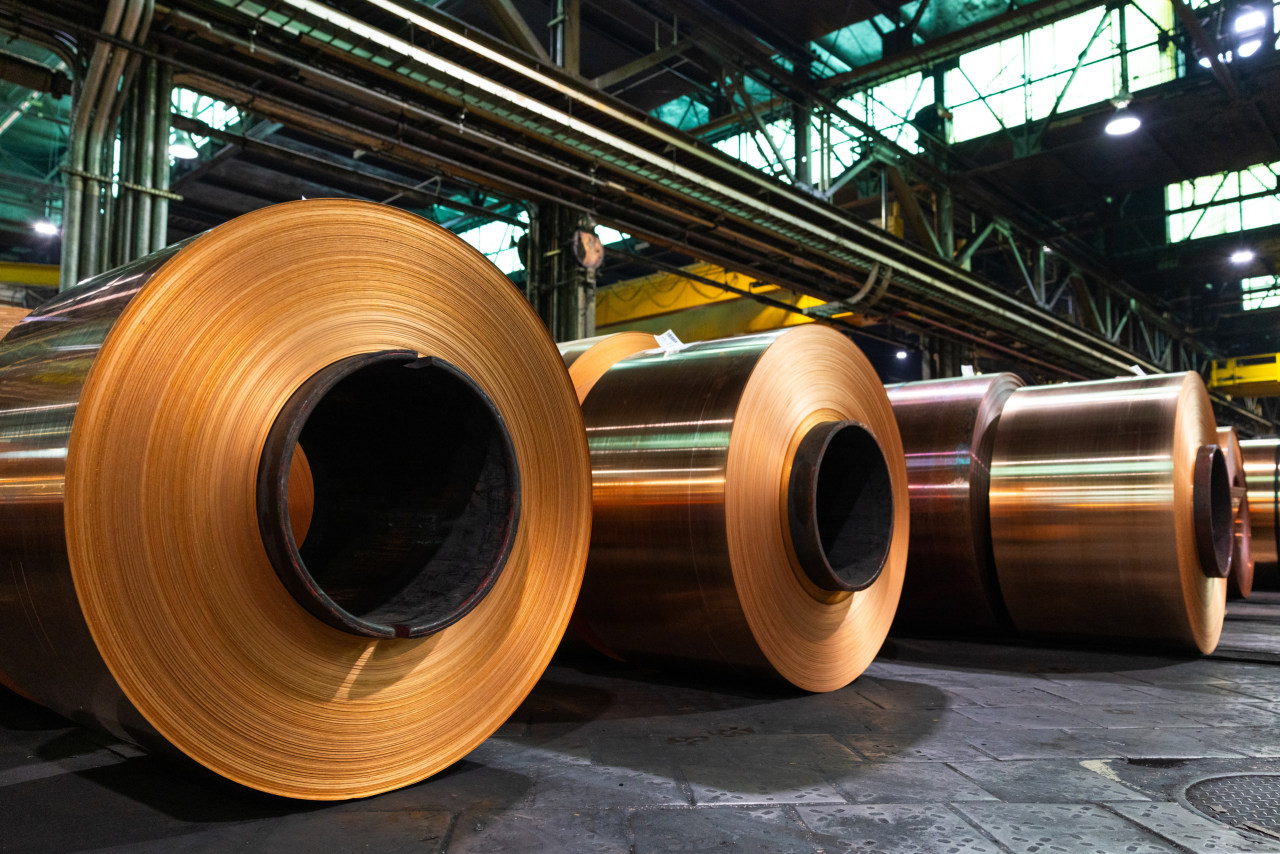
TRADE BARRIERS—The world of global markets is undergoing a significant shift, with trade barriers increasingly disrupting the flow of goods and services across borders. This fragmentation of commerce has far-reaching implications, particularly for commodities like metals and oil, which are the basic building blocks of the economy. As a result, prices for these essential materials are becoming more volatile, affecting industries and economies worldwide.
The Rising Tide of Trade Barriers: Understanding the Shift
Introduction to Trade Barriers
Trade barriers, including tariffs, quotas, and subsidies, are government-imposed restrictions on international trade. These barriers can significantly impact the global economy, affecting not only the countries involved but also the worldwide supply of commodities.
Types of Trade Barriers
There are several types of trade barriers, each with its own implications for global markets. Tariffs, or taxes on imported goods, are one of the most common types of trade barriers. Quotas, which limit the quantity of goods that can be imported, are another. Additionally, subsidies, or financial assistance provided to domestic industries, can also act as a trade barrier by making it difficult for foreign competitors to enter the market.
Impact of Trade Barriers on Commodities
The increasing prevalence of trade barriers is having a profound impact on the global commodities market. With trade barriers in place, the flow of commodities like metals and oil is being disrupted, leading to increased volatility in their prices. This volatility can have far-reaching consequences, affecting industries that rely on these commodities, from manufacturing and construction to energy and transportation.
Commodities in the Crosshairs: Metals and Oil
The Importance of Metals and Oil
Metals and oil are among the most essential commodities in the global economy. Metals, such as steel, aluminum, and copper, are crucial for construction, manufacturing, and infrastructure development. Oil, meanwhile, is the primary source of energy for transportation, heating, and electricity generation. The prices of these commodities can significantly impact the cost of production and the overall health of the economy.
Price Volatility: A New Reality
The increased volatility in the prices of metals and oil is a direct result of the rising trade barriers. When trade barriers are imposed, they can limit the supply of these commodities, leading to price increases. Conversely, when trade barriers are removed, prices can drop due to the increased supply. This volatility makes it challenging for industries that rely on these commodities to predict their costs and plan for the future.
Coping with Volatility: Strategies for Businesses
Given the new reality of price volatility in the commodities market, businesses must adapt by implementing strategies to mitigate the risks. This can include diversifying their supply chains, entering into long-term contracts with suppliers, and investing in technologies that reduce their reliance on volatile commodities.
A Fragmented World: The Future of Global Markets
The End of Globalization as We Know It
The rise of trade barriers signals a shift away from the globalization that has defined the past few decades. As countries increasingly turn inward, focusing on their domestic economies and imposing barriers to international trade, the world is becoming a more fragmented place. This fragmentation has significant implications for global markets, as the free flow of goods, services, and ideas is restricted.
Regionalization: A New Paradigm
In response to the fragmentation of global markets, there is a trend towards regionalization. Countries are forming regional trade agreements and blocs, which aim to facilitate trade within regions while potentially restricting trade with other regions. This regionalization could lead to more stable and predictable trade environments within regions but may also exacerbate global imbalances and inequalities.
Navigating the New Landscape
As the world adjusts to this new landscape, businesses, policymakers, and individuals must navigate the complexities of a more fragmented and volatile global economy. This requires a deep understanding of the evolving trade landscape, the ability to adapt to changing market conditions, and a commitment to finding opportunities in a world where the rules of international trade are being rewritten.
