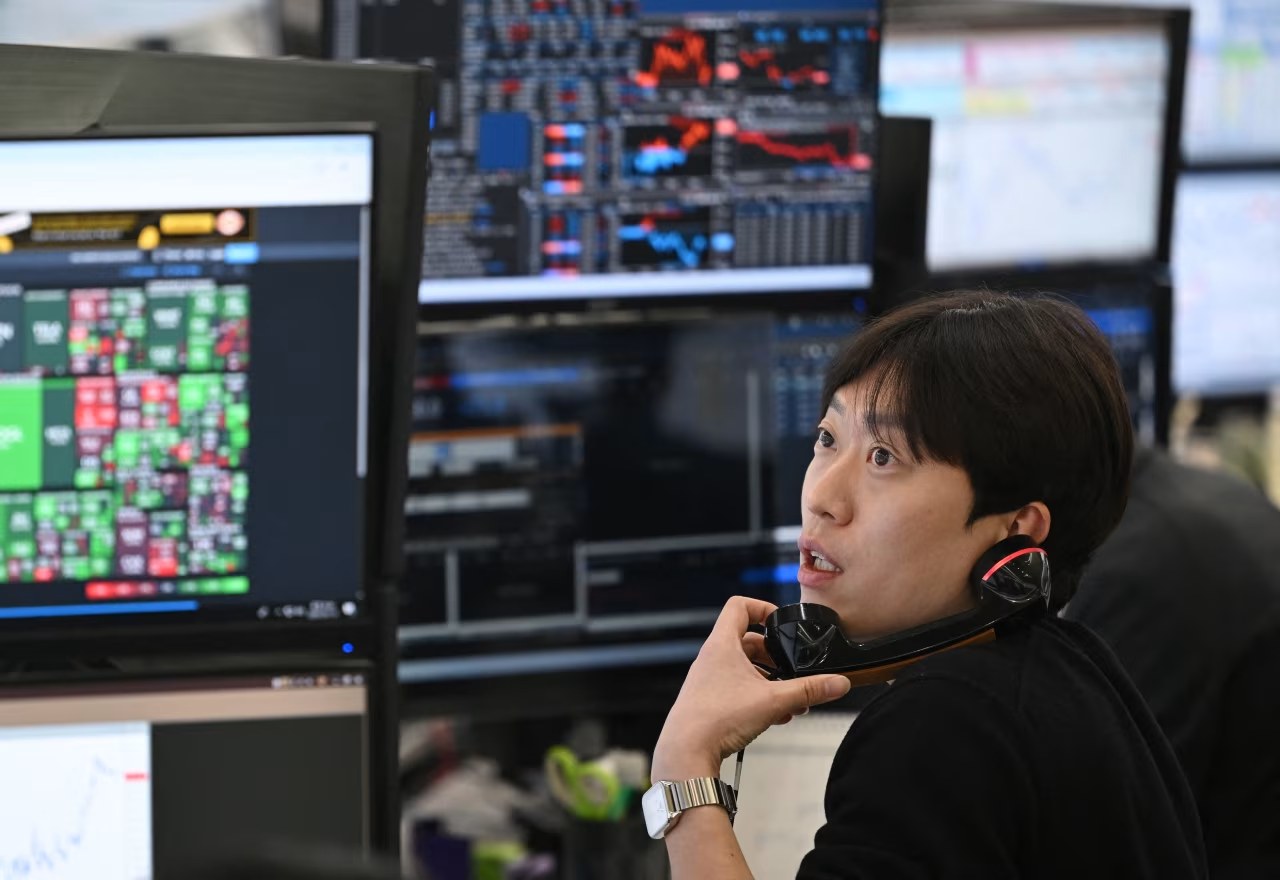
Key Global Markets See Dual Movement on Escalating Middle East Oil Supply Disruptions
- Oil prices in Asia experienced an immediate ascent on a Thursday.
- President Trump’s signal of further U.S. military strikes against Iran triggered this market shift.
- Concerns over potential Middle East oil supply disruptions were reignited by the geopolitical rhetoric.
- Asian equity markets responded with a notable decline in share values.
The Fragile Equilibrium Shattered by Geopolitical Signaling
OIL PRICES—Global financial markets, often a sensitive barometer of international stability, experienced immediate turbulence on a recent Thursday following a significant geopolitical development. President Trump’s pronouncement signaling the potential for further U.S. military strikes against Iran sent clear ripples across trading floors, particularly in Asia. The immediate, discernible consequence was a pronounced rise in oil prices across the continent, directly reflecting renewed anxieties over the stability of critical energy flows from the Middle East.
Simultaneously, this escalating rhetoric precipitated a distinct downturn in Asian equity markets. The dual movement—oil ascending, stocks declining—underscored the market’s visceral reaction to the specter of intensified conflict in a region fundamental to global energy security. This rapid recalibration of asset values serves as a stark reminder of how deeply interconnected geopolitical stability is with the health of the global economy, where a single presidential signal can immediately trigger widespread investor reevaluation and concern over Middle East oil supply disruptions.
The swiftness of this market reaction highlights not only the prevailing uncertainty but also the inherent fragility of a global economic system heavily reliant on predictable international relations and an uninterrupted flow of vital resources. Investors grappled with the implications of potential military engagement, weighing the direct impact on energy infrastructure against the broader sentiment of risk aversion that often accompanies such pronouncements.
The Volatile Alchemy of Crude: Why Oil Reacts So Sharply
The sudden ascent of oil prices in Asia on a Thursday, directly attributed to President Trump’s signal of further U.S. military strikes against Iran, underscores a fundamental principle of energy markets: they are extraordinarily sensitive to geopolitical instability. The Middle East, an undisputed epicenter of global oil production and transit, holds an outsized influence on crude benchmarks. Even the mere *threat* of conflict in this region is often enough to trigger a rapid upward adjustment in prices, as traders and analysts immediately begin to price in a ‘risk premium’ reflecting potential Middle East oil supply disruptions.
The Mechanism of Fear in Energy Markets
When the prospect of military action looms over a region responsible for a substantial portion of the world’s crude oil output, concerns over supply disruptions become paramount. This fear is not arbitrary; it is rooted in historical precedents where conflicts have indeed curtailed oil flows, either through direct damage to infrastructure, blockades of vital shipping lanes such as the Strait of Hormuz (a crucial chokepoint for global oil trade), or heightened insurance costs for vessels operating in the area. The explicit mention of ‘further military strikes’ by President Trump suggests an escalation, moving beyond mere diplomatic tensions to a scenario with tangible potential for disruption. This kind of signal, even without immediate kinetic action, creates an immediate and pervasive sense of uncertainty across the entire energy sector, prompting a scramble to secure future supplies and pushing spot prices higher.
Market observers understand that the supply chain for crude oil is intricate and highly susceptible to interruptions. Any perceived threat to the smooth operation of oil fields, pipelines, or maritime routes can send shockwaves. The ‘rose in Asia’ aspect of the oil price movement is particularly telling, highlighting the region’s immense and growing demand for energy, making it acutely vulnerable to even distant Middle East oil supply disruptions. For Asian economies, which are often net importers of crude, rising oil prices directly translate into higher input costs for industries and increased expenses for consumers, creating broader inflationary pressures.
Analysts generally acknowledge that the pricing of oil isn’t solely based on current supply and demand fundamentals but also heavily on sentiment and future expectations. A presidential signal of military force introduces a significant unknown into these expectations, compelling market participants to factor in worst-case scenarios. This proactive adjustment of prices is a natural defense mechanism in volatile markets, aiming to account for the heightened risks of constrained output or interrupted transportation. The immediate rise in oil prices, therefore, serves as an early warning system, signaling the market’s assessment of elevated geopolitical risk and the potential for a more constrained global oil supply environment moving forward.
Asian Equities Under Pressure: A Barometer of Regional and Global Uncertainty
While oil prices surged in response to President Trump’s signal of military action against Iran, Asian equities moved in the opposite direction, registering a decline. This inverse correlation is a common feature in times of heightened geopolitical risk, where rising energy costs and general uncertainty dampen investor confidence. The fall in Asian markets on that Thursday highlights the region’s particular susceptibility to events unfolding thousands of miles away in the Middle East, primarily due to its significant reliance on imported energy and its integral role in global trade networks, which are easily threatened by Middle East oil supply disruptions.
Interconnectedness and Investor Sentiment
Asian economies, ranging from manufacturing powerhouses to burgeoning consumer markets, are deeply intertwined with the global supply chain and rely heavily on stable, affordable energy. Any threat to the reliable flow of crude oil from the Middle East directly impacts their economic forecasts. Higher oil prices translate into increased operational costs for industries, from transportation and logistics to manufacturing and agriculture. This inflationary pressure can squeeze corporate profit margins and reduce consumer purchasing power, ultimately leading to a more cautious investment climate. The immediate decline in equities reflects this apprehension, as investors preemptively adjust their portfolios to account for potential economic headwinds.
Moreover, the signal of ‘further U.S. military strikes against Iran’ injects a profound level of uncertainty into the broader geopolitical landscape. Uncertainty is anathema to market stability; it encourages risk aversion, prompting investors to pull capital from riskier assets like stocks and move towards safer havens. The sell-off in Asian equities indicates a collective recalibration of perceived risk, where the potential for a wider conflict or prolonged instability overshadows growth prospects. This is not merely a regional phenomenon but a reflection of how a localized conflict can quickly become a global economic concern, affecting everything from commodity prices to global trade routes.
The swift reaction observed on that Thursday underscores the role of Asian markets as a sensitive barometer for global sentiment. Their deep integration into the world economy means they are often among the first to register the impact of significant international events. A decline in these markets signals a broader apprehension about the future, hinting at a period where cautious investment and economic recalibration may become the norm. The immediate impact on Asian equities serves as a critical indicator, suggesting that the economic fallout from potential Middle East oil supply disruptions could extend far beyond the energy sector, influencing business decisions and consumer confidence across the globe.
The Weight of Presidential Signaling: Decoding ‘Further Military Strikes’
President Trump’s signal of ‘further U.S. military strikes against Iran’ was not merely a statement but a potent trigger for market recalibration. In the realm of international relations, words from a head of state, particularly concerning military action, carry an immense weight. This specific phrase suggests an escalation, implying that prior actions may have occurred or that the situation is moving beyond diplomatic stalemates towards potential kinetic engagement. The psychological impact of such a signal on global markets is profound, as it immediately shifts the perceived probability of conflict and its associated economic consequences, especially regarding Middle East oil supply disruptions.
From Rhetoric to Market Reality
The term ‘further’ is key here; it signals continuity and potential intensification rather than a standalone event. For market participants, this implies a potentially prolonged period of instability and heightened risk. The market’s reaction on that Thursday was not just to the *idea* of conflict, but to the *credibility* of the presidential statement. When a leader of a major global power speaks of military action, particularly against a significant player in the Middle East, the markets listen. They interpret such pronouncements as a strong indication of policy direction, irrespective of whether immediate action follows. This interpretive dance between political rhetoric and market reality underscores the deep interdependencies of global power dynamics and economic stability.
Economic principles suggest that uncertainty is one of the greatest detractors of investment and growth. A presidential signal of military strikes amplifies this uncertainty to a critical degree. Investors must then contend with a range of ‘what-if’ scenarios: what if the strikes target critical infrastructure? What if they provoke retaliation? What if they lead to a wider regional conflict? Each of these questions introduces variables that cannot be easily quantified, leading to a general de-risking strategy where capital is withdrawn from volatile sectors. This direct link between a presidential statement and the immediate market downturn in Asian equities and surge in oil prices highlights the disproportionate influence that high-level geopolitical communication can wield over global financial systems, particularly concerning sensitive issues like Middle East oil supply disruptions.
The swiftness and scale of the market’s reaction confirm that such signals are processed as immediate, actionable information, rather than mere political posturing. The investment community, driven by algorithms and human intuition alike, responds in real-time to adjust valuations based on perceived changes in risk. Therefore, understanding the power of presidential signaling becomes paramount for anyone attempting to navigate the complex interplay of geopolitics and global finance. This pivotal moment underscores how critical communication from global leaders is for maintaining market confidence and regional stability.
The Broader Repercussions: Beyond Oil and Stocks
While the immediate market reaction to President Trump’s signal of further military strikes on Iran manifested in rising oil prices and falling Asian equities on a Thursday, the broader repercussions of ‘renewing concerns over supply disruptions in the Middle East’ extend far beyond these initial indicators. This kind of geopolitical instability has a cascading effect, influencing a multitude of economic facets globally, from inflation and trade to consumer confidence and long-term investment strategies. The interconnectivity of modern economies means that a shock in one critical region can quickly translate into global economic headwinds, amplified by the pervasive threat of Middle East oil supply disruptions.
Ripple Effects on Global Commerce and Policy
One of the most immediate spillover effects beyond crude oil prices is on global shipping and logistics. Increased tensions in the Middle East, particularly around vital maritime chokepoints, can lead to higher insurance premiums for cargo vessels, longer transit times due to rerouting, and overall disruptions to supply chains. This directly impacts the cost of goods for businesses and consumers worldwide, contributing to inflationary pressures. Countries heavily reliant on maritime trade, especially those in Asia, feel this impact acutely as the cost of transporting everything from raw materials to finished products escalates.
Furthermore, heightened geopolitical risk tends to trigger a shift in investor behavior towards ‘safe-haven’ assets, such as gold or certain government bonds, moving capital away from growth-oriented investments. This capital reallocation can stifle economic expansion, particularly in emerging markets that are more vulnerable to external shocks and fluctuating investor sentiment. The prospect of Middle East oil supply disruptions also forces policymakers to reconsider energy security strategies, potentially accelerating diversification efforts or increasing strategic reserves, which carry their own economic costs.
Consumer confidence, a crucial driver of economic activity, also suffers in an environment of escalating international tensions. When headlines are dominated by potential military conflicts and economic uncertainty, households tend to become more cautious with their spending and investment decisions. This can lead to a slowdown in retail sales, reduced discretionary spending, and a general cooling of economic growth. The ‘renewed concerns over supply disruptions in the Middle East’ thus acts as a psychological deterrent, prompting both businesses and individuals to adopt a more defensive stance, waiting for clarity before making significant financial commitments.
The intricate linkages within the global economy mean that a seemingly localized geopolitical event can trigger a complex series of economic reactions across continents. The immediate market movements observed on that Thursday were merely the first visible tremors of a potentially larger seismic event, underscoring the profound and far-reaching implications of instability in a region critical to global energy and trade. Understanding these intricate linkages becomes paramount for policymakers and investors navigating an increasingly unpredictable global landscape, where the specter of Middle East oil supply disruptions looms large.
How Can Markets Navigate Heightened Geopolitical Uncertainty?
In an era defined by rapid geopolitical shifts, epitomized by President Trump’s recent signal of ‘further U.S. military strikes against Iran’ and the ensuing market turbulence on a Thursday, the question of how markets can navigate heightened uncertainty becomes paramount. The immediate rise in oil prices and fall in Asian equities serve as potent reminders of the fragility of global stability. For investors, businesses, and policymakers, developing strategies for resilience against such shocks, especially concerning potential Middle East oil supply disruptions, is no longer optional but essential for sustained economic health.
Strategies for Resilience Amidst Instability
One fundamental strategy for investors is diversification. By spreading investments across various asset classes, geographies, and sectors, the impact of a downturn in any single area—such as Asian equities or an oil-dependent industry—can be mitigated. While some assets, like gold or certain stable currencies, may act as traditional safe havens during geopolitical crises, the overall goal is to reduce concentrated exposure to specific risks. This approach acknowledges that while the precise timing and nature of geopolitical events are unpredictable, their potential for market disruption is a constant factor.
For businesses, scenario planning and robust supply chain management are critical. Companies that have proactively assessed their vulnerabilities to Middle East oil supply disruptions, for instance, and have developed alternative sourcing or logistics plans, are better positioned to weather unexpected shocks. This could involve maintaining higher inventory levels, diversifying manufacturing locations, or building stronger relationships with multiple suppliers. The ability to adapt quickly to unforeseen circumstances can be the difference between maintaining operational continuity and facing significant losses when the global economic landscape is suddenly reshaped by a presidential signal.
Policymakers also play a crucial role in fostering market resilience. This includes maintaining prudent fiscal policies, ensuring robust regulatory frameworks, and fostering international cooperation to de-escalate tensions where possible. For energy-importing nations, strategic petroleum reserves are a vital tool to cushion the blow of sudden Middle East oil supply disruptions, providing a buffer against extreme price spikes and ensuring continuity of supply. Furthermore, clear and consistent communication from governments can help to manage market expectations and prevent panic, even in the face of concerning geopolitical signals.
Ultimately, navigating heightened geopolitical uncertainty requires a multi-faceted approach that combines foresight, flexibility, and a deep understanding of interconnected global systems. The immediate market reactions seen on that Thursday, with oil rising and equities falling, serve as a potent call to action for all stakeholders to fortify their defenses against future shocks. Building resilience into investment portfolios, business operations, and national economic strategies is the surest path to enduring unpredictable events and mitigating the impact of potential Middle East oil supply disruptions in a volatile world.
Frequently Asked Questions
Q: What immediate impact did Trump’s signal of military strikes have on markets?
President Trump’s signal of further U.S. military strikes against Iran on a Thursday immediately led to a rise in oil prices in Asia and a fall in Asian equities, renewing significant concerns over Middle East oil supply disruptions and broader market instability.
Q: Why did oil prices rise after President Trump’s statement?
Oil prices rose because President Trump’s signaling of military action against Iran renewed concerns among traders and analysts about potential oil supply disruptions from the Middle East. Geopolitical instability in this crucial oil-producing region often translates to a risk premium on crude prices.
Q: How did Asian equities react to the news of potential US-Iran conflict?
Asian equities fell following President Trump’s signal of further military strikes on Iran. This decline reflected investor unease about escalating geopolitical tensions, the potential for Middle East oil supply disruptions, and the broader economic ramifications for global trade and regional stability.
Q: What does ‘renewing concerns over supply disruptions’ imply for the energy market?
‘Renewing concerns over supply disruptions’ indicates that the market perceives an increased risk to the consistent flow of oil from the Middle East. This perception, often fueled by geopolitical events like potential military strikes, can lead to higher crude prices as traders price in future scarcity or operational challenges, impacting global oil supply disruptions.
📰 Related Articles
- Trump Reaffirms Resolve in Iran, Pledging to Complete Critical Objectives
- First Gulf Nation Signals Readiness to Force Open Strategic Strait of Hormuz
- Trump Threatens to Bomb Iran’s Oil Fields If Strait of Hormuz Talks Collapse
- Iran Threatens U.S. Marines After Deployment to Middle East as Markets Hold Ground
