CUBA—
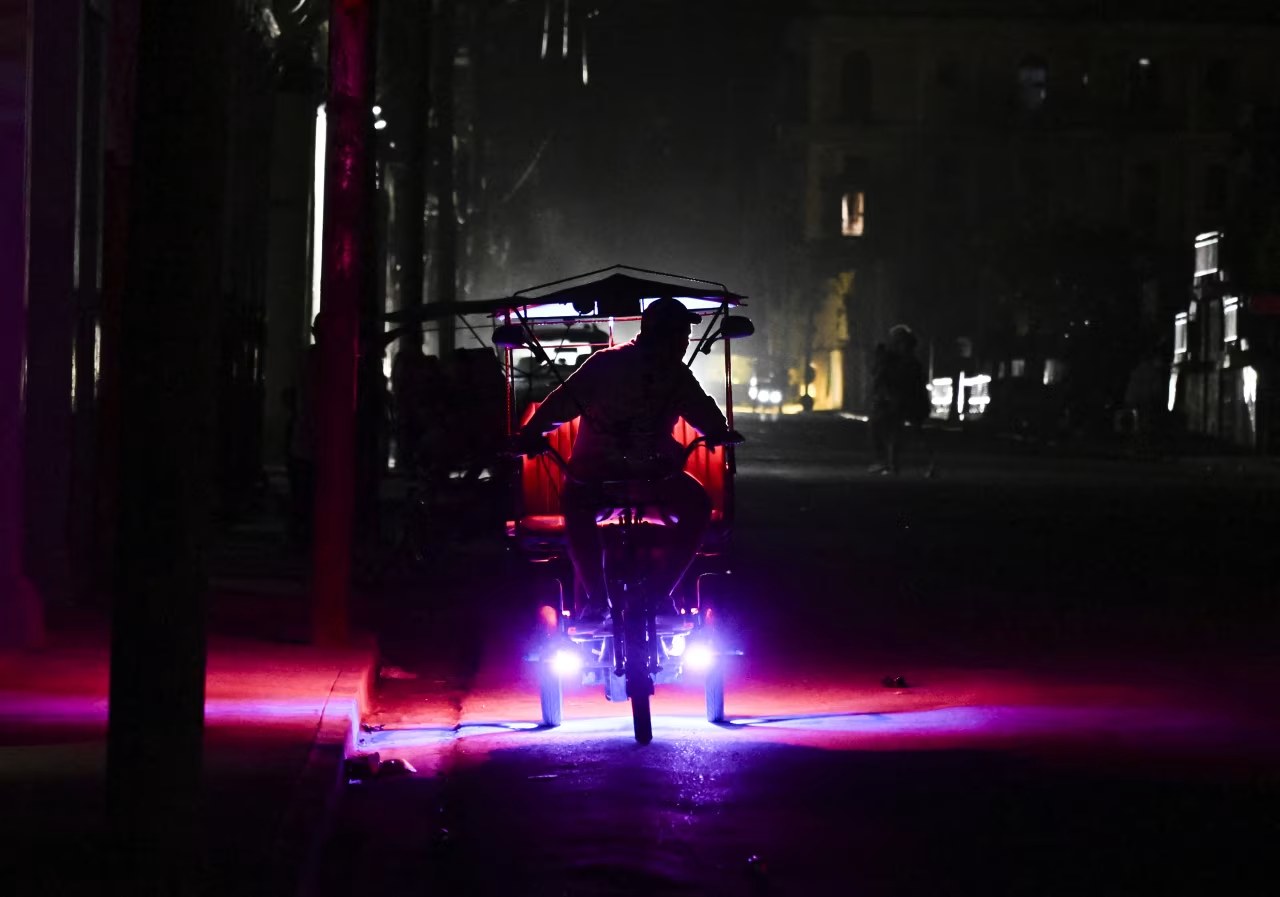
For over six decades, Cubans have lived under the shadow of communist rule, a darkness that has recently been amplified by widespread blackouts, leaving nearly the entire island plunged into darkness. This Easter, faithful Christians are praying by candlelight, a poignant symbol of their enduring hope amidst an enduring struggle.The Shadow of Sixty Years: Communist Rule and Its Discontents
For over six decades, Cuba has navigated the complex and often challenging terrain of communist governance. This protracted period, beginning with Fidel Castro’s rise to power in 1959, has shaped every facet of Cuban life, from its economic structures to its social fabric. International observers, including think tanks like the Atlantic Council, have extensively documented the impacts of this system, noting both attempts at social progress and significant economic stagnation. The pervasive influence of the ruling Communist Party of Cuba has meant a centralized control over state apparatus, which, according to reports from Human Rights Watch, has often come at the expense of individual liberties and political freedoms.The Enduring Grip of the Party
The consolidation of power by the Communist Party has been a defining feature of Cuban governance. Dissent is largely suppressed, and political opposition is not tolerated, creating an environment where the state’s narrative often supersedes independent voices. This has led to a persistent emigration of Cubans seeking greater freedoms elsewhere, a phenomenon that continues to shape the diaspora’s perspective on their homeland. As noted by academic scholars studying Latin American politics, the longevity of the Cuban revolution presents a unique case study in state endurance amidst external pressures and internal challenges. The narrative of ‘the long night’ is deeply entrenched in the collective consciousness of many Cubans, both on the island and in exile. This sentiment is not merely a political lament but a reflection of daily realities marked by scarcity and limited opportunities. While official discourse often emphasizes revolutionary achievements, a significant portion of the population experiences a palpable lack of progress. The very notion of a ‘deal’ with external powers, such as the one President Trump alluded to last month, therefore, carries immense weight, igniting dormant hopes for a fundamental shift in the nation’s trajectory. The enduring quest for a new dawn persists, even if the path remains shrouded in uncertainty. This complex history sets a somber backdrop for the current Easter observance, where faith and hope are tested by the persistent shadows of the past.Easter’s Necessity: Prayer by Candlelight Amidst Blackouts
The recent spate of blackouts across Cuba has rendered electric light a luxury rather than a given. Two distinct power failures, each leaving almost the entire island in sudden darkness, have underscored the fragility of the nation’s energy infrastructure. These are not isolated incidents but part of a recurring pattern that profoundly impacts daily life. For the faithful Christians observing Holy Week, this pervasive energy crisis has introduced an elemental element into their most sacred observances: candlelight. The necessity of gathering for prayer and reflection by the meager, flickering light of candles has become a tangible representation of their faith enduring through profound darkness.A Daily Struggle for Light
This reliance on candlelight is not confined to religious services; it pervades households across the nation. Families are forced to adapt their routines, with cooking, studying, and even basic communication becoming a challenge when the grid inevitably fails. Experts in energy policy within Latin America have long pointed to Cuba’s aging infrastructure and dependence on imported fuel as critical vulnerabilities. The scarcity of resources, exacerbated by international sanctions and internal inefficiencies, contributes to the ongoing power instability. Dr. Anya Petrova, an energy analyst at the Latin American Studies Institute, noted in a 2023 report that ‘Cuba’s energy sector is at a critical juncture, requiring substantial investment and structural reform to ensure reliable power supply.’ The imagery of worshipers praying by candlelight for Easter is particularly resonant. It speaks to a spiritual resilience, a commitment to tradition and faith that transcends physical discomfort and systemic failure. The historical context of Christians practicing their faith in clandestine settings adds another layer to this contemporary struggle. While official pronouncements may focus on economic strategies, the lived experience of many Cubans is one of adaptation and perseverance in the face of recurring adversity. This Easter, the necessity of candlelight is more than just a response to blackouts; it is a powerful symbol of hope persisting in the pervasive gloom, a quiet testament to the enduring human spirit. The convergence of political uncertainty and energy crisis makes this year’s Easter particularly poignant, raising questions about when the ‘long night’ of hardship might finally give way to a new dawn of stability and opportunity for the Cuban people.A Glimmer of Hope? Trump’s ‘Deal’ Remarks and Cuban Aspirations
The political climate surrounding Cuba has been subject to shifts in U.S. policy for decades, with administrations oscillating between engagement and increased pressure. Last month, President Trump’s public statement suggesting that Havana might be ready to ‘make a deal’ with him sent ripples of anticipation through communities both on the island and in exile. For many Cubans, such pronouncements, regardless of their ultimate impact, represent rare moments where their nation’s plight enters the global political discourse with a hint of potential positive change. This sentiment echoes historical periods where diplomatic overtures or shifts in international relations have fueled hopes for reform and improved living conditions.Analyzing the ‘Deal’ Prospect
Discussions about potential ‘deals’ with Cuba often revolve around complex issues such as economic sanctions, human rights, and political reforms. Historically, U.S.-Cuba relations have been characterized by cycles of tension and tentative engagement. The Obama administration, for instance, initiated a period of détente, lifting some restrictions and normalizing diplomatic ties, a move that was later reversed by the Trump administration. This yo-yo effect, as described by Cuban-American scholars at the University of Miami’s Institute for Cuban and Cuban-American Studies, creates an environment of uncertainty that can temper widespread optimism about any single statement. Dr. Ricardo Alvarez, a professor of political science specializing in Caribbean affairs, commented that ‘while any hint of dialogue is welcome, the long-term implications depend on sustained political will and concrete policy changes, not just rhetoric.’ The hope sparked by President Trump’s remarks is particularly significant for Cubans who have lived through decades of economic hardship and political restrictions. The idea of a ‘new dawn’ represents a yearning for a future free from the constraints of the current system, a future where basic needs are met, and freedoms are expanded. This aspiration is deeply intertwined with the nation’s ongoing struggles, including the persistent blackouts that serve as a constant reminder of systemic deficiencies. While the feasibility and nature of any potential ‘deal’ remain highly speculative, the mere suggestion of dialogue offers a psychological boost, a brief counterpoint to the pervasive ‘long night’ that has defined Cuban existence for so many years. The coming months will reveal whether this spark of hope translates into tangible progress or fades back into the shadows of political uncertainty.Why Does Cuba Endure Perpetual Blackouts?
The recurrent and widespread blackouts plaguing Cuba are a stark symptom of deep-seated issues within the nation’s energy sector and broader economic system. For over six decades under communist rule, Cuba has grappled with an aging and underfunded energy infrastructure, heavily reliant on imported fossil fuels, primarily oil. This dependence makes the island acutely vulnerable to global price fluctuations and supply disruptions, as highlighted by numerous reports from international energy agencies like the International Energy Agency (IEA). Compounding these issues are the effects of the United States’ long-standing economic embargo, which, according to Cuban government statements, restricts access to crucial equipment, technology, and financing necessary for modernization and maintenance.Underinvestment and Infrastructure Decay
Reports from organizations such as the U.S. Agency for International Development (USAID) have detailed the critical state of Cuba’s power plants, many of which are decades old and operate far below optimal efficiency. This chronic underinvestment, a consequence of both economic constraints and centralized planning, leads to frequent breakdowns and necessitates rolling blackouts to prevent total system collapse. The situation has been exacerbated in recent years by a decline in oil shipments from Venezuela, Cuba’s traditional ally and energy provider, further straining an already precarious supply chain. Dr. Maria Gonzalez, an economist at the Center for Latin American Studies at Georgetown University, noted in a recent journal article that ‘Cuba’s energy sector faces a ‘perfect storm’ of factors: aging infrastructure, dependence on volatile external supplies, and limitations imposed by the U.S. embargo, all under a centralized economic model that struggles with efficient resource allocation.’ The impact of these power outages extends far beyond inconvenience. They disrupt daily life, cripple economic activity, from agriculture to tourism, and pose significant challenges for essential services like healthcare. The recent nationwide blackouts, which left almost the entire island without power, underscore the severity of the crisis. For ordinary Cubans, these outages are a daily reality that complicates even the most basic tasks, transforming simple needs into complex logistical challenges. The necessity of praying by candlelight this Easter is not merely a symbolic nod to faith but a practical adaptation to a persistent, system-wide energy deficit that defines life in much of the country. The quest for a stable power supply remains a central, unmet need for the Cuban population, a key indicator of the broader economic and systemic challenges the nation faces. This ongoing energy crisis paints a grim picture of the daily struggles Cubans face, a reality that overshadows any political pronouncements of potential future deals and reinforces the pervasive sense of living through a ‘long night’ of hardship.Frequently Asked Questions
Q: What is the current political situation in Cuba?
Cuba has been under communist rule for over six decades. While there are intermittent hopes for change, the political landscape remains largely unchanged, with significant challenges persisting for its citizens.
Q: Why are there blackouts in Cuba?
The island nation experiences frequent and widespread blackouts, which have recently left almost the entire country without power. These disruptions are a stark reality for Cubans, impacting daily life and religious practices.
Q: How do Cubans observe religious holidays like Easter?
Many faithful Christians in Cuba observe religious holidays like Easter, often under difficult circumstances. The ongoing power outages necessitate prayer by candlelight, a necessity born from the prolonged periods of darkness.
Q: Is there hope for change in Cuba?
Historically, there have been moments of hope for political change, such as statements from leaders like President Trump suggesting potential deals. However, for the majority of Cubans, the daily struggle under the current regime continues.
