Iran War Sparks Price Surge for U.S. Polyethylene, Dow Reports $4.2 Billion in Losses
- Dow Chemical’s CEO noted a significant price increase for polyethylene, a key plastic for consumer goods.
- The Iran war, beginning approximately two weeks prior, is cited as the catalyst for this market shift.
- Polyethylene is a foundational material for packaging, detergent bottles, and numerous other everyday products.
- This price surge indicates a reversal from a prior ‘doldrums’ period for the U.S. plastics sector.
A global conflict reshapes domestic commodity markets, impacting essential materials.
DOW CHEMICAL—Just two weeks after the commencement of the Iran war, a significant global conflict, Dow Chief Executive Jim Fitterling delivered a message to investors that marked a distinct turnaround for a vital product: polyethylene. For a period, the U.S. plastics industry had been experiencing a sluggish demand, often described as being in the doldrums, with prices for key commodities failing to inspire confidence. Fitterling’s statement, however, signaled a dramatic shift, suggesting that market forces were rapidly realigning.
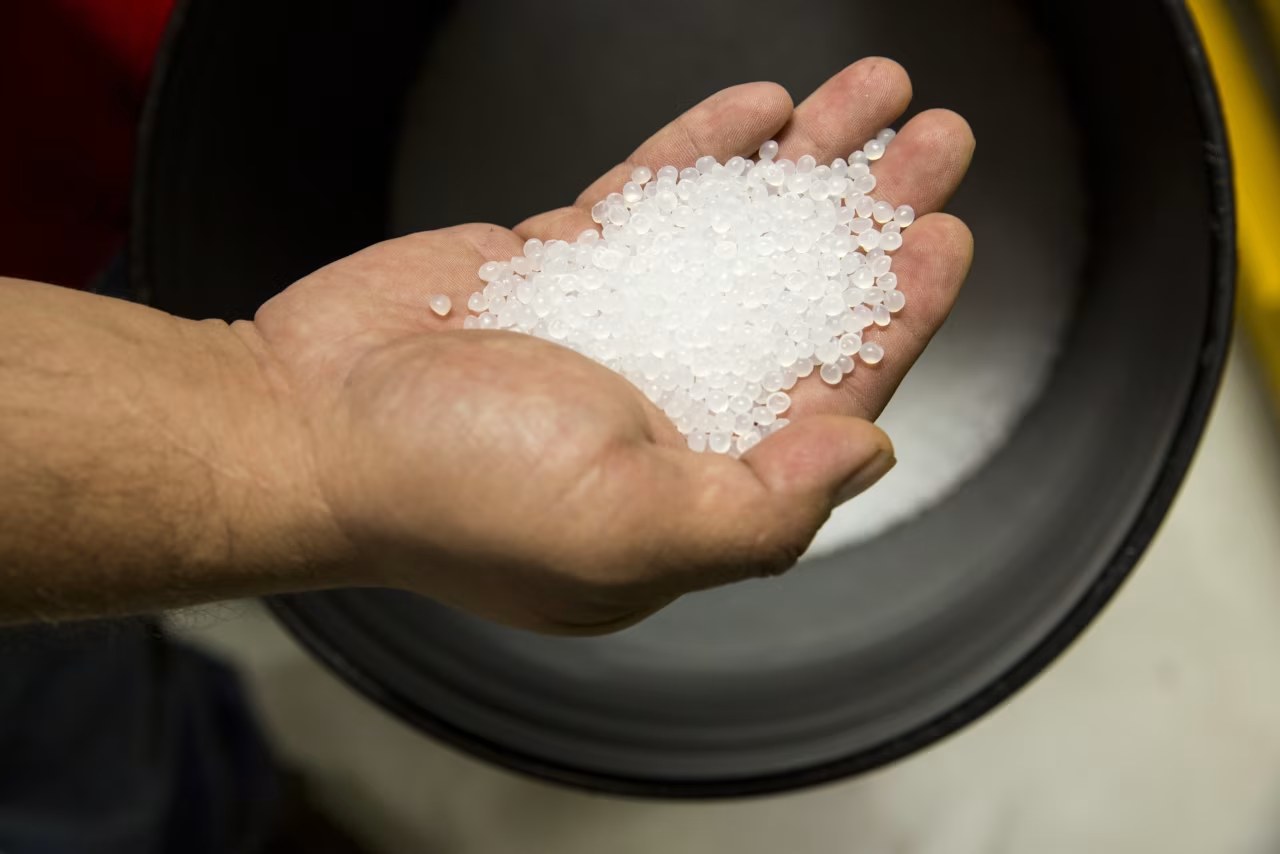
“We’re seeing prices go up everywhere,” Fitterling stated, directly referencing polyethylene. This observation was not just an abstract market commentary; it was a concrete indicator that the supply-demand balance for one of the world’s most ubiquitous plastics had been fundamentally altered. Polyethylene, a versatile polymer, forms the basis for a vast array of consumer and industrial goods, including essential items like detergent bottles, food packaging, and films. Its price fluctuations, therefore, have broad implications across manufacturing sectors and directly influence the cost of many products found in households.
The timing of Fitterling’s pronouncement, immediately following the escalation of the Iran war, strongly suggests a direct causal link. Geopolitical instability, especially involving major energy-producing regions or critical shipping lanes, often disrupts global supply chains. Such disruptions can lead to increased raw material costs, reduced availability, and, consequently, higher prices for downstream products like polyethylene. This dynamic appears to have pulled the U.S. plastics industry out of its preceding period of stagnation.
The Ripple Effect: How Geopolitics Dictates Plastic Prices
War’s Unforeseen Economic Consequences
The geopolitical landscape has long been a powerful, albeit unpredictable, driver of economic activity, and the recent commencement of the Iran war serves as a stark reminder of this principle. For the U.S. plastics industry, which had been navigating a period of reduced demand and stagnant prices, the conflict acted as an almost immediate catalyst. Dow’s CEO, Jim Fitterling, articulated this shift on investor calls, noting a pervasive upward movement in polyethylene prices approximately two weeks after the war’s onset. This swift reaction underscores the sensitivity of commodity markets to global instability. The value of polyethylene, a fundamental building block for countless consumer goods, began to climb, signaling a significant departure from the previous market inertia.
Polyethylene’s Pivotal Role in the Economy
Polyethylene’s ubiquity in modern life makes its price a barometer for broader economic health. Used in everything from the flexible packaging that preserves food freshness to the rigid containers for household cleaners, its demand is intrinsically linked to consumer spending and industrial output. When polyethylene prices rise broadly, as Fitterling observed, it signifies increased pressure on manufacturing costs across numerous sectors. For instance, food producers and consumer goods companies relying on polyethylene packaging must contend with higher input expenses, potentially leading to price adjustments for their end products. This cascading effect means that a conflict thousands of miles away can directly influence household budgets.
The Pre-War Stagnation
Prior to the escalation of the Iran war, the U.S. plastics industry found itself in what Dow’s CEO termed the ‘doldrums.’ This state suggests a market characterized by weak demand, oversupply, or perhaps a combination of both, leading to suppressed pricing power for producers. Companies like Dow were likely facing challenges in maintaining profitability for their polyethylene operations during this period. The industry’s reliance on stable energy prices and predictable global trade routes means that periods of geopolitical calm, while beneficial for social stability, can sometimes lead to an oversupply and price compression in commodity markets if demand does not keep pace. The sudden shift following the Iran war illustrates how quickly this balance can be upended by external shocks, providing a crucial lesson in market volatility.
The transition from a stagnant market to one experiencing widespread price increases highlights the complex interplay between global events and domestic industrial conditions. Experts at the Plastics Industry Association have previously noted that geopolitical tensions can lead to supply chain rerouting and increased demand for certain materials as nations seek to secure reserves or pivot production, thereby driving up prices. This recent development appears to be a textbook example of such dynamics at play, demonstrating how quickly a sector can rebound or, more accurately, experience a price shock influenced by international conflict.
The forward-looking implication is clear: the plastics industry, and indeed many other commodity-dependent sectors, must remain attuned to global geopolitical developments. The Iran war has not only impacted regional stability but has also served as a powerful economic disruptor, recalibrating market expectations and demonstrating the fragility of supply chains in the face of conflict. This underscores the need for robust risk management strategies and diversified sourcing to mitigate the impact of such unforeseen events.
Dow CEO’s Observation: A Statistical Snapshot
Quantifying the Price Surge
Jim Fitterling’s assertion that “prices are going up everywhere” for polyethylene, made approximately two weeks into the Iran war, provides a critical data point for understanding the market’s immediate response to geopolitical stress. While the exact percentage increase is not detailed in the initial report, the phrase itself denotes a pervasive upward trend across multiple markets and applications. This is a significant shift from the preceding period, which was characterized by sluggish demand and suppressed pricing – the ‘doldrums’ that had characterized the U.S. plastics industry.
The implication of Fitterling’s statement is that factors related to the Iran war have disrupted the supply-demand equilibrium for polyethylene. This could involve a reduction in global supply due to conflict-related disruptions in energy or petrochemical feedstock availability, or an increase in speculative buying as market participants anticipate future shortages. For a commodity as foundational as polyethylene, used in everything from food packaging to automotive parts, such a widespread price increase suggests a broad impact on manufacturing costs for a multitude of downstream industries.
The Economic Implications of Rising Polyethylene Costs
A consistent rise in polyethylene prices, as observed by Dow’s CEO, inevitably translates into higher production costs for companies that rely on this plastic. This inflationary pressure can manifest in several ways. For consumer-facing businesses, it may necessitate price hikes for finished goods, potentially affecting consumer purchasing power. For industrial users, it can squeeze profit margins, especially if they are unable to pass on the increased costs to their customers. The American Chemistry Council has previously noted that geopolitical events can cause volatility in feedstock prices, which directly impacts petrochemical products like polyethylene, leading to these observed market shifts.
The period immediately preceding this price surge was notably challenging for the plastics sector. Reports from industry analysts indicated that global demand growth for plastics had slowed, leading to excess capacity and downward pressure on prices. This made the sudden upward momentum, catalyzed by the Iran war, a particularly striking development. It demonstrates how external shocks, such as international conflicts, can rapidly alter market dynamics, offering a strong contrast to the prior period of stagnation. The fact that prices are rising ‘everywhere’ suggests a global phenomenon rather than a localized market fluctuation.
The precise financial impact on Dow and its competitors will become clearer in subsequent earnings reports. However, the immediate sentiment conveyed by Fitterling points to a significant market inflection. This event underscores the inherent volatility within commodity markets and the complex, often indirect, ways in which global conflicts can reshape domestic economies and influence the cost of everyday goods. The narrative shift from ‘doldrums’ to widespread price increases is a testament to the powerful influence of geopolitical events on industrial economics.
Beyond Polyethylene: What Other Plastics Face Price Volatility?
The Interconnected World of Plastic Feedstocks
While Dow’s CEO specifically highlighted polyethylene, the factors driving its price surge likely extend to other major plastics and their underlying feedstocks. Polyethylene is derived from ethylene, which in turn is produced from natural gas liquids or naphtha, a byproduct of crude oil refining. Consequently, any disruption affecting crude oil or natural gas markets, often exacerbated by geopolitical events like the Iran war, can ripple through the entire petrochemical value chain. This means that other widely used plastics such as polypropylene, polyvinyl chloride (PVC), and polystyrene may also be experiencing upward price pressures, even if not explicitly stated by Fitterling.
Geopolitical Impact on Global Supply Chains
The Iran war’s influence on global energy markets is a critical factor to consider. Iran is a significant oil producer, and any conflict involving the nation can lead to heightened uncertainty regarding global oil and gas supply. This uncertainty often translates into price volatility for crude oil and its derivatives, which are the essential raw materials for most plastics. According to the U.S. Energy Information Administration (EIA), global energy markets are highly interconnected, meaning disruptions in one region can have far-reaching consequences. This disruption could lead to reduced availability or increased costs for naphtha and other feedstocks, directly impacting the production costs and prices of various plastics.
Historical Precedents of Conflict and Commodity Spikes
History offers numerous examples of how geopolitical conflicts trigger surges in commodity prices. The 1973 oil crisis, the Gulf War in 1990, and more recent tensions in the Middle East have all historically led to sharp increases in oil and gas prices. These price hikes invariably affect the cost of producing plastics, as feedstocks become more expensive. Industry analyses from organizations like the American Chemistry Council frequently cite these historical patterns, emphasizing that the plastics industry operates within a global economic framework heavily influenced by energy market stability. The current situation with the Iran war echoes these established patterns of conflict-driven commodity price inflation.
The ‘doldrums’ period for the U.S. plastics industry prior to the Iran war might have been partly due to stable, lower energy prices and a perceived lack of geopolitical risk. The sudden shift observed by Fitterling suggests that market participants are now factoring in a higher risk premium, which is being reflected in the prices of key petrochemicals. This demonstrates that the demand for plastics, while robust in its own right, is also susceptible to broader macroeconomic forces shaped by international relations and military actions.
The upward trend in polyethylene, therefore, is likely indicative of a broader inflationary environment impacting the entire plastics sector. As the conflict in Iran evolves, market observers will be closely watching other commodity prices, including those for polypropylene and PVC, to gauge the full extent of the economic fallout. The industry’s ability to navigate these volatile price swings will depend on its agility in adapting to changing feedstock costs and evolving global supply chain dynamics.
What Is the Long-Term Outlook for U.S. Plastics Post-Conflict?
Navigating Volatility: A Strategic Imperative
The recent price surge in polyethylene, triggered by the Iran war, serves as a potent reminder of the U.S. plastics industry’s susceptibility to external shocks. While Dow CEO Jim Fitterling’s observation of prices rising ‘everywhere’ signifies a potential short-term boon for producers, the long-term outlook hinges on navigating this inherent volatility. Geopolitical stability is a crucial, yet often elusive, factor for commodity markets. As the conflict in Iran progresses, its duration and impact on global energy supplies will continue to shape feedstock costs and, consequently, the profitability of plastic manufacturers. Industry experts at the American Chemistry Council have consistently highlighted the need for strategic planning that accounts for such unpredictable global events.
The Role of Innovation and Diversification
Looking beyond immediate price fluctuations, the long-term health of the U.S. plastics industry depends on innovation and diversification. While polyethylene remains a cornerstone product, companies are increasingly investing in higher-value specialty plastics, biodegradable alternatives, and advanced recycling technologies. These efforts aim to reduce reliance on volatile commodity markets and address growing environmental concerns. For instance, the development of advanced chemical recycling processes could create more stable, circular supply chains, less dependent on virgin fossil fuel feedstocks. This forward-thinking approach, as advocated by researchers at MIT’s Materials Systems Laboratory, is crucial for sustained growth.
Sustainability and Market Demand
The global push towards sustainability presents both challenges and opportunities for the plastics sector. While traditional plastics derived from fossil fuels face scrutiny, the demand for innovative and eco-friendly materials is on the rise. Companies that can successfully develop and scale up production of sustainable plastics, or significantly improve the recyclability of existing ones, are likely to gain a competitive advantage. Market research firms like IHS Markit project a growing demand for recycled plastics and bioplastics, indicating a fundamental shift in consumer and regulatory preferences that the industry must adapt to. The current geopolitical climate, by increasing the cost of traditional feedstocks, might inadvertently accelerate this transition towards more sustainable materials.
Furthermore, the industry’s ability to manage public perception and regulatory pressures regarding plastic waste will be paramount. Proactive engagement with policymakers and investment in public education campaigns can help foster a more supportive environment for innovation and responsible production. The current price volatility, while disruptive, could serve as a catalyst for deeper strategic reassessment, pushing the industry towards greater resilience and a more sustainable future, even as it grapples with the immediate implications of global conflicts.
Ultimately, the U.S. plastics industry’s trajectory will be shaped by its capacity to adapt to a complex web of factors, from geopolitical instability and energy market fluctuations to technological advancements and evolving environmental standards. The lessons learned from the Iran war’s impact on polyethylene prices underscore the need for foresight, agility, and a commitment to innovation in ensuring long-term viability and growth in an ever-changing global landscape.
Frequently Asked Questions
Q: What is polyethylene and why is it important?
Polyethylene is a versatile plastic used in countless everyday products, from detergent bottles and food packaging to industrial films and components. Its widespread application makes its price a key indicator of manufacturing and consumer demand trends across various sectors of the economy.
Q: How did the Iran war affect the plastics industry?
The conflict created supply chain disruptions and geopolitical uncertainty, which are common catalysts for commodity price increases. Reduced supply or the threat of reduced supply often leads to price hikes as buyers secure limited available materials, impacting downstream manufacturing.
Q: What is Dow’s role in the polyethylene market?
Dow is a major global producer of polyethylene. When its CEO, Jim Fitterling, observes price increases across the board, it signals a significant shift in market dynamics. This observation from a key industry player underscores the impact of external events on fundamental commodity markets.
Q: What does it mean for prices to ‘go up everywhere’?
This phrase indicates a broad-based price appreciation for polyethylene across various markets and applications. It suggests that demand has outstripped supply globally, forcing buyers to pay higher prices for the material, impacting the cost of many consumer and industrial goods.
