Global Oil Supply Faces 10% Deficit Amid Middle East Oil Crisis
- The ongoing war in Iran has triggered a significant global oil crisis.
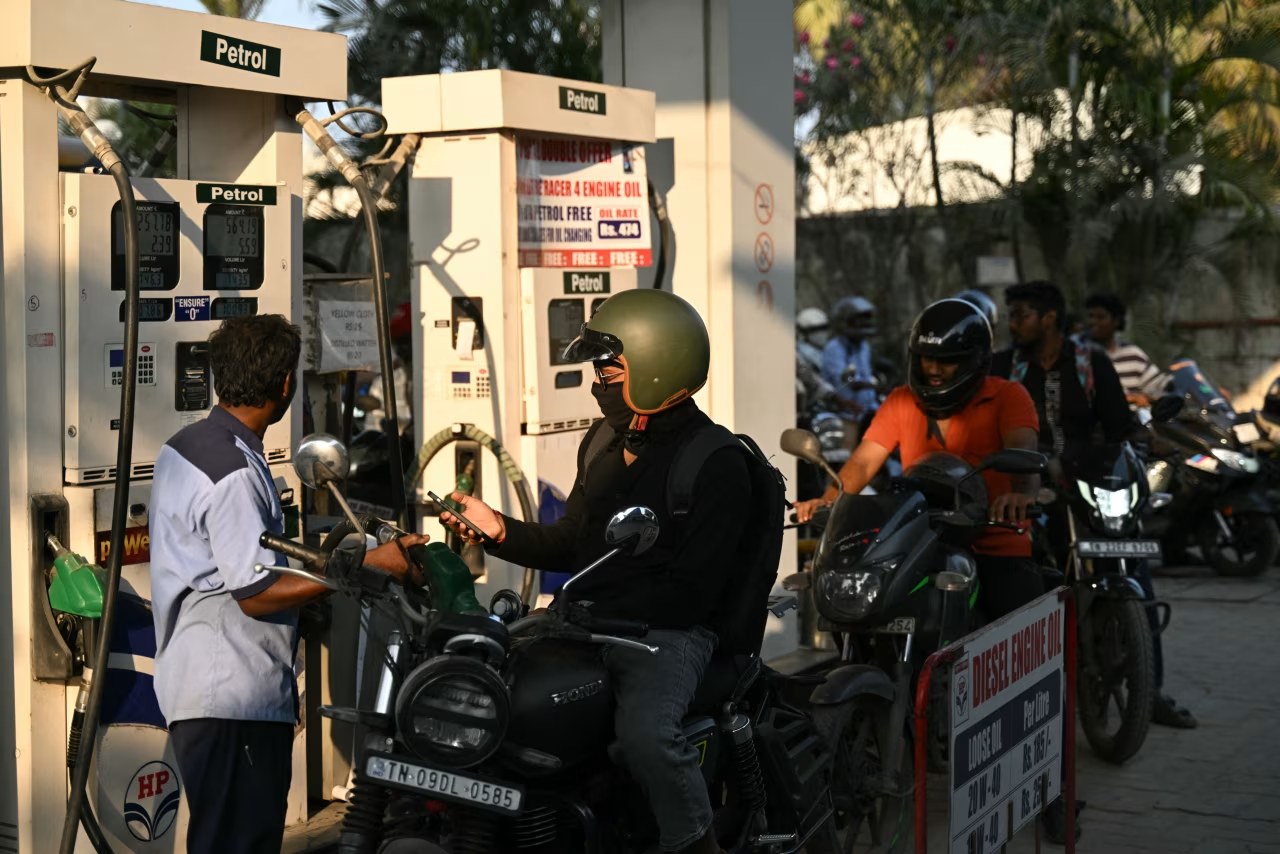
- Asia is already experiencing severe impacts, with factories reducing output and gas stations rationing fuel.
- Economists warn that Europe and Africa, highly dependent on Middle East imports, face similar challenges.
- Iran’s blockade of the Strait of Hormuz has caused a 10% global oil supply deficit.
- The blockade also disrupts the supply of liquefied natural gas, vital for electricity and fertilizer production.
A Geopolitical Chokepoint Triggers Far-Reaching Economic Instability
STRAIT OF HORMUZ—The global economy is grappling with the immediate and cascading consequences of a profound energy shock, ignited by the escalating war in Iran. What began as a regional conflict has swiftly morphed into an international oil crisis, sending ripple effects from the industrial heartlands of Asia to the vulnerable energy markets of Europe and Africa. The initial tremors are already shaking Asian economies, where vital industries are scaling back operations to conserve dwindling energy supplies, and consumers face the stark reality of fuel rationing at the pump.
This unprecedented disruption is largely attributable to Iran’s strategic blockade of the Strait of Hormuz, a critical maritime passage that serves as the artery for a substantial portion of the world’s petroleum and liquefied natural gas (LNG) shipments. Data compiled by Oxford Economics reveals a chilling statistic: the global oil supply has plummeted to 10% below pre-war requirements, a deficit that underscores the severity of the current situation and the precariousness of global energy infrastructure. This immediate supply shock is not merely a regional inconvenience; it’s a structural challenge with the potential to redefine international trade flows and energy policies.
For policymakers and businesses alike, the unfolding events represent a grim forecast. Leading economists are issuing urgent warnings, projecting that the energy hardships now gripping parts of Asia are merely a precursor to what awaits nations across Europe and Africa. These continents, deeply reliant on hydrocarbon imports from the Middle East, are bracing for a period of profound economic uncertainty and potential widespread disruption. The intricate web of global supply chains and energy dependencies means that a conflict in one strategic location can rapidly ignite an oil crisis with worldwide ramifications.
Asia’s Immediate Struggle: Factories Halt, Fuel Dwindles
The war in Iran has cast an immediate and foreboding shadow over Asia, transforming the abstract concept of an oil crisis into a tangible daily struggle for millions. Across the continent, industrial powerhouses are finding their operational capacities severely constrained as energy supplies dwindle. Factories, the engines of many Asian economies, are proactively curbing production, a decision driven by the imperative to conserve energy rather than by a lack of demand. This curtailment is not merely a minor adjustment; it signals a significant slowdown in manufacturing output, which invariably translates into broader economic deceleration. For example, if a major electronics manufacturer in a key Asian hub reduces its output by a substantial margin, it impacts not only its direct workforce but also a vast ecosystem of suppliers, logistics providers, and associated service industries.
Industrial Contraction and Consumer Hardship
The decision by factories to reduce production carries a host of critical implications. Reduced manufacturing volume means fewer goods for domestic consumption and export, potentially leading to inflationary pressures as supply struggles to meet existing demand. Furthermore, the financial strain on businesses can lead to difficult choices, including hiring freezes, reduced work hours, or even layoffs, directly impacting household incomes and consumer confidence. This initial phase of the oil crisis is characterized by a feedback loop: energy shortages force production cuts, which then depress economic activity, making it harder for nations to absorb the shock.
Beyond the factory floor, the impact reverberates through daily life, manifesting most visibly at gas stations. Reports from various Asian countries indicate that drivers are encountering limits on fuel purchases, with some stations implementing partial fill-up policies. This rationing is a direct consequence of the supply shortages exacerbated by the Strait of Hormuz blockade. For ordinary citizens, this means longer queues, increased anxiety about commuting, and higher transportation costs, further eroding disposable income and increasing the cost of living. The logistical challenges for commercial transport, from delivery services to agricultural distribution, are also immense, threatening to disrupt essential supply chains for food and other necessities.
Economists studying the unfolding situation emphasize that these immediate Asian impacts serve as a critical barometer for the global economy. As a leading institution, Oxford Economics specifically highlighted the 10% global oil supply deficit, stating it fundamentally undermines market stability. They indicate that the measures taken in Asia—such as production cuts and fuel rationing—are not isolated incidents but rather symptomatic responses to a systemic energy shortfall. This regional experience offers valuable, albeit concerning, insights into the potential trajectory of the oil crisis as it expands its reach.
The collective experience in Asia, marked by industrial contraction and increasing consumer hardship, underscores the vulnerability of import-dependent economies to geopolitical shocks. The proactive curtailment of energy consumption, while necessary, carries significant long-term risks for economic growth and stability. As these nations navigate the immediate challenges, the world watches closely, understanding that these struggles are a potent warning of the severe energy headwinds gathering for other regions.
The Strait of Hormuz: A Chokepoint’s Global Ramifications
At the heart of the burgeoning oil crisis lies a geographical feature of immense strategic importance: the Strait of Hormuz. This narrow waterway, nestled between the Persian Gulf and the Gulf of Oman, is more than just a passage; it is a vital chokepoint through which an estimated one-fifth of the world’s total oil consumption, and a significant portion of its liquefied natural gas (LNG), flows daily. Iran’s decision to blockade this strait, a direct consequence of the ongoing conflict, has had immediate and devastating effects on global energy markets, creating the 10% global oil supply deficit reported by Oxford Economics.
Geopolitical Leverage and Economic Vulnerability
The act of blockading such a critical thoroughfare is a powerful geopolitical maneuver, demonstrating the profound leverage that nations bordering key maritime routes can exert over international commerce and energy security. For countries heavily reliant on Middle Eastern oil and gas, the Strait of Hormuz represents their primary, and often only, direct access to these resources. The disruption is therefore not merely a logistical challenge; it is an existential threat to the energy supply chains that underpin modern industrial and societal functions. The immediate consequence of the blockade is a sharp reduction in the availability of crude oil and LNG, creating a scarcity that drives up prices and forces importing nations to seek alternative, often more expensive and less efficient, sources.
The strategic significance of the Strait extends beyond crude oil. It is also, as the source text highlights, a critical thoroughfare for liquefied natural gas. Many countries, particularly in Asia and Europe, have invested heavily in LNG import terminals and infrastructure, relying on gas shipments for a diverse range of applications. This includes generating a substantial portion of their electricity and producing essential fertilizers for agriculture. A disruption to LNG supplies therefore carries a dual threat: not only to industrial output and residential power but also to global food security through its impact on agricultural yields. The intertwining of these critical commodities means the Strait’s blockade presents a multi-faceted energy crisis, far more complex than a simple oil shortage.
Analysts universally agree on the unprecedented nature of this specific oil crisis, particularly given the scale of dependency on the Strait of Hormuz. The 10% global supply deficit quantified by Oxford Economics is a stark reminder of how quickly geopolitical events can unravel economic stability. The consequences of such a disruption cascade through global supply chains, affecting everything from raw material costs to consumer prices, and threatening to spark a global economic recession. The Strait’s role as a linchpin of global energy trade makes any disruption here a matter of international concern, triggering immediate responses from governments and financial markets.
As the international community grapples with the fallout, the strategic vulnerability exposed by the Strait of Hormuz blockade underscores the urgent need for diversified energy sources and resilient supply chains. The repercussions of this single chokepoint’s closure will undoubtedly shape energy policies and geopolitical strategies for years to come, forcing a re-evaluation of how global energy security is maintained in an increasingly volatile world.
Will Europe and Africa Avoid a Looming Energy Supply Crisis?
While Asia currently bears the immediate brunt of the oil crisis, economists are sounding urgent alarms for Europe and Africa, predicting a similar, if not more severe, economic upheaval. Both continents share a critical vulnerability: a profound reliance on oil and liquefied natural gas (LNG) imports from the Middle East. The strategic blockade of the Strait of Hormuz therefore directly imperils their energy security, threatening to replicate and even amplify the challenges already being observed in Asian markets.
The Inevitable Ripple Effect for Import-Dependent Economies
The forecast for Europe is particularly stark. As a highly industrialized continent with a significant energy demand, any disruption to Middle Eastern supplies can quickly translate into widespread economic hardship. Factories, similar to those in Asia, could face pressure to curb production, leading to manufacturing slowdowns, reduced exports, and potential job losses. Consumers would likely contend with soaring fuel prices, restricted availability, and higher utility bills, fueling inflationary spirals. The implications for the European Union, which has long grappled with energy independence, are profound, challenging its economic stability and social cohesion.
Africa, too, stands at a precarious juncture. Many African nations are net energy importers, making them highly susceptible to global supply shocks and price volatility. An extended oil crisis, exacerbated by the Strait of Hormuz blockade, could derail development efforts, increase the cost of essential goods, and strain public finances. The double blow of reduced fuel availability and potential spikes in LNG prices would not only impact electricity generation but also the cost and availability of fertilizers, jeopardizing agricultural output and potentially triggering food security concerns across the continent. This is a critical point: the impact isn’t just about driving cars or powering factories; it’s about the fundamental inputs for food production.
Experts reiterate the core assessment from Oxford Economics regarding the 10% global oil supply deficit as the fundamental driver of these predicted crises. The interconnectedness of global energy markets means that a deficit of this magnitude cannot be contained to a single region. Instead, it creates intense competition for available supplies, driving prices skyward and disadvantaging nations with fewer financial resources or less diversified energy portfolios. The adage that “when America sneezes, the world catches a cold” might be updated to “when the Middle East chokes, the world goes cold” in the context of energy. The war in Iran has initiated a chain reaction, and Europe and Africa are next in line to experience the severe symptoms.
The gravity of this looming crisis demands proactive measures, yet the immediate options for highly import-dependent regions are limited. Diversifying energy sources, building strategic reserves, and accelerating renewable energy transitions are long-term solutions that offer little immediate relief. As the situation in Asia deteriorates, the imperative for Europe and Africa to prepare for unprecedented energy rationing and economic contraction grows more urgent, highlighting a period of intense global instability.
Beyond Crude: The Secondary Shock of Liquefied Natural Gas
While the headlines often focus on crude oil, the current oil crisis triggered by the war in Iran and the subsequent Strait of Hormuz blockade presents a formidable secondary shock: the disruption of liquefied natural gas (LNG) supplies. The Strait is not just a critical conduit for oil; it also facilitates the passage of substantial volumes of LNG, a versatile fuel that many countries rely on for a range of essential applications. This dual impact amplifies the crisis, threatening not only energy for transportation and industrial processes but also fundamental utilities and agricultural output.
LNG’s Crucial Role in Modern Economies
One of the primary uses of LNG is for electricity generation. Power plants globally increasingly depend on natural gas due to its efficiency and relatively cleaner burn compared to other fossil fuels. A disruption in LNG supply directly threatens a nation’s power grid stability, potentially leading to blackouts, industrial shutdowns, and significant inconvenience for households. For instance, countries that have decommissioned coal-fired plants and invested heavily in gas-fired alternatives now face a precarious energy mix, highlighting their vulnerability to an interrupted LNG supply chain. The ripple effect extends to public services, healthcare, and digital infrastructure, all of which require a stable and consistent power supply.
Even more critically, LNG is an indispensable input for the production of fertilizers. Modern agriculture, which feeds billions, is heavily reliant on synthetic fertilizers derived from natural gas. A sustained shortage of LNG, therefore, translates directly into reduced fertilizer production, which in turn jeopardizes crop yields. This creates a direct link between the geopolitical conflict in the Middle East, the Strait of Hormuz blockade, and global food security. Economists and agricultural analysts warn that reduced fertilizer availability could lead to higher food prices, further exacerbating inflationary pressures and potentially triggering humanitarian crises in vulnerable regions. This aspect of the oil crisis transforms it into a multi-dimensional threat, impacting not just industrial output but the very sustenance of populations.
The assessment by Oxford Economics of a 10% global oil supply deficit implicitly suggests an analogous, if not proportional, strain on LNG markets. Both commodities are fundamental to the global energy complex, and a blockade impacting one will invariably affect the other through shared shipping routes and geopolitical dynamics. The reliance of “many countries” on LNG, as stated in the original reporting, indicates a widespread vulnerability that will not be easily mitigated. This isn’t an issue confined to a few specialized sectors; it permeates the entire economic fabric of energy-importing nations.
The intertwined fates of oil and LNG underscore the systemic fragility of global energy systems in the face of geopolitical instability. Addressing this secondary shock requires not only the stabilization of oil markets but also a concerted effort to secure alternative LNG sources or develop new, sustainable methods for power generation and fertilizer production. The long-term implications of this combined energy crisis will force a profound re-evaluation of national energy strategies and international cooperation in resource management.
Navigating Geopolitical Headwinds: The Global Economic Fallout
The confluence of the war in Iran, the strategic blockade of the Strait of Hormuz, and the resulting 10% global oil supply deficit has unleashed a potent cocktail of geopolitical and economic headwinds. This isn’t merely an oil crisis; it’s a systemic shock with the potential to reconfigure global trade, energy policy, and international relations. The immediate impacts observed in Asia, coupled with the stark warnings for Europe and Africa, paint a grim picture for the stability of the global economy.
Broader Economic Repercussions and Policy Challenges
The core implications extend far beyond energy prices. Persistent energy shortages and soaring costs will inevitably fuel inflationary pressures across all sectors. Businesses facing higher operational costs for fuel and electricity will pass these onto consumers, eroding purchasing power and potentially leading to a decline in aggregate demand. This stagflationary environment—characterized by rising prices and slowing economic growth—poses a significant challenge for central banks worldwide, who may find their traditional monetary policy tools less effective against supply-side shocks. The global economy, already contending with various post-pandemic vulnerabilities, now faces a major external threat that could tip it into a prolonged downturn.
Supply chain disruptions, initially concentrated in energy, will inevitably broaden. The curtailed factory production in Asia implies reduced availability of finished goods and components, creating bottlenecks in global manufacturing and retail. The impact on transportation costs, driven by higher fuel prices, will further complicate logistics, making it more expensive and time-consuming to move goods across borders. This fragmentation of global supply chains could lead to a re-shoring or near-shoring trend, fundamentally altering the landscape of international trade and potentially raising consumer prices even higher in the long term.
The assessment from Oxford Economics regarding the 10% global oil supply deficit underscores the severity of the challenge. Such a substantial shortfall cannot be easily absorbed by existing reserves or alternative sources, highlighting a deep structural vulnerability in the global energy system. The crisis also lays bare the enduring geopolitical importance of the Middle East as a crucial energy provider, despite decades of efforts by many nations to diversify their energy portfolios. This event will undoubtedly accelerate the push towards renewable energy sources and energy independence, but these transitions are capital-intensive and time-consuming, offering little immediate succor.
Looking forward, the oil crisis necessitates a re-evaluation of national security and economic resilience strategies. Governments may need to consider measures such as strategic energy reserves, fuel rationing protocols, and targeted subsidies to protect vulnerable populations and industries. The long-term stability of the international system hinges on the ability of major powers to de-escalate regional conflicts and ensure the unimpeded flow of essential resources. The current crisis, therefore, is not just a test of economic fortitude but also a critical challenge to global diplomatic and security frameworks.
Frequently Asked Questions
Q: What is causing the current global oil crisis?
The current global oil crisis is primarily caused by a war in Iran, which has led to Iran’s blockade of the Strait of Hormuz. This strategic choke point’s closure has significantly reduced the global oil supply, impacting nations reliant on imports from the Middle East. The blockade directly contributes to the severe oil crisis unfolding globally.
Q: How is the oil crisis impacting Asia?
Asia is experiencing immediate and significant impacts from the oil crisis. Factories are curbing production to conserve energy, leading to industrial slowdowns and potential job losses. Additionally, gas stations in some areas are implementing rationing, limiting how much fuel drivers can purchase at one time. This directly indicates the severity of the oil crisis in the region.
Q: Why are Europe and Africa particularly vulnerable to this oil crisis?
Europe and Africa are exceptionally vulnerable to this oil crisis because both continents heavily rely on oil and liquefied natural gas (LNG) imports from the Middle East. The Strait of Hormuz blockade, which is central to the crisis, disrupts these vital supply lines. Economists predict that the challenges already seen in Asia are a strong indicator of what’s to come for these import-dependent regions, exacerbating the global oil crisis.
Q: What role does the Strait of Hormuz play in the global energy market?
The Strait of Hormuz is a critical maritime thoroughfare for a significant portion of the world’s oil and liquefied natural gas (LNG) supply, particularly from the Middle East. Its blockade by Iran has immediate and far-reaching consequences, causing a global oil supply deficit of 10% below pre-war levels. This vital chokepoint’s disruption is central to the current oil crisis.
📰 Related Articles
- Geopolitical Tensions Spark Oil Surge and Asian Market Retreat After Trump’s Iran Warning
- Trump Reaffirms Resolve in Iran, Pledging to Complete Critical Objectives
- First Gulf Nation Signals Readiness to Force Open Strategic Strait of Hormuz
- Trump Threatens to Bomb Iran’s Oil Fields If Strait of Hormuz Talks Collapse
