Kanye West’s Redemption Tour Begins: Fans Divided on Artist’s Public Re-entry
- Kanye West, now known as Ye, is attempting a U.S. stadium comeback after making antisemitic and racist statements.
- His first U.S. stadium show in over four years took place in Los Angeles, drawing mixed reactions from long-time fans.
- Siblings Wendell and Whitney Cole represent the spectrum of fan response, with one remaining a devoted follower and the other now distant.
- The artist faces a significant challenge in rebuilding trust and regaining mainstream acceptance following past controversies.
A Public Attempt to Rebuild an Image Tarnished by Hate Speech
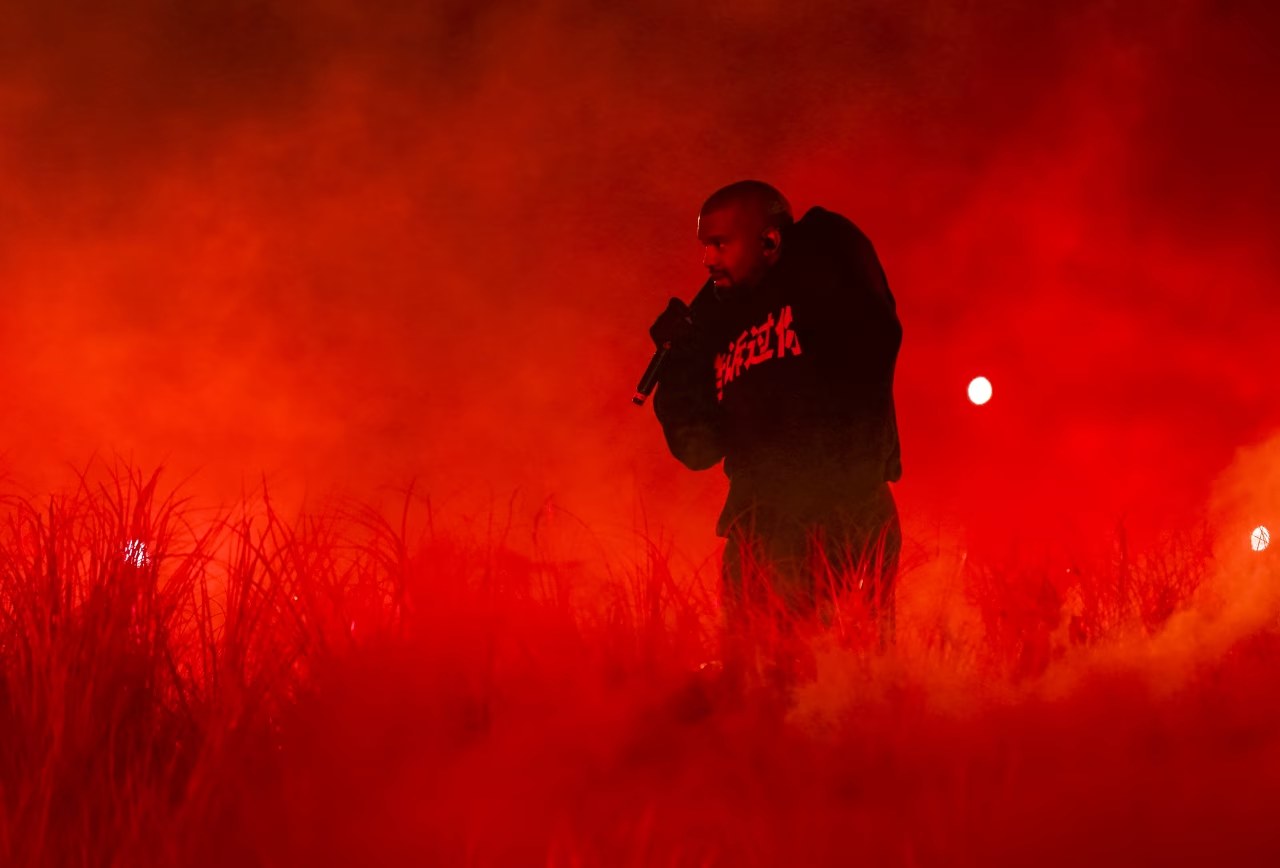
KANYE WEST—The path to redemption for any public figure is arduous, but for Kanye West, now legally known as Ye, the journey back into mainstream acceptance is particularly fraught. Following a series of inflammatory antisemitic and racist remarks that detonated in late 2022, Ye is undertaking a deliberate re-entry into the public eye, beginning with his first U.S. stadium performance in over four years. This event, held in Inglewood, California, underscored the complex relationship many fans have with the artist – one where the art often remains potent, even as the artist’s actions cause deep concern.
The very audience that once propelled West to global superstardom is now grappling with his divisive rhetoric. Siblings Wendell and Whitney Cole, who grew up listening to West’s seminal album “Graduation,” exemplify this divided sentiment. For Wendell, the artistic connection endures; he still finds resonance in Ye’s music, enough so that his sister Whitney purchased tickets for his Los Angeles show as a birthday gift. However, Whitney’s own fandom has waned considerably, a sentiment that mirrors the broader public’s struggle to reconcile West’s celebrated creative output with his abhorrent public statements.
This calculated return to live performance is more than just a concert; it’s a strategic bid for a form of absolution, an attempt to recalibrate his public image. The gravity of his past statements, which led to severed business ties with major corporations and widespread condemnation, looms large. The question now is whether any artistic performance, regardless of its scale or execution, can truly bridge the chasm created by hate speech and mend a deeply fractured public trust. The road ahead for Ye is undeniably long, and the audience remains a critical, and perhaps unforgiving, judge.
Decades of Fandom Tested by Public Controversy
The Evolution of a Fanbase
For individuals like Wendell and Whitney Cole, the music of Kanye West, or Ye, wasn’t just background noise; it was a soundtrack to formative years. Their connection to the artist was forged in middle school, with albums like “Graduation” serving as an auditory companion through daily life, from bedtime stories to early morning routines. This deep, almost familial bond with an artist’s work is a common phenomenon, creating a shared history between creator and listener that often transcends fleeting trends. For Wendell, this connection has endured for approximately two decades, a testament to the profound impact West’s early work had on his generation.
However, the passage of time and the weight of public actions can irrevocably alter such relationships. Whitney Cole’s evolving perspective illustrates this shift. While she supported her brother’s enduring fandom by purchasing tickets to Ye’s recent Los Angeles stadium show, her own personal connection to the artist has significantly diminished. This divergence within a single family highlights the complex emotional landscape fans navigate when an admired artist engages in deeply controversial behavior. It raises questions about where the line is drawn between appreciating art and condoning the artist’s personal conduct, a dilemma amplified by West’s specific transgressions.
The attendance at the Inglewood stadium show, Ye’s first U.S. stadium date in more than four years, signals a deliberate move by the artist to re-engage with his audience on a grand scale. This is not merely a series of concerts but a potential pivot point in his public narrative, an attempt to showcase a version of himself that seeks to move past the damaging rhetoric. Yet, the very nature of this comeback is shadowed by the specter of his past. As noted by cultural critics such as Dr. Y-Jin Kim, a professor of media studies, “The artist-audience relationship is built on a foundation of trust, and when that trust is fundamentally broken by hate speech, a return to normalcy requires more than just artistic output; it demands accountability and demonstrable change.” The Cole siblings’ differing journeys from devoted fans to a complex mix of lingering appreciation and outright distance capture the essence of this challenge, underscoring the deeply personal impact of public controversy.
The Enduring Appeal of Artistic Innovation
Despite Whitney’s waning enthusiasm, Wendell’s continued connection to Ye’s art underscores a critical aspect of celebrity and fandom: the persistent allure of creative genius. West’s artistic contributions, particularly his early and mid-career work, are widely recognized for their innovation in hip-hop production, lyrical complexity, and genre-bending ambition. Albums like ‘The College Dropout,’ ‘Late Registration,’ and ‘Graduation’ are considered landmarks, influencing countless artists and shaping the sonic landscape of the 21st century. This enduring artistic legacy provides a powerful anchor for fans, creating a cognitive dissonance when faced with the artist’s public missteps.
As Dr. Anya Sharma, a musicologist specializing in contemporary hip-hop, observes, “Fans often compartmentalize. They can admire the skill and innovation of an artist’s work while simultaneously condemning their personal behavior. This is particularly true for artists who have consistently pushed creative boundaries, as West has done throughout his career.” This phenomenon allows fans like Wendell to still connect with the art, even if the artist’s public persona has become problematic. The very act of purchasing a ticket, as Whitney did for her brother, signifies a willingness to engage with the art, even if it comes with a degree of ambivalence or discomfort regarding the creator.
The decision to attend Ye’s U.S. stadium performance, after a significant hiatus from such large-scale public appearances, is indicative of a calculated strategy by West and his team. It suggests an intent to reclaim a space within the cultural conversation, moving away from the headlines generated by his controversies towards those generated by his artistry. However, the success of such a strategy hinges on the audience’s capacity and willingness to separate the art from the artist, a challenge that remains unresolved for a significant portion of the public. The enduring power of West’s music, coupled with his own strategic re-engagement, sets the stage for a critical examination of artistic legacy versus personal accountability in the coming months.
Why Did Kanye West’s Statements Cause Such Backlash?
The Escalation of Controversial Statements
The public relations crisis that engulfed Kanye West, now known as Ye, in late 2022 was not a singular event but an escalating series of public pronouncements that veered sharply into hateful territory. Beginning with a series of increasingly erratic social media posts and interviews, West made multiple statements widely condemned as antisemitic. These included baseless conspiracy theories targeting Jewish individuals and a disturbing admiration for Adolf Hitler. These comments were not isolated incidents; they formed a pattern of rhetoric that extended to other racist and inflammatory remarks, creating a firestorm of criticism from across the political and social spectrum.
The immediate aftermath saw tangible and severe consequences. Major brands and business partners, including Adidas, Gap, and Balenciaga, severed their lucrative ties with West. Adidas, in particular, stated that it did not tolerate hate speech and that West’s recent comments were unacceptable, antisemitic, and dangerous. This swift and decisive action by corporate giants signaled a powerful industry-wide rejection of his behavior. The financial implications were staggering, with estimates suggesting a loss of billions of dollars in net worth for West and a significant blow to his business empire, Yeezy.
Beyond the financial fallout, the reputational damage has been profound. As Dr. Evelyn Reed, a sociologist specializing in online discourse and hate speech, notes, “When a figure with West’s global platform espouses such virulent hate speech, it not only harms the targeted communities but also normalizes bigotry for millions of followers. The response from corporations and the public was a necessary assertion that such views have no place in mainstream discourse.” The stadium show attendance, while indicative of a segment of continued fan support, occurs against this backdrop of widespread condemnation. The artist is not simply seeking applause; he is attempting to navigate a landscape where his past words have created deep-seated mistrust and justifiable anger.
Navigating the Landscape of Public Opinion
The journey back from such a public fall from grace is fraught with complexity. For Ye, the road ahead involves not just performing music but actively confronting the legacy of his controversial statements. Cultural commentators have emphasized that true redemption in the public eye often requires more than just artistic endeavors; it necessitates genuine remorse, clear denunciation of hateful ideologies, and tangible efforts to support the communities that were harmed. The mere act of appearing on stage, while a step towards public visibility, does not automatically erase the impact of his prior words.
Whitney Cole’s evolving stance serves as a microcosm of a larger societal challenge: how to engage with public figures who have caused significant harm. Her perspective, shifting from devoted fan to someone more distant, reflects a growing awareness among audiences about the ethical responsibilities of celebrities. As media analyst Dr. Ben Carter states, “Audiences are increasingly scrutinizing the character and conduct of public figures, demanding a level of accountability that was perhaps less prevalent in previous eras. Simply being a talented artist is no longer sufficient for unconditional admiration.” The success of Ye’s current bid for public rehabilitation will depend heavily on whether his actions and public communication moving forward demonstrate a credible commitment to change, rather than solely relying on the enduring power of his artistic output.
The decision to hold a stadium show in the U.S. after such a prolonged period of controversy suggests a strategic calculation on West’s part, aiming to leverage his artistic platform to reshape public perception. However, the deeply ingrained memories of his antisemitic and racist remarks present a formidable obstacle. The effectiveness of this strategy will ultimately be measured by its ability to resonate with a public that is now more attuned than ever to the potential for harm caused by celebrity endorsements of hate speech. The narrative of redemption is still very much unwritten, and the final chapters will be dictated by West’s subsequent actions and the public’s reception to them.
What Does ‘Redemption’ Mean for an Artist Like Ye?
Redefining Redemption in the Digital Age
The concept of redemption for public figures, especially artists, has become increasingly complex in the internet age, where past transgressions are permanently archived and instantly accessible. For Kanye West, known as Ye, the pursuit of redemption after his antisemitic and racist statements involves navigating a landscape where apologies can be scrutinized for sincerity and where the public memory of hate speech is long. Unlike historical figures who might have benefited from the slower dissemination of information, Ye’s actions are perpetually visible, making a clean slate exceedingly difficult to achieve.
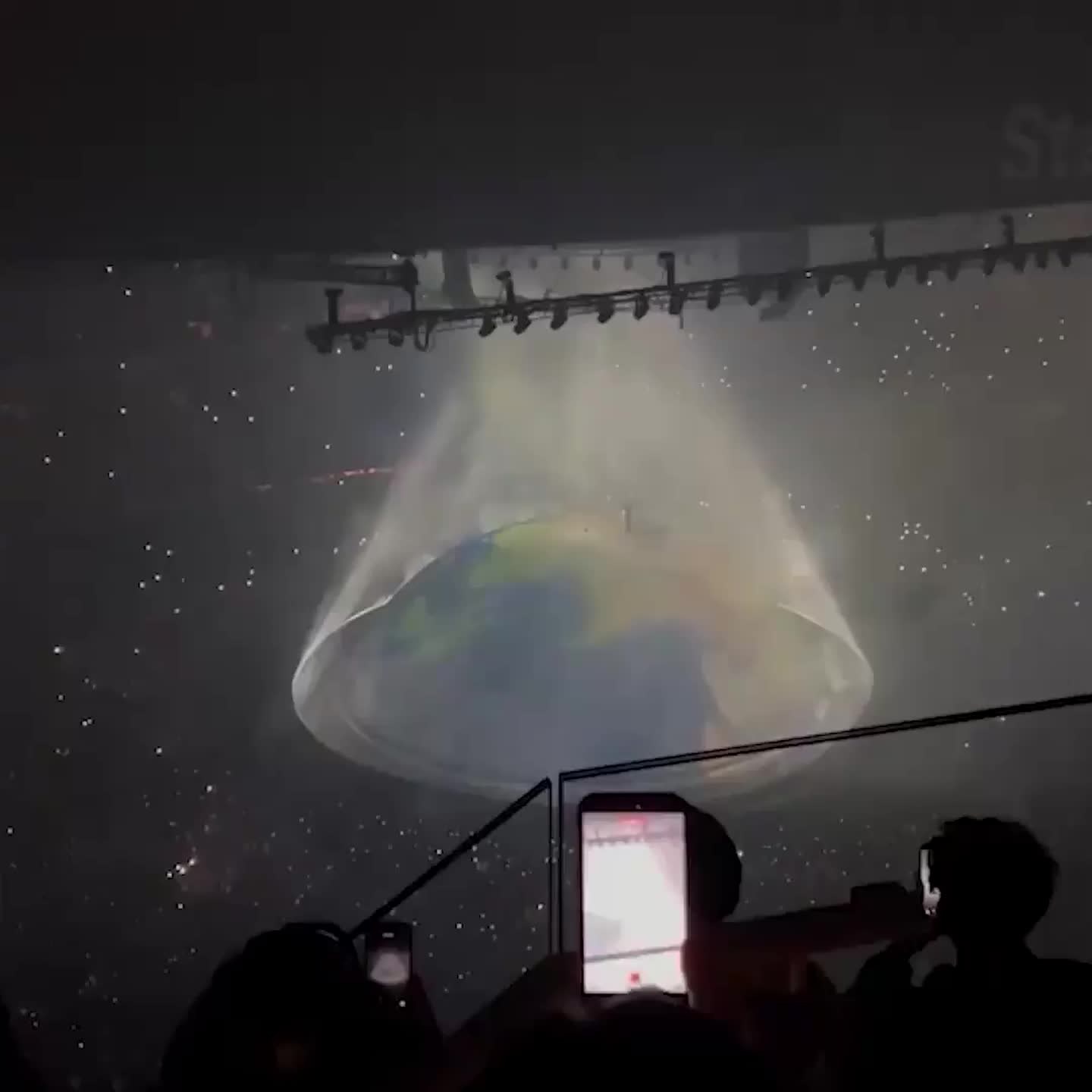
The recent stadium show in Los Angeles marks a significant, visible attempt to re-engage with the public sphere. It’s a deliberate strategy to reclaim narrative control, shifting focus from the controversies back to his artistic output. However, the effectiveness of such a move is debated by experts. Dr. Lena Petrova, a media psychologist, explains, “A grand public performance can serve as a powerful symbol, but true redemption requires more than spectacle. It often involves a period of reflection, genuine outreach to affected communities, and a sustained commitment to anti-hate principles. The public is looking for demonstrable change, not just a return to the stage.”
The siblings Wendell and Whitney Cole represent two divergent paths of audience response. Wendell’s continued connection to Ye’s art, exemplified by his engagement with the “Graduation” album and his attendance at the recent show, highlights the enduring power of artistic legacy. Whitney’s diminished fandom, however, reflects a segment of the audience that finds the artist’s actions unforgivable, regardless of his musical talent. This split in audience reception means that any attempt at redemption will likely be met with both fervent support and staunch opposition, making a universally accepted comeback improbable.
The Challenge of Rebuilding Trust
Rebuilding trust after causing significant harm is a multi-faceted challenge that extends beyond artistic merit. For Ye, this involves not only addressing the direct impact of his antisemitic and racist remarks but also acknowledging the broader implications of his platform. Hate speech, regardless of its source, can embolden others and create a more hostile environment for targeted groups. Therefore, any credible bid for redemption must include a clear and unequivocal rejection of such ideologies, coupled with actions that actively counter them.
Cultural critic Marcus Bell argues, “Redemption narratives are often dictated by the offended parties. Without demonstrable steps towards reconciliation and education, any perceived ‘return’ risks being seen as an attempt to outrun accountability rather than truly atone for past wrongs.” The stadium performance can be interpreted as one such step, but it is likely to be insufficient on its own. The public will be watching for more substantive actions, such as direct engagement with Jewish advocacy groups or educational initiatives aimed at combating prejudice. The success of Ye’s redemption arc, therefore, hinges not just on his ability to perform but on his capacity to demonstrate genuine growth and a commitment to making amends for the profound damage caused by his words.
The ongoing narrative surrounding Ye’s public life illustrates a broader societal debate about accountability and forgiveness in the era of mass media. As he continues his attempts to re-establish himself, the public will weigh his artistic contributions against the severity of his past statements. The path to redemption, if it is to be achieved, will require a consistent demonstration of character that goes far beyond the performance of music, necessitating a deep and sustained engagement with the issues his statements have raised.
Frequently Asked Questions
Q: What prompted Kanye West’s attempt at redemption?
Kanye West, professionally known as Ye, is seeking redemption following widespread condemnation for antisemitic and racist statements made in late 2022. This public effort includes returning to live performances and engaging with fans, signaling a desire to rebuild his image after significant backlash.
Q: How are fans reacting to Kanye West’s comeback?
Fan reactions are mixed, reflecting the ongoing controversy surrounding Ye’s past remarks. While some loyal fans, like those attending his recent U.S. stadium show, still connect with his artistic output, others, like Whitney Cole, have grown distant due to his actions. Re-establishing trust remains a significant challenge.
Q: What kind of statements did Kanye West make?
In late 2022, Kanye West (Ye) made a series of public statements that were widely condemned as antisemitic and racist. These remarks led to significant backlash, including the termination of lucrative business partnerships and widespread public criticism.
📰 Related Articles
- Super Mario Galaxy Movie Shatters 2026 Box Office With $372.5 Million Debut
- Ryan Gosling’s ‘Project Hail Mary’ Film Fuels Book Sales Surge
- Amazon Studios Scores Record‑Breaking Box Office with ‘Project Hail Mary’
- BTS’s Seoul Comeback Sets New Revenue Benchmarks, Aiming to Top Swift’s $2 Billion Concert Earnings
