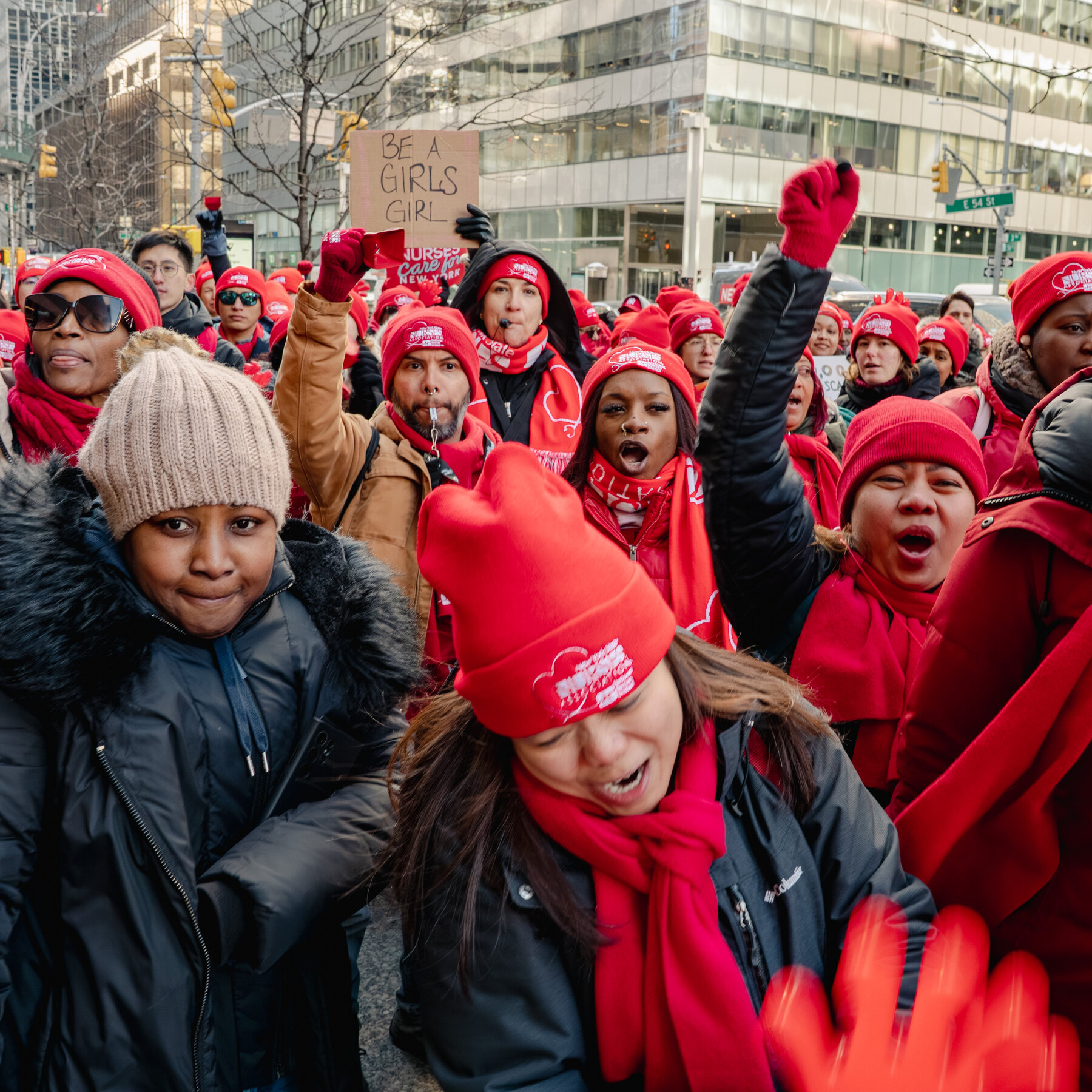
NURSES’ STRIKE—A nearly six-week strike by nurses at New York City hospitals has come to an end after workers at NewYork-Presbyterian/Columbia hospital voted to approve a new contract. The deal, which includes significant raises and layoff protections, paves the way for more than 4,000 nurses to return to work.
Strike Overview and Context
Introduction to the Strike
The New York nurses’ strike, which began over six weeks ago, was a significant labor relations event in the United States. It involved nurses from several major hospitals in New York City, including NewYork-Presbyterian/Columbia, Montefiore Medical Center, and Mount Sinai Hospital, among others. The primary issues at the heart of the strike were concerns over staffing ratios, patient care, compensation, and benefits.
Key Demands and Negotiations
Nurses were seeking improved working conditions, including better staffing ratios to ensure safer patient care. They also demanded higher wages to reflect the cost of living in New York City and to be more competitive with what nurses are paid in other parts of the country. The negotiations were complex, with both sides engaging in extensive discussions to reach a mutually agreeable contract.
The New Contract and Its Provisions
Contract Details
The newly approved contract between the nurses and NewYork-Presbyterian/Columbia hospital includes significant provisions aimed at addressing the concerns that led to the strike. Key among these are substantial pay increases for the nurses, which are designed to help recruiting and retention efforts in a highly competitive job market. Additionally, the contract includes layoff protections, which are crucial for job security in an era of healthcare restructuring and cost-cutting measures.
Impact on Nursing Staff and Patient Care
The contract’s emphasis on staffing ratios and workplace safety is expected to have a positive impact on both the nursing staff and patient care. By ensuring that nurses are not overly burdened with too many patients, the quality of care is likely to improve, and nurses will be less likely to experience burnout, a common issue in the healthcare profession.
Broader Implications for the Healthcare Industry
Industry-Wide Implications
The resolution of the New York nurses’ strike and the terms of the new contract have broader implications for the healthcare industry. The agreement sets a precedent for other nursing unions and hospitals across the country, potentially influencing labor negotiations and the push for better working conditions and compensation. It highlights the growing trend of healthcare workers advocating for their rights and the need for hospitals to prioritize both patient care and employee well-being.
Future of Labor Relations in Healthcare
The strike and its outcome also underscore the evolving nature of labor relations in the healthcare sector. As the demand for quality healthcare services continues to grow, and the workforce faces increasing pressures, the relationship between healthcare providers and their employees will become increasingly important. The ability of hospitals and healthcare systems to attract, retain, and support their nursing staff will be critical to their success and the quality of care they provide.
Conclusion and Next Steps
StrikeConclusion and Return to Work
With the approval of the new contract by the last holdout group of nurses, the strike has officially come to an end. Nurses are expected to return to work, providing a relief to patients and families who have been affected by the strike. The return to normal operations will be gradual, with hospitals working to ensure a smooth transition and minimal disruption to patient care.
Lessons Learned and Future Outlook
The New York nurses’ strike serves as a reminder of the importance of labor relations and the role of nursing staff in the healthcare system. It highlights the need for ongoing dialogue and collaboration between healthcare providers and their employees to address evolving challenges and ensure the delivery of high-quality patient care. As the healthcare landscape continues to change, the lessons learned from this strike will be invaluable in navigating future labor relations and in prioritizing the well-being of both patients and healthcare workers.
