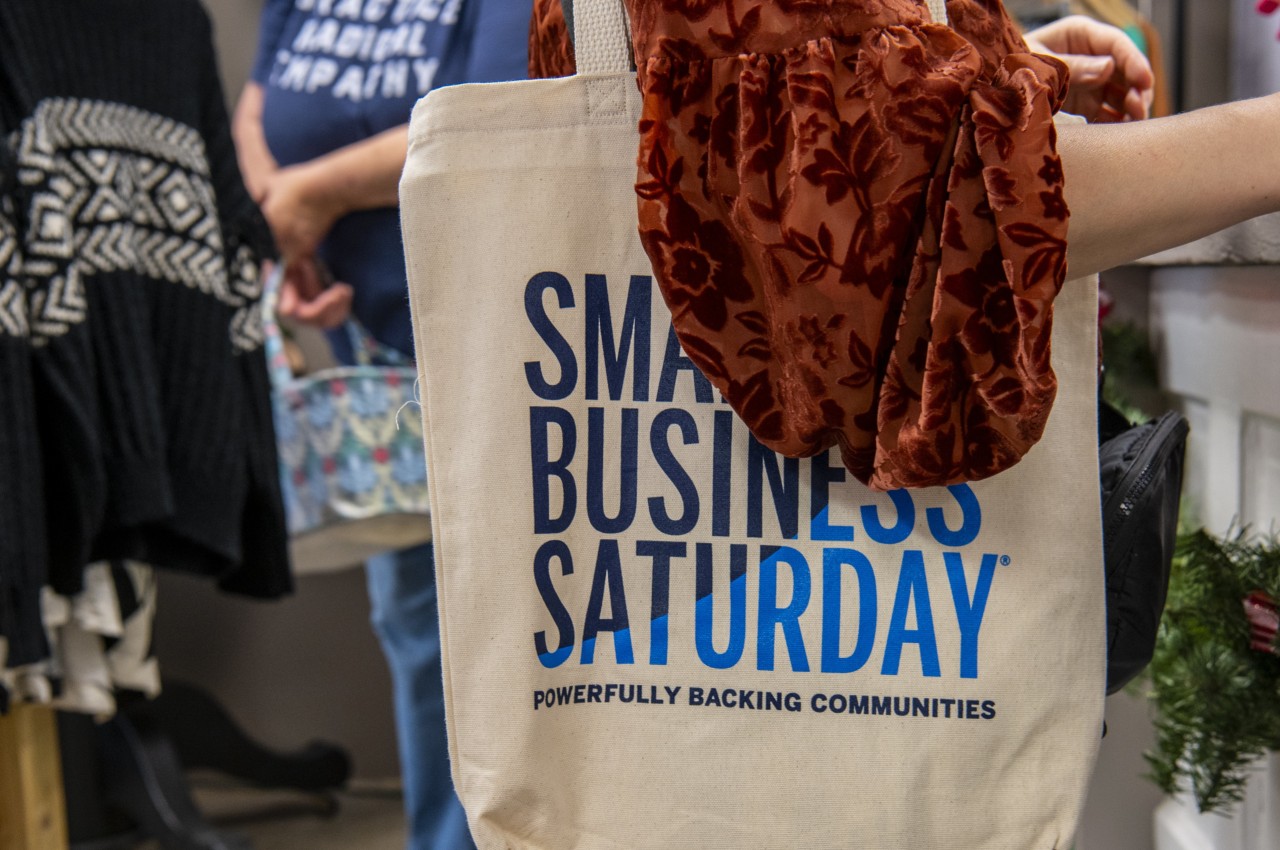
SMALL BUSINESSES—In a significant shift, small businesses have become the biggest new fans of 401(k)s, driven in part by the introduction of new plan types such as the pooled employer plan, or PEP. This change has granted millions more small-business employees access to 401(k)-style retirement plans, marking a substantial expansion in retirement savings opportunities for this group.
The Rise of Pooled Employer Plans
Introduction to PEPs
Pooled Employer Plans (PEPs) have emerged as a game-changer for small businesses looking to offer their employees retirement savings options. Unlike traditional 401(k) plans, which can be costly and administratively burdensome for small firms, PEPs allow multiple employers to pool their resources into a single plan. This pooling not only reduces the administrative workload but also decreases the costs associated with plan management, making retirement plans more accessible to smaller entities.
Ease of Administration
One of the primary barriers for small businesses considering a 401(k) plan has been the administrative complexity. PEPs simplify this process by designating a pooled plan provider to handle most of the administrative tasks. This provider is responsible for ensuring the plan is compliant with relevant laws and regulations, such as the Employee Retirement Income Security Act of 1974 (ERISA), thereby reducing the liability and workload for participating employers.
Cost Savings
Beyond the administrative ease, PEPs offer significant cost savings. By pooling resources, small businesses can negotiate better rates with service providers, such as investment managers and record-keepers. This economies-of-scale approach means that the per-participant costs are lower, making it more feasible for small businesses to offer a competitive retirement plan to their employees.
Impact on Small Business Employees
Increased Access to Retirement Plans
The proliferation of PEPs and other innovative 401(k) plan designs has led to a considerable increase in the number of small business employees with access to retirement savings plans. This expansion is crucial for the financial well-being of these employees, as it provides them with a structured way to save for retirement. Given that many small businesses were previously unable to offer such benefits due to cost and administrative constraints, the advent of PEPs has leveled the playing field, enabling these employees to better prepare for their retirement.
Improved Financial Security
Having access to a 401(k)-style plan can significantly improve an individual’s financial security in retirement. Contributions to these plans are typically made before taxes, reducing an individual’s taxable income, and the funds grow tax-deferred. This means that over time, even modest, consistent contributions can grow into a substantial nest egg, providing a critical source of income in retirement. Furthermore, many employers offer matching contributions, which can substantially boost an employee’s retirement savings.
of Retirement Savings for Small Businesses
Trends and Innovations
The increased adoption of PEPs and similar plans among small businesses signals a broader trend towards enhancing employee benefits in a competitive labor market. As the workforce evolves and employee expectations change, small businesses are recognizing the importance of offering comprehensive benefits packages, including retirement plans, to attract and retain top talent. This shift is also driven by regulatory changes and the introduction of new plan types designed to address the specific needs and constraints of small businesses.
Policy and Regulatory Outlook
Policymakers and regulators play a crucial role in shaping the retirement savings landscape for small businesses. Encouraging the adoption of PEPs and other innovative plan designs through favorable regulations and incentives can further increase access to retirement plans for millions of employees. Additionally, ongoing efforts to simplify plan administration and reduce costs will be essential in ensuring that these benefits remain accessible and appealing to small businesses and their employees.
