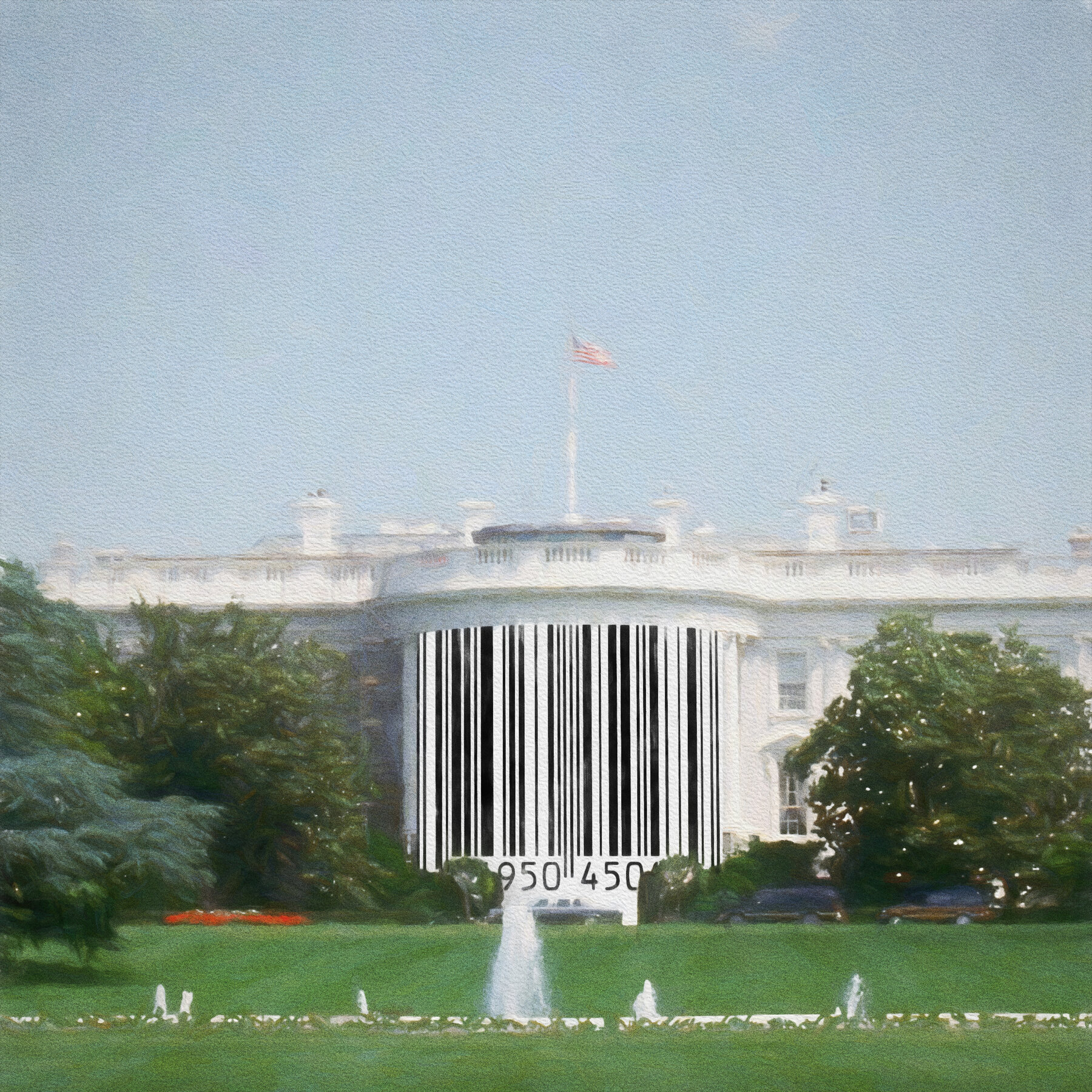
TRUMP ADMINISTRATION—The Trump administration’s economic policy has raised questions about its adherence to traditional free market capitalist principles. With a penchant for making handshake deals with chief executives and taking stakes in private companies, the president’s approach has drifted significantly from the ideologies that have long defined the Republican Party. But is this still capitalism, or has it evolved into something entirely different?
The Evolution of Republican Economic Policy
Introduction to Free Market Capitalism
Free market capitalism, characterized by private enterprise, competition, and minimal government intervention, has been a cornerstone of Republican economic ideology. However, the Trump administration’s policies have sparked debate about whether they align with these principles.
The Role of Government in the Economy
The government’s role in the economy is a critical aspect of free market capitalism. Traditionally, Republicans have advocated for limited government intervention, believing that the market can self-regulate and allocate resources more efficiently than the government. However, the Trump administration’s approach has been more interventionist, with the president actively engaging with business leaders and using his executive power to influence economic decisions.
The Impact of Handshake Deals on Free Market Capitalism
The Rise of Handshake Deals
One of the distinctive features of the Trump administration’s economic policy has been the use of handshake deals with chief executives. These informal agreements have been criticized for lacking transparency and undermining the principles of free market capitalism. By relying on personal relationships and deal-making, the president has created an environment where companies may feel pressured to comply with his requests, potentially distorting market forces.
Case Studies: Examples of Handshake Deals
Several high-profile examples illustrate the Trump administration’s use of handshake deals. For instance, the president’s agreement with Carrier Corporation to keep jobs in the United States was widely publicized. While this deal was hailed as a success, critics argue that it sets a dangerous precedent, as it relies on government intervention and may create an uneven playing field for other businesses.
Stakes in Private Companies: A Challenge to Free Market Principles
The President’s Stakes in Private Companies
The Trump administration’s decision to take stakes in private companies has raised concerns about the blurring of lines between public and private interests. By investing in companies, the government may be seen as favoring certain businesses over others, potentially creating an uneven playing field and undermining the principles of free market capitalism.
Potential Consequences for the Economy
The long-term consequences of the Trump administration’s economic policies are still uncertain. However, if the trend of government intervention and stake-taking in private companies continues, it may lead to a shift away from traditional free market capitalism and toward a more state-led economic model.
Is This Still Capitalism?
Defining Capitalism
Capitalism is often defined as an economic system characterized by private ownership, competition, and the creation of goods and services for profit. However, the Trump administration’s policies have led some to question whether the United States is still a capitalist economy.
Alternative Economic Models
Some argue that the Trump administration’s approach is more akin to a state-led economic model, where the government plays a significant role in guiding economic decisions. Others propose that the United States is evolving toward a unique blend of capitalism and state intervention, which could have far-reaching implications for the global economy.
Conclusion: The Future of Free Market Capitalism
Implications for the Republican Party
The Trump administration’s economic policies have sparked a debate within the Republican Party about the future of free market capitalism. As the party reassesses its stance on economic issues, it must confront the possibility that its traditional adherence to free market principles may be evolving.
A New Economic Paradigm?
The intersection of government intervention, private enterprise, and global economic trends may be giving rise to a new economic paradigm. As the world watches the Trump administration’s economic policies unfold, one thing is clear: the future of free market capitalism hangs in the balance, and its evolution will have far-reaching consequences for the global economy.
