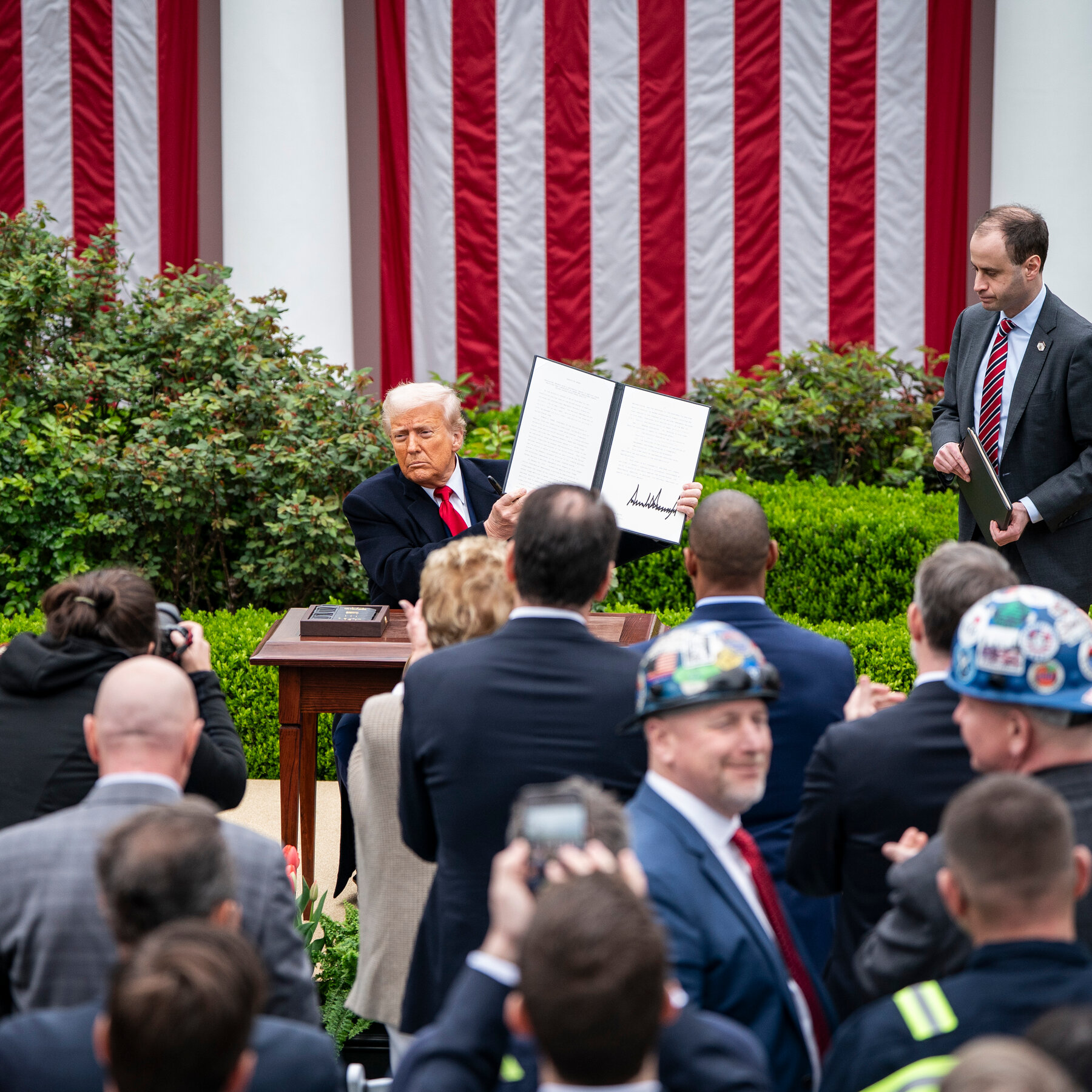
TRADE WAR—The Trump administration’s aggressive trade policies, characterized by a fervent embrace of tariffs, have been a hallmark of its economic strategy. A recent rebuke from the Supreme Court, however, has done little to deter the president’s resolve on the issue. With a steadfast commitment to his trade agenda, Trump continues to argue that his approach is yielding positive results, despite a lack of substantial evidence to support such claims.
The Tariff Toolbox: Understanding Trump’s Trade Strategy
Introduction to Tariffs
The use of tariffs as a tool in international trade is not new, but the Trump administration’s reliance on them has been particularly noteworthy. Tariffs are taxes imposed on imported goods, designed to protect domestic industries by making foreign products more expensive. Trump’s approach has been to use tariffs as a bargaining chip, aiming to renegotiate trade deals and reduce the U.S. trade deficit.
Economic Impact of Tariffs
Despite the administration’s assertions of success, the economic impact of tariffs has been mixed. While some domestic industries have seen benefits, such as the steel industry, others have suffered due to increased costs of imported materials and retaliatory tariffs from other countries. The overall effect on the economy has been a subject of debate, with many economists arguing that the tariffs have led to higher prices for consumers and reduced economic growth.
Supreme Court Rebuke and Its Implications
The recent Supreme Court decision rebuking the Trump administration’s trade policies marks a significant legal challenge to the president’s authority on trade matters. The decision, while not directly overturning any specific tariffs, sets a precedent that could limit the administration’s ability to unilaterally impose tariffs in the future. This development adds a new layer of complexity to Trump’s trade gamble, as the administration must now navigate not only international diplomatic and economic challenges but also domestic legal hurdles.
Power Dynamics: Who Holds the Reins in Trump’s Trade Policy
Trump’s Leadership on Trade
At the center of the Trump administration’s trade policy is the president himself. Trump’s personal views on trade, often expressed through Twitter and public statements, have driven the agenda. His belief in the necessity of a strong, protectionist stance to correct perceived trade injustices has been a guiding principle. However, this approach has also been criticized for its unpredictability and potential for escalation.
Role of Advisers and Cabinet Members
Behind Trump’s trade policy are various advisers and cabinet members who play crucial roles in shaping and implementing the strategy. Figures such as Robert Lighthizer, the U.S. Trade Representative, and Peter Navarro, a key adviser on trade, have been instrumental in crafting the details of the administration’s trade agenda. Their influence, combined with Trump’s leadership, has resulted in a policy that is both controversial and complex.
Congressional Oversight and the Supreme Court’s Role
The system of checks and balances in the U.S. government means that the executive branch’s power on trade policy is not absolute. Congress has the authority to oversee and, to some extent, direct trade policy, although the Trump administration has often acted unilaterally. The Supreme Court’s recent decision underscores the judiciary’s role in ensuring that executive actions, including those related to trade, comply with the law and the Constitution. This interplay between branches of government will continue to shape the trajectory of Trump’s trade gamble.
Stakes and Stakeholders: Assessing the Impact of Trump’s Trade Policy
Domestic Industries: Winners and Losers
The impact of Trump’s trade policy on domestic industries has been varied. Some sectors, like agriculture, have faced significant challenges due to retaliatory tariffs from countries affected by U.S. tariffs. Other industries, such as manufacturing, have seen benefits from the protectionist policies, albeit with concerns about long-term viability and global competitiveness. Understanding which industries are most affected and how they respond to the evolving trade landscape is crucial for assessing the policy’s overall success.
Global Partners and Allies: Reactions and Responses
Internationally, Trump’s trade policy has elicited a range of responses. Some countries have engaged in tit-for-tat tariff exchanges, while others have sought to negotiate new trade agreements with the U.S. The policy has also prompted discussions about the future of global trade, with some nations exploring alternative trade partnerships and agreements that exclude the U.S. The global reaction reflects the complexities and challenges inherent in Trump’s trade gamble.
Economic Consequences for Consumers and Investors
For consumers, the tariffs have meant higher prices for certain goods, affecting purchasing power and potentially altering consumption patterns. Investors have also been impacted, as the uncertainty surrounding trade policies can influence stock markets and investment decisions. The broader economic consequences, including the effects on inflation, employment, and economic growth, are subjects of ongoing debate and analysis.
Future of Trade: Navigating the Uncertainty of Trump’s Policies
Potential Outcomes and Scenarios
Looking ahead, the future of Trump’s trade policy is marked by uncertainty. Possible outcomes include the successful negotiation of new trade deals that meet the administration’s objectives, further escalation of trade tensions leading to a full-blown trade war, or a shift in policy as a result of political or economic pressures. Each scenario has significant implications for the global economy and trade landscape.
Lessons from History: Past Trade Wars and Their Consequences
Historical precedents offer valuable insights into the potential consequences of prolonged trade tensions. The Smoot-Hawley Tariff Act of 1930, for example, is often cited as a cautionary tale about the dangers of protectionism. Understanding these lessons can inform current policy decisions and contribute to more effective strategies for navigating the complexities of international trade.
Path Forward: Negotiations, Legislation, and Global Cooperation
As the Trump administration continues its trade gamble, the path forward will likely involve a combination of negotiations with trading partners, potential legislative actions, and efforts to promote global cooperation on trade issues. The success of these endeavors will depend on a variety of factors, including the ability of the U.S. to negotiate favorable terms, the response of other nations, and the evolution of the global trade environment.
