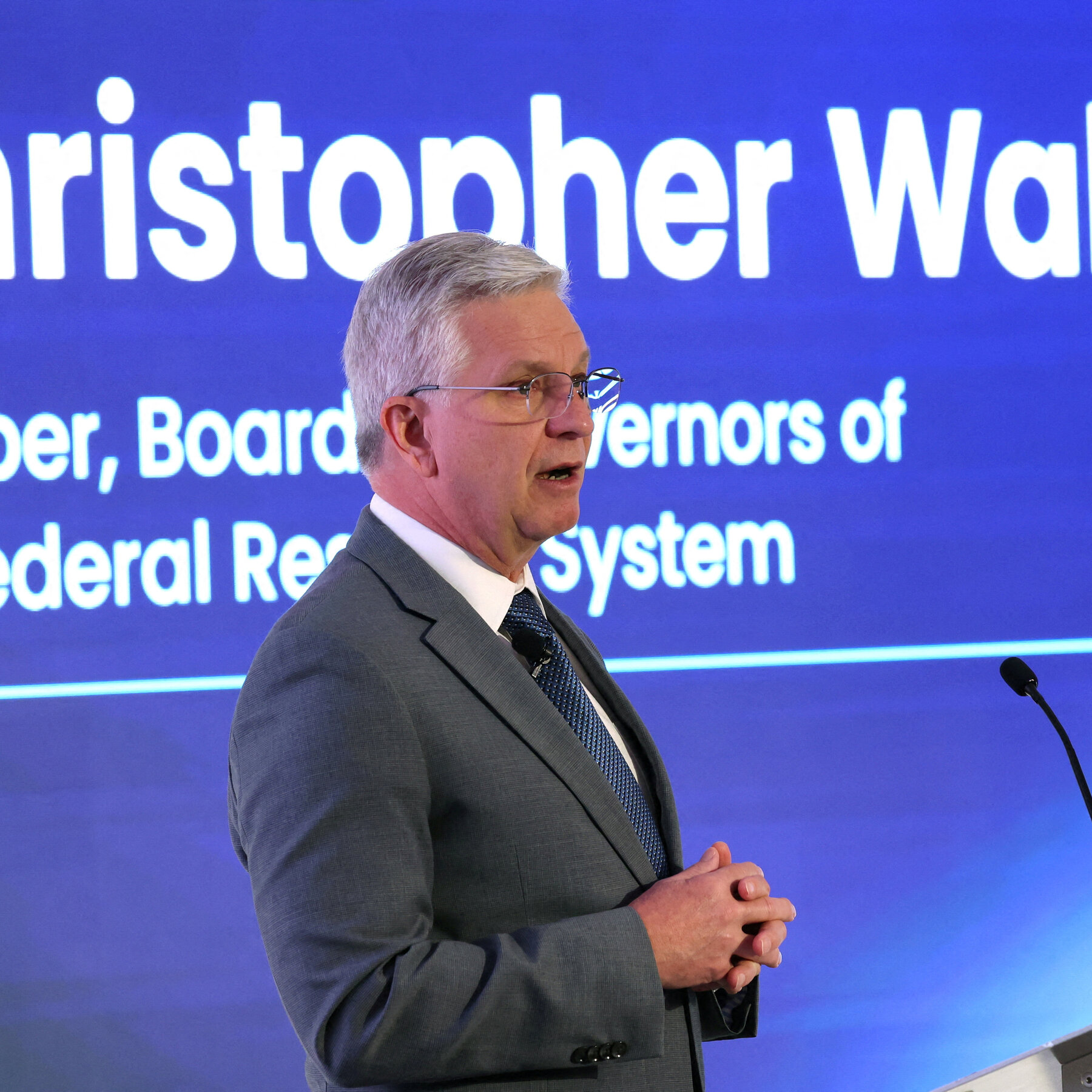
FEDERAL RESERVE—Federal Reserve Governor Christopher J. Waller indicated on Tuesday that the recent Supreme Court ruling on tariffs would have minimal impact on the central bank’s rate outlook, potentially paving the way for a pause in rate cuts if the labor market continues to stabilize.
Federal Reserve Monetary Policy in the Face of Tariff Uncertainty
Introduction to Fed Monetary Policy
The Federal Reserve, under its dual mandate to maximize employment and stabilize prices, closely monitors a wide range of economic indicators to inform its monetary policy decisions. Recent months have seen considerable uncertainty due to international trade tensions and the legal disputes surrounding tariffs.
The Supreme Court’s ruling on tariffs marks a significant development in this context, as it could influence both the direction of trade policies and the overall economic landscape. However, according to Governor Waller, this ruling may not significantly alter the Fed’s current trajectory regarding interest rates.
Impact of Tariff Rulings on Economic Outlook
Tariffs and trade policies have profound implications for the economy. They can affect inflation by altering the prices of imported goods, influence employment by impacting industries dependent on international trade, and overall economic growth by modifying the terms of trade and affecting business investment decisions.
Given the interconnected nature of the global economy, any major change in trade policies, such as those resulting from a Supreme Court ruling on tariffs, could theoretically necessitate a response from monetary policymakers. This might involve adjusting interest rates to mitigate potential inflationary pressures or to support economic growth in sectors negatively affected by tariffs.
Waller’s Perspective on Rate Cuts
Despite these potential impacts, Governor Waller’s comments suggest a cautious approach, emphasizing the importance of observing the labor market’s performance. If the labor market shows signs of stabilizing, Waller indicated support for a pause in rate cuts during the March meeting.
This stance underscores the Fed’s commitment to data-driven decision-making and its focus on fulfilling its dual mandate. The labor market has been a bright spot in the economy, with low unemployment rates and steady job growth. Stability in this sector could signal that the economy is on a more sustainable path, potentially reducing the need for further accommodation through rate cuts.
Potential Consequences of a Pause in Rate Cuts
Rationale Behind a Potential Pause
A pause in rate cuts in March, as suggested by Governor Waller, would reflect the Fed’s efforts to balance the need to support economic growth with the risk of overheating the economy or exacerbating inflationary pressures.
Such a move would be closely watched by markets, as it could signal a shift towards a more neutral monetary policy stance. The implications would be far-reaching, affecting everything from mortgage rates and consumer spending to business investment decisions and the broader trajectory of the economy.
Global Market Reactions and Expectations
Global financial markets are highly sensitive to signals from the Federal Reserve, given the dollar’s role as a global reserve currency and the influence of U.S. monetary policy on international capital flows.
A pause in rate cuts could lead to a strengthening of the dollar, as investors adjust their expectations about future monetary policy. This, in turn, could have implications for U.S. exporters and for economies heavily reliant on dollar-denominated transactions.
Economic Growth and Stability
The ultimate goal of the Fed’s monetary policy actions is to achieve and maintain maximum employment and price stability. A pause in rate cuts, signaling confidence in the labor market and the economy’s growth trajectory, would reflect the Fed’s nuanced approach to managing these twin objectives.
However, this approach must also consider the potential for unexpected economic shocks, whether from geopolitical events, further trade policy uncertainties, or other sources. The Fed’s commitment to flexibility and its willingness to adjust policy in response to changing economic conditions will remain crucial in navigating these challenges.
Conclusion: Navigating Monetary Policy in a Complex Economic Landscape
Challenges and Opportunities Ahead
As the Federal Reserve navigates the complexities of the current economic landscape, it must balance competing objectives and respond to a wide array of potential risks and opportunities.
The recent Supreme Court ruling on tariffs, while significant, is just one of many factors influencing the economic outlook. Governor Waller’s comments underscore the importance of a data-driven approach to monetary policy, emphasizing the need for careful consideration of labor market trends and other economic indicators.
Looking Forward: The Role of Monetary Policy in Economic Stability
Looking ahead, the Fed’s ability to adapt its monetary policy in response to evolving economic conditions will be critical. This includes being prepared to adjust the pace of rate cuts or even to hike rates if inflationary pressures emerge or if the economy shows signs of overheating.
Furthermore, the Fed must continue to communicate its strategy clearly to markets and the public, ensuring that its actions are predictable and consistent with its stated objectives. Transparency and credibility are essential in maintaining trust in the Fed’s management of the economy and in supporting the stability of financial markets.
Final Thoughts: The Delicate Balance of Monetary Policy
In conclusion, the path forward for monetary policy is fraught with challenges but also filled with opportunities. The Federal Reserve, led by officials like Governor Waller, must navigate this complex landscape with precision, always mindful of the delicate balance between supporting economic growth and maintaining price stability.
