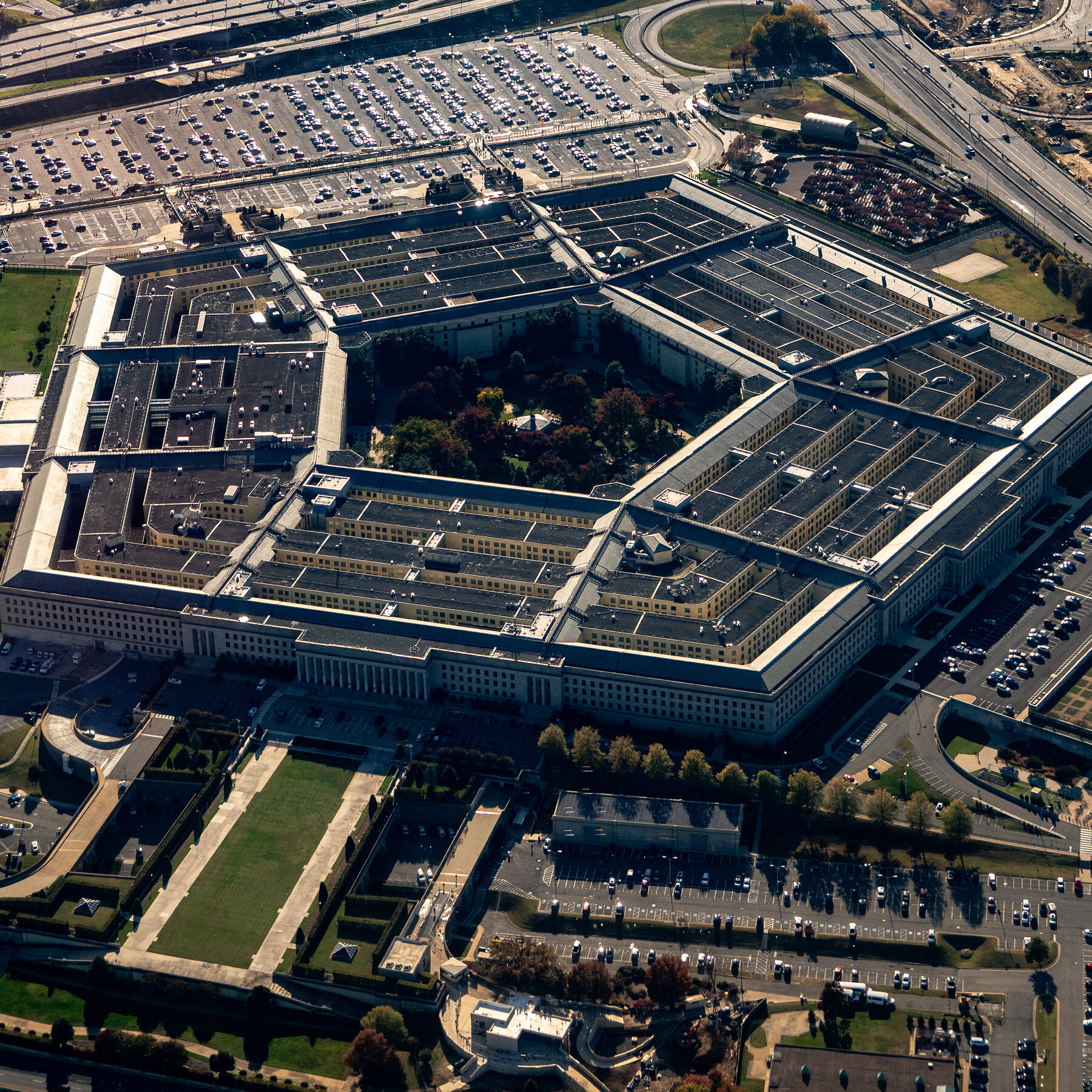
US MILITARY—The Pentagon is racing against time to spend $153 billion in added funds for the military, a sum that was pushed through by Republicans in a sweeping domestic policy bill. The Trump administration had ignored Congress’s demand for a plan on how the Defense Department would allocate the money, leading to a frantic effort to utilize the funds before they expire.
The Budget Boost and Congressional Oversight
The $153 billion increase in military funding was a significant win for Republicans, who had been pushing for a substantial boost in defense spending. However, the Trump administration’s lack of a clear plan for allocating the funds has raised concerns among lawmakers, who are seeking greater transparency and oversight.
Key Players and Interests
The Pentagon’s budget boost has significant implications for various stakeholders, including defense contractors, military personnel, and lawmakers. The administration’s inability to provide a comprehensive plan for spending the funds has created uncertainty and raised questions about the potential consequences of the increased funding.
Historical Context and Precedents
The current situation is not unprecedented, as previous administrations have also faced challenges in allocating sudden increases in funding. However, the scale and complexity of the current budget boost pose unique difficulties, and the administration’s response will be closely watched by lawmakers and other stakeholders.
Department of Defense Spending Priorities
The Pentagon’s spending priorities are a critical aspect of the budget allocation process. The department must balance competing demands for funding, including modernization efforts, personnel costs, and operational expenses. The administration’s plan for allocating the $153 billion will have significant implications for these priorities and will likely involve trade-offs between different programs and initiatives.
Modernization and Readiness
The military’s modernization efforts are a key priority, with a focus on emerging technologies such as artificial intelligence, cybersecurity, and hypersonic systems. The budget boost provides an opportunity to accelerate these efforts, but the administration must balance the need for modernization with the requirement to maintain current readiness and operational capabilities.
Personnel and Operational Costs
The Pentagon’s personnel costs, including salaries, benefits, and training, are a significant component of the budget. The administration must also consider operational expenses, such as fuel, maintenance, and logistics, which are essential for maintaining the military’s operational capabilities.
Congressional Reaction and Oversight
Lawmakers are closely watching the administration’s efforts to allocate the $153 billion in added funds, with some expressing concerns about the lack of transparency and oversight. Congressional committees are likely to hold hearings and conduct investigations to ensure that the funds are being spent efficiently and effectively.
Partisan Politics and Budget Negotiations
The budget boost has become a partisan issue, with Republicans advocating for greater defense spending and Democrats pushing for increased funding for domestic programs. The administration’s handling of the budget allocation process will be influenced by these partisan dynamics, which may impact the ultimate outcome and the degree of congressional oversight.
Long-term Consequences and Budget Implications
The current budget allocation process has significant implications for the long-term health of the military and the overall federal budget. The administration’s decisions will influence the trajectory of defense spending and may have consequences for other government programs and priorities.
The Role of the Trump Administration in Pentagon Spending
The Trump administration’s role in the Pentagon’s spending decisions has been a subject of controversy, with some critics arguing that the president’s priorities are driving the budget allocation process. The administration’s handling of the $153 billion in added funds will be seen as a test of its commitment to responsible stewardship of taxpayer dollars and its ability to work with Congress to achieve common goals.
Presidential Priorities and Policy Initiatives
The Trump administration has emphasized the need for a strong national defense, and the budget boost is seen as a key component of this strategy. However, the administration’s priorities must be balanced against the requirements of other government programs and the need for fiscal discipline.
Interagency Coordination and Cooperation
The Pentagon’s budget allocation process involves coordination with other government agencies, including the Office of Management and Budget and the State Department. The administration’s ability to work effectively with these agencies will be critical in ensuring that the $153 billion in added funds is spent efficiently and effectively.
of Pentagon Spending and Budget Allocation
The current budget allocation process is likely to have significant implications for the future of Pentagon spending and the overall direction of the military. The administration’s decisions will influence the trajectory of defense spending and may have consequences for other government programs and priorities.
Emerging Trends and Technologies
The military is facing a range of emerging trends and technologies, including the rise of China and the increasing importance of cybersecurity and artificial intelligence. The Pentagon’s budget allocation process must take these trends into account and ensure that the military is prepared to meet the challenges of the future.
Long-term Budget Implications and Fiscal Sustainability
The current budget allocation process has significant implications for the long-term health of the military and the overall federal budget. The administration’s decisions will influence the trajectory of defense spending and may have consequences for other government programs and priorities.
