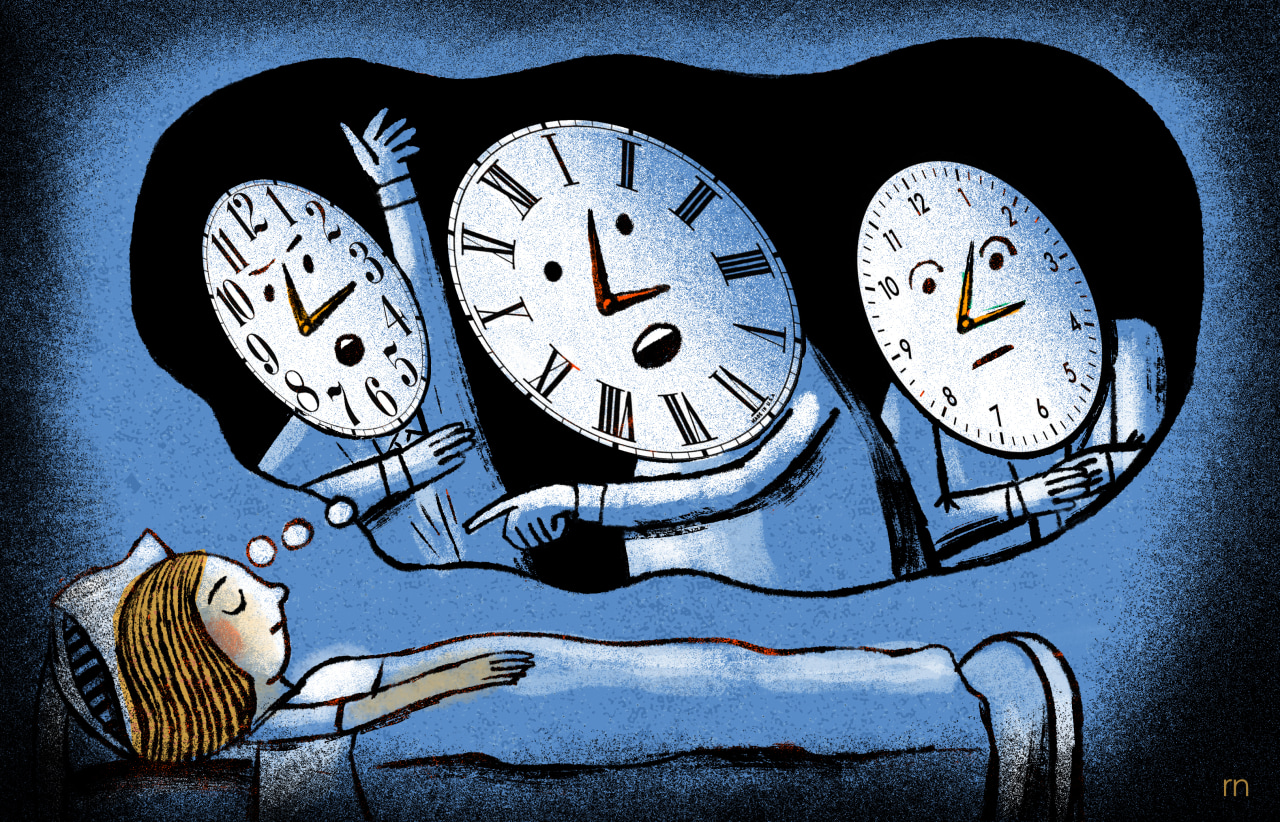
SLEEP HEALTH—Sleep, a fundamental aspect of human life, has become a source of shame for many. The pressure to conform to societal expectations of what constitutes a ‘good’ sleep schedule can be overwhelming, leading to feelings of guilt and inadequacy. But what if we told you that it’s time to stop feeling bad about your sleep and start focusing on getting a good night’s rest?
The Sleep Stigma
The Origins of Sleep Shame
Sleep shame is a pervasive issue that affects individuals from all walks of life. It’s rooted in the idea that we must adhere to a certain sleep schedule, often dictated by societal norms and expectations. This can lead to feelings of inadequacy and low self-esteem, particularly for those who struggle with sleep disorders or have non-traditional sleep patterns.
The Impact of Sleep Shame
The consequences of sleep shame can be far-reaching, affecting not only our mental health but also our relationships and overall well-being. It’s essential to recognize that sleep is a personal and highly individualized experience, and that there is no one-size-fits-all approach to achieving a good night’s rest.
Breaking Down the Barriers to Better Sleep
Challenging Societal Expectations
To overcome sleep shame, it’s crucial to challenge the societal expectations that perpetuate it. This involves recognizing that sleep is a unique and individualized experience, and that there is no single ‘right’ way to sleep. By embracing our differences and promoting a culture of acceptance, we can work towards creating a more sleep-friendly environment.
Strategies for Improving Sleep
So, how can we improve our sleep without succumbing to the pressure of societal expectations? It starts with developing a personalized sleep plan, one that takes into account our individual needs and circumstances. This may involve establishing a consistent sleep schedule, creating a sleep-conducive environment, and practicing relaxation techniques to calm the mind and body.
The Importance of Self-Care in Sleep
Prioritizing Sleep as Self-Care
Sleep is often viewed as a luxury, something that we can skimp on in favor of other activities. However, this mindset is misguided. Sleep is a fundamental aspect of self-care, essential for our physical and mental well-being. By prioritizing sleep and making it a non-negotiable part of our daily routine, we can improve the quality of our lives and enhance our overall health.
Practicing Self-Compassion
It’s also essential to practice self-compassion when it comes to sleep. This involves being kind to ourselves when we don’t meet our sleep expectations, and recognizing that it’s okay to have off days. By cultivating a sense of self-compassion, we can reduce the stigma associated with sleep and create a more positive relationship with rest.
Creating a Sleep-Friendly Culture
Normalizing Sleep Discussions
One of the most effective ways to break down the barriers to better sleep is to normalize sleep discussions. This involves talking openly and honestly about our sleep experiences, without fear of judgment or reprisal. By creating a culture where sleep is a topic of conversation, rather than a source of shame, we can work towards creating a more sleep-friendly environment.
Promoting Sleep Education
Education is also key to promoting a sleep-friendly culture. This involves providing individuals with the knowledge and resources they need to make informed decisions about their sleep. By promoting sleep education and awareness, we can empower individuals to take control of their sleep and improve the quality of their lives.
Conclusion: Embracing Sleep as a Journey
Embracing Sleep as a Journey
Sleep is a journey, not a destination. It’s a complex and highly individualized experience that requires patience, compassion, and understanding. By recognizing that sleep is a unique and personal experience, we can work towards creating a more sleep-friendly culture, one that promotes acceptance, self-care, and wellness.
A Final Thought
As we conclude our exploration of the sleep shame epidemic, we encourage you to reflect on your own relationship with sleep. Remember that sleep is a fundamental aspect of human life, and that it’s okay to take the time you need to rest and recharge. By embracing sleep as a journey, rather than a source of shame, we can improve the quality of our lives and enhance our overall well-being.
