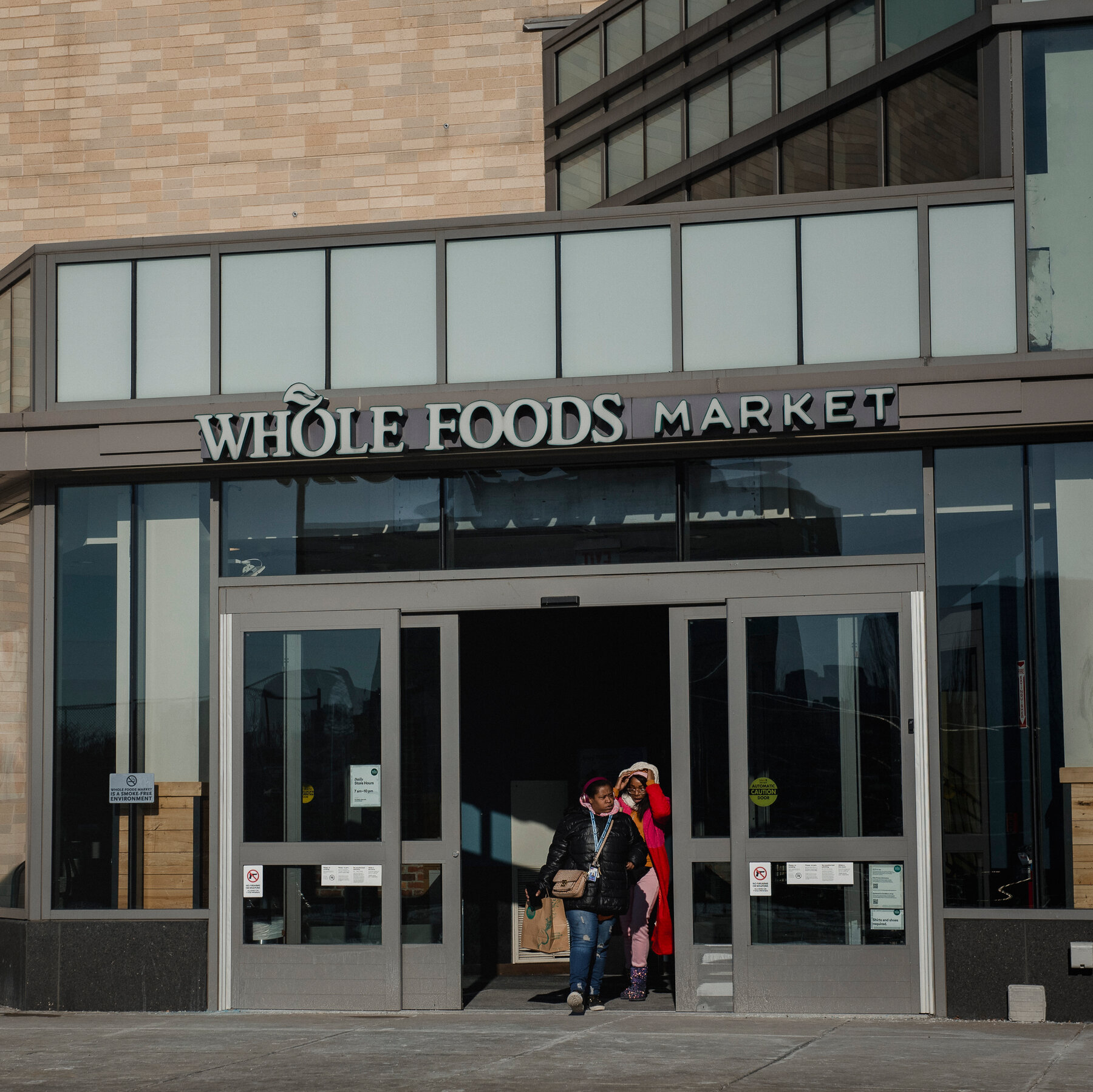
SUPREME COURT—In a significant decision, the Supreme Court has chosen to revive a lawsuit filed by a Texas couple against Whole Foods, alleging that baby food purchased from the store caused their young son to fall ill. The case raises important questions about consumer safety and corporate responsibility.
The Couple’s Claim: Understanding the Case Against Whole Foods
Introduction to the Case
The Texas couple at the center of the lawsuit claimed that their son became sick after consuming baby food purchased from a Whole Foods store. The specifics of the illness and the suspected contaminated product are crucial elements of the case, highlighting the need for stringent quality control measures in the food industry, particularly when it comes to products for vulnerable populations like infants.
Legal Basis for the Claim
The couple’s lawsuit is based on the premise that Whole Foods failed in its duty to ensure the products it sells are safe for consumption. This duty is a fundamental aspect of consumer protection law, which holds retailers and manufacturers accountable for the safety of their products. The legal basis of the claim delves into the nuances of product liability, negligence, and the responsibility of retailers in the supply chain.
Whole Foods’ Response and Defense Strategy
Whole Foods’ Initial Response
Upon learning of the allegations, Whole Foods would have likely conducted an internal investigation into the matter, examining the supply chain, storage, and handling procedures of the baby food in question. The company’s response would be critical in determining how it values customer safety and its commitment to transparency in the face of such serious allegations.
Defense Strategy
The defense strategy for Whole Foods might involve demonstrating that the company adheres to strict quality control measures, including regular testing of products for contaminants and adherence to food safety regulations. Whole Foods could also argue that the cause of the illness might not be directly linked to the baby food purchased at their store, highlighting the need for a thorough investigation into other potential causes.
The Role of the Supreme Court: Reviving the Lawsuit
Why the Supreme Court Intervened
The Supreme Court’s decision to revive the lawsuit indicates that there are significant legal questions at play that warrant further examination. The Court’s role in such cases is not only to interpret the law but also to ensure that the legal system provides adequate recourse for individuals who believe they have been harmed by corporate negligence or malfeasance.
Implications of the Supreme Court’s Decision
The decision to revive the lawsuit has broader implications for consumer protection and corporate accountability. It signifies that the judiciary is willing to scrutinize the practices of large corporations, particularly in industries where the stakes are high, such as food safety. This precedent could encourage more rigorous enforcement of safety standards and better protection for consumers.
Consumer Safety and Corporate Accountability
The Importance of Consumer Safety
At the heart of the lawsuit against Whole Foods is the critical issue of consumer safety. The case underscores the need for vigilance and rigorous standards in the production and sale of food products. Consumers have a right to expect that the products they purchase, especially those for infants and other vulnerable groups, are safe and free from contaminants.
Corporate Accountability
Corporate accountability is a complementary aspect of consumer safety. Companies must be held to high standards of responsibility, not only in their manufacturing processes but also in their responses to allegations of negligence or product defects. The willingness of a company to acknowledge mistakes, rectify them, and implement changes to prevent future occurrences is a key indicator of its commitment to consumer welfare.
Future Implications: A New Era in Consumer Protection?
Potential Changes in Legislation or Regulation
The outcome of the lawsuit and the Supreme Court’s involvement could prompt a reevaluation of current consumer protection laws and regulations, particularly those related to the food industry. If the court’s decision sets a precedent that holds retailers more accountable for the products they sell, it could lead to a shift in how companies approach quality control and consumer safety.
A New Era in Consumer Advocacy
The case might also galvanize consumer advocacy groups and raise awareness among the general public about the importance of vigilant consumerism. As consumers become more informed and demand higher standards from companies, the marketplace could see a significant shift towards greater transparency and accountability, ultimately benefiting both consumers and responsible corporations.
