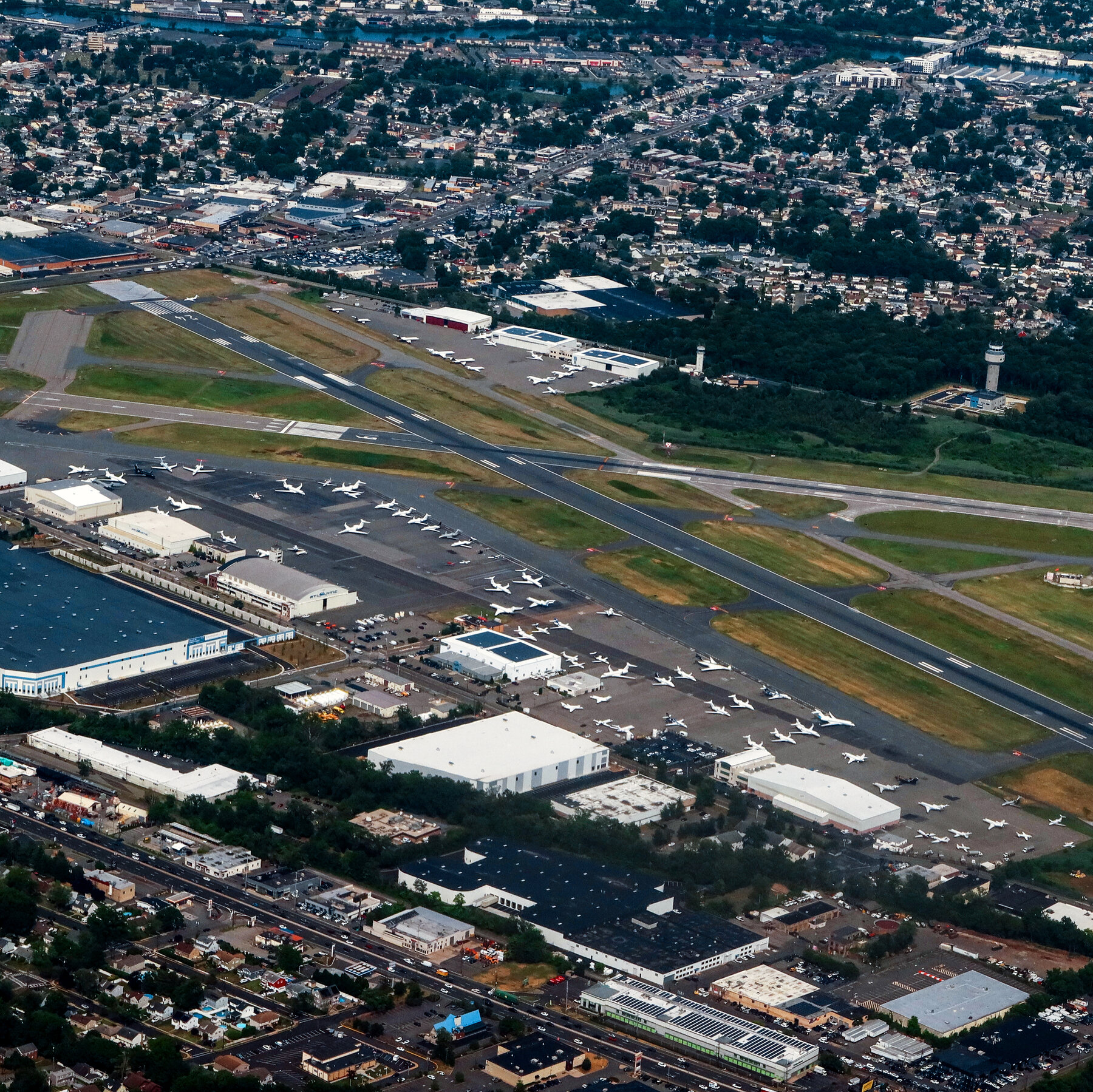
AVIATION SAFETY—A recent close call between two private planes near Teterboro, N.J., has become a rallying cry for advocates of a proposed aviation safety bill. The legislation, which aims to enhance collision prevention technology, has been gaining momentum in recent months. Proponents argue that the near miss on Feb. 13 highlights the urgent need for improved safety measures in the aviation industry.
The Teterboro Near Miss: A Wake-Up Call for Aviation Safety
Introduction to the Incident
The incident in question occurred on Feb. 13, when two private planes came perilously close to colliding near Teterboro Airport in New Jersey. The close call has sent shockwaves through the aviation community, with many experts and lawmakers citing it as a prime example of the need for enhanced safety protocols.
The Proposed Legislation
The aviation safety bill, which is currently making its way through Congress, seeks to mandate the implementation of advanced collision prevention technology in all private and commercial aircraft. The technology, which uses a combination of sensors and software to detect and prevent potential collisions, has been shown to be highly effective in reducing the risk of mid-air collisions.
Industry Response to the Proposed Legislation
The aviation industry has been largely supportive of the proposed legislation, with many experts acknowledging the need for improved safety measures. However, some have expressed concerns about the potential costs and logistical challenges associated with implementing the new technology.
The Economic and Human Costs of Aviation Accidents
The Human Cost of Aviation Accidents
Aviation accidents can have devastating consequences, resulting in the loss of life and causing significant emotional trauma to the families of those involved. In addition to the human cost, aviation accidents can also have significant economic implications, including damage to aircraft, liability costs, and losses to the aviation industry as a whole.
The Economic Benefits of Enhanced Safety Measures
Proponents of the aviation safety bill argue that the economic benefits of enhanced safety measures far outweigh the costs. By reducing the risk of aviation accidents, the industry can minimize the financial losses associated with accidents, while also enhancing its reputation and reducing the risk of costly lawsuits.
Case Studies of Successful Safety Initiatives
There are several examples of successful safety initiatives in the aviation industry, including the implementation of collision avoidance systems and the use of advanced weather radar technology. These initiatives have been shown to be highly effective in reducing the risk of accidents and improving overall safety.
The Regulatory Environment and the Role of Government
The Current Regulatory Framework
The current regulatory framework for aviation safety is complex and multifaceted, involving a range of government agencies and industry organizations. The Federal Aviation Administration (FAA) plays a critical role in overseeing the safety of the aviation industry, and is responsible for setting and enforcing safety standards.
The Role of Government in Promoting Aviation Safety
The government has a critical role to play in promoting aviation safety, through the provision of funding for safety initiatives, the establishment of safety standards, and the oversight of the aviation industry. The proposed aviation safety bill is an example of the government’s commitment to improving aviation safety, and demonstrates the importance of regulatory action in promoting safety.
International Cooperation and Aviation Safety
Aviation safety is a global concern, and international cooperation is critical to promoting safety standards and best practices. The International Civil Aviation Organization (ICAO) plays a key role in promoting global aviation safety, and provides a framework for international cooperation on safety issues.
of Aviation Safety: Emerging Trends and Technologies
Emerging Trends in Aviation Safety
The aviation industry is constantly evolving, with new technologies and trends emerging all the time. Some of the key trends in aviation safety include the use of artificial intelligence and machine learning to enhance safety, the development of more advanced collision avoidance systems, and the increasing use of unmanned aerial vehicles (UAVs).
The Potential of New Technologies to Enhance Safety
New technologies have the potential to significantly enhance aviation safety, by providing real-time data and insights, and enabling more effective risk management. The use of advanced materials and design techniques is also expected to play a critical role in improving the safety of aircraft.
Challenges and Opportunities in Implementing New Safety Technologies
While new technologies have the potential to significantly enhance aviation safety, there are also challenges and opportunities associated with their implementation. These include the need for significant investment in infrastructure and training, as well as the potential for cyber threats and other risks.
Conclusion: The Importance of Action on Aviation Safety
Summary of Key Points
In conclusion, the recent near miss between two private planes near Teterboro, N.J., highlights the urgent need for improved safety measures in the aviation industry. The proposed aviation safety bill is an important step towards addressing this need, and demonstrates the commitment of lawmakers to promoting aviation safety.
A Call to Action
It is critical that lawmakers and industry leaders take action to promote aviation safety, through the implementation of enhanced safety measures and the provision of funding for safety initiatives. The public also has a role to play, by staying informed about aviation safety issues and advocating for stronger safety standards.
Final Thoughts
In final thoughts, aviation safety is a critical concern that requires immediate attention and action. By working together, we can promote a safer and more secure aviation industry, and prevent tragedies like the recent near miss from occurring in the future.
