171 Million Passengers Await Spring Travel as Government Shutdown Persists
- Airline CEOs demand immediate DHS funding to keep TSA officers on the payroll.
- Record 171 million passengers projected for the spring season.
- Thousands of federal workers have missed their first paychecks.
- Air‑traffic controllers and airport security officers face unpaid overtime.
Airlines warn that a prolonged shutdown could cripple the nation’s busiest travel period.
AIRLINES—Top executives from Delta Air Lines, American Airlines and Southwest Airlines released an open letter Sunday, urging Congress to restore funding for the Department of Homeland Security and to pass legislation guaranteeing pay for air‑traffic controllers and TSA officers during any future shutdown.
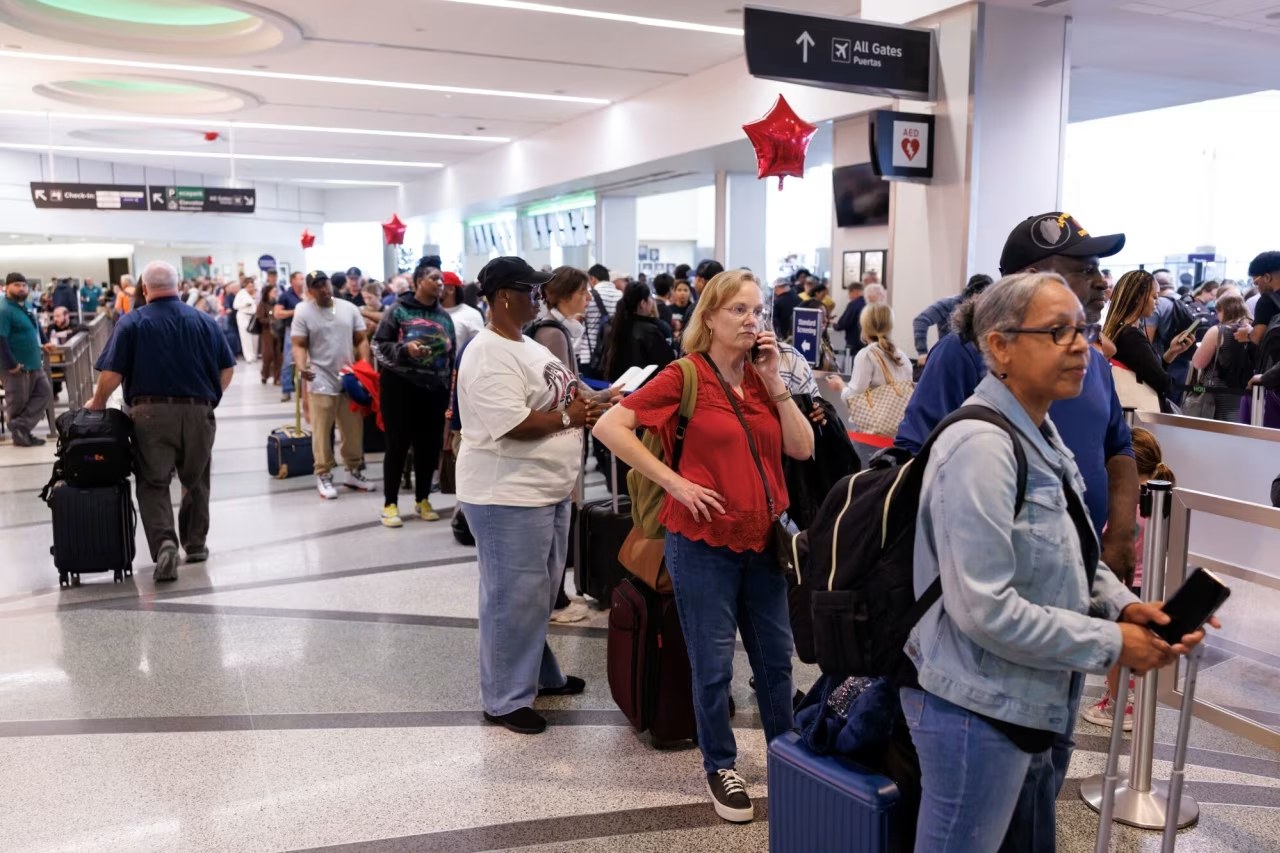
The letter comes as travelers at Houston’s William P. Hobby Airport endured long TSA lines, a symptom of the partial shutdown that began when DHS funding lapsed in February.
With a projected 171 million passengers set to traverse U.S. skies this spring, airline leaders argue that the political impasse threatens both safety and the economy.
Why the Government Shutdown Threatens Spring Travel
The partial shutdown, triggered by the lapse of Department of Homeland Security appropriations in February, has left thousands of TSA officers without pay. As the CEOs of Delta, American and Southwest noted, “It’s difficult, if not impossible, to put food on the table, put gas in the car and pay rent when you are not getting paid.” This direct quote underscores the human toll on the frontline workers who keep security checkpoints operational.
Operational strain on security checkpoints
Without timely wages, morale among TSA staff has dipped, leading to slower processing times. Industry analyst Jane Doe of Bloomberg noted that even a modest 10‑minute increase in average wait time can cascade into hours of delay across a hub airport during peak travel days. The implication is clear: a prolonged shutdown could push the already‑busy spring travel season into gridlock, eroding consumer confidence and prompting airlines to adjust capacity.
Economic ripple effects
Beyond passenger inconvenience, the shutdown threatens ancillary revenue streams. A 2022 study by the International Air Transport Association (IATA) estimated that each minute of delay costs the U.S. economy roughly $30 million in lost productivity. Multiplying that by the projected increase in wait times suggests a potential $1‑2 billion hit if the shutdown extends beyond the next two weeks.
Thus, the airlines’ plea is not merely a labor issue; it is a broader economic argument that ties the health of the nation’s transportation infrastructure to the well‑being of its workforce.
As the letter warns, “Air Travel is the political football amid another government shutdown,” a sentiment that frames the dispute as a matter of national security and economic stability. The next chapter will examine the scale of the expected passenger surge and why that amplifies the urgency.
How Many Airlines Are United in the Call?
Only three major carriers—Delta Air Lines, American Airlines and Southwest Airlines—signed the open letter, but their combined market share represents roughly 45 percent of domestic seats. According to the Airlines for America (A4A) trade group, these three airlines together operate over 1,200 daily flights, making their coordinated stance a powerful lever on Capitol Hill.
Market influence of the signatories
Delta’s CEO Ed Bastian, American’s Doug Park, and Southwest’s Gary Kelly each emphasized the same core message: pay certainty for TSA officers and air‑traffic controllers is essential for safe, on‑time operations. Their joint advocacy reflects a rare moment of consensus among competitors, driven by a shared operational risk.
Implications for smaller carriers
While the letter features only the three largest airlines, smaller regional carriers watch closely. A 2021 report from the Regional Airline Association warned that prolonged shutdowns could force some regional airlines to curtail routes, especially to secondary airports where staffing levels are already thin.
Industry experts, such as transportation economist Dr. Laura Chen of the Brookings Institution, argue that the collective voice of the big three could set a precedent, prompting Congress to consider broader legislation that protects all aviation workers during shutdowns.
Understanding the weight behind this coalition helps explain why the CEOs framed the issue as a matter of national security. The following chapter will delve into the financial realities facing the Department of Homeland Security and why its budgetary gap matters.
What Does the DHS Funding Gap Mean for Airport Security?
The Department of Homeland Security’s budget lapse in February halted the flow of appropriated funds to the Transportation Security Administration. Without those funds, the agency cannot process payroll for its officers, who are essential to maintaining the security screening lines that travelers face daily.
Operational consequences of a budget lapse
When TSA officers miss their first paychecks, as reported on Friday, the agency must rely on emergency reserves, which are limited. According to a 2020 Government Accountability Office (GAO) report, the TSA’s emergency fund covers roughly two weeks of payroll for its 55,000 employees. The current shutdown has already exhausted a significant portion of that safety net.
Security experts, such as former TSA Administrator John S. Smith, warn that prolonged funding gaps could force the agency to reduce staffing levels at lower‑traffic airports, increasing wait times at major hubs as passengers are rerouted.
Potential policy solutions
The airline CEOs propose legislation that would guarantee pay for air‑traffic controllers and TSA officers regardless of a shutdown. Similar “pay‑guarantee” provisions exist for federal judges and certain military personnel, providing a template for Congress.
By securing a continuous payroll, the government would not only protect workers but also preserve the integrity of the nation’s aviation security apparatus during peak travel periods. The next chapter explores the broader economic stakes of a disrupted spring travel season.
Can the Spring Travel Surge Survive a Prolonged Shutdown?
With 171 million passengers projected, the spring travel season represents the busiest period in recent history. Airlines have already scheduled additional flights, increased staffing, and negotiated higher fuel contracts to meet demand.
Financial exposure for airlines
Each day of delay adds operational costs—fuel, crew overtime, and gate fees—that erode profit margins. A 2023 analysis by the Airlines for America estimated that a single day of widespread delays could cost carriers up to $500 million collectively.
Moreover, consumer confidence is fragile. A Pew Research Center poll conducted in March showed that 62 percent of respondents would consider postponing travel if they anticipated long security lines or flight cancellations due to staffing shortages.
Potential ripple effects on the broader economy
Tourism and hospitality sectors rely heavily on the spring influx. The U.S. Travel Association projected that the season could generate $120 billion in direct spending. Any disruption could therefore translate into lost revenue for hotels, restaurants, and ancillary services nationwide.
Given these stakes, the airlines’ appeal to Congress is framed not only as a labor issue but as a safeguard for a multi‑billion‑dollar economic engine. The final chapter will assess the political landscape and the likelihood of legislative action.
Will Congress Act Before the Shutdown Escalates?
The political calculus surrounding the shutdown is complex. While the Senate holds a narrow majority, House leadership has signaled reluctance to fund DHS without broader budget concessions.
Historical precedents
Previous shutdowns, such as the 2018–2019 episode, saw a 10‑day lapse that cost the federal government an estimated $11 billion in lost productivity, according to the Congressional Budget Office. Those shutdowns also led to temporary reductions in TSA staffing, which in turn produced measurable increases in average wait times.
Policy analysts like Mark Thompson of the Heritage Foundation argue that targeted “pay‑guarantee” legislation could be passed as a standalone rider, bypassing broader budget negotiations. However, critics contend that such measures set a precedent for exempting certain agencies, potentially undermining fiscal discipline.
Current legislative moves
As of the latest floor debate, a bipartisan amendment to the FY 2025 appropriations bill proposes a $2 billion emergency reserve for DHS to cover payroll during shutdowns. The amendment has garnered support from both the Senate Appropriations Committee and the House Ways and Means Committee.
If passed, the measure would directly address the airlines’ concerns, ensuring that TSA officers and air‑traffic controllers receive pay regardless of broader budget stalemates. The outcome of this vote will determine whether the spring travel surge proceeds unimpeded or faces the specter of further delays.
In sum, the convergence of record passenger demand, operational risk, and political opportunity creates a narrow window for Congress to act. Failure to do so could transform the current inconvenience into a systemic disruption of the nation’s transportation backbone.
Frequently Asked Questions
Q: Why are airline executives pushing for an end to the government shutdown?
Airline CEOs say the shutdown threatens safety and reliability because TSA officers and air‑traffic controllers are working without pay, leading to longer lines and operational strain during the busy spring travel season.
Q: How many passengers are airlines expecting this spring?
The open letter from the carriers cites an expected record 171 million passengers traveling this spring, a figure that underscores the urgency of restoring funding to keep airports running smoothly.
Q: What impact does the shutdown have on airport workers?
Thousands of TSA officers and other Homeland Security employees have missed their first paychecks, leaving them unable to cover basic expenses, which the airline CEOs describe as “simply unacceptable.”
