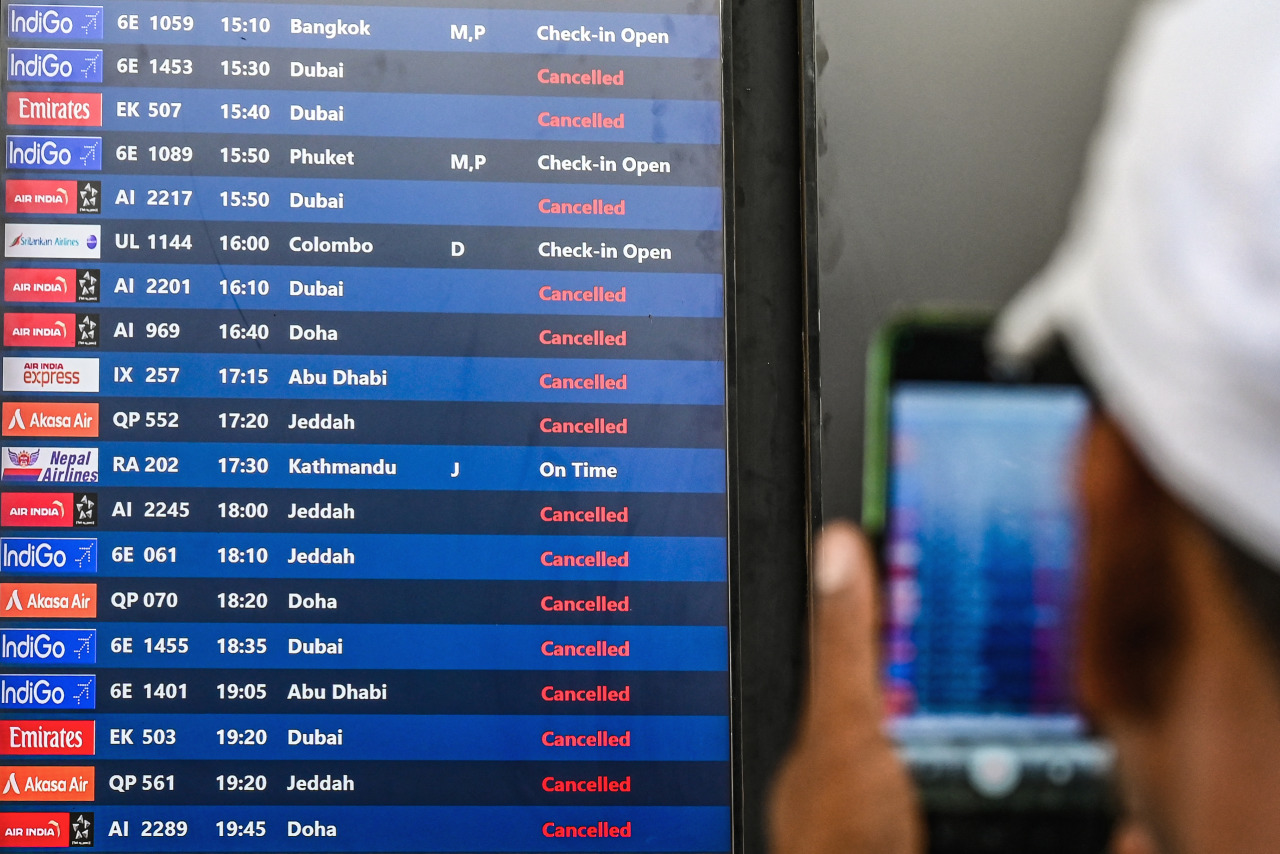
Airlines and Flight Cancellations
- Thousands of flights cancelled
- Higher Fuel Costs for airlines
- Complicated rerouting of flights
Airline Disruptions
AIRLINES—Airlines are facing significant disruptions due to recent events, with thousands of flight cancellations and higher fuel costs. The impact of these disruptions ‘far surpass’ those of past Middle East Conflicts.
The airline industry is grappling with the challenges of rerouting flights and managing the increased costs associated with these disruptions. As the situation continues to unfold, airlines are working to minimize the impact on their operations and customers.
The Impact of Disruptions on Airlines
Airlines are facing a multitude of challenges in the wake of recent disruptions, including thousands of flight cancellations. The sheer scale of these cancellations has put a significant strain on airline operations, with many carriers struggling to manage the fallout. According to reports, the disruptions have ‘far surpassed’ those experienced during past Middle East conflicts, highlighting the severity of the situation.
The financial impact of these disruptions should not be underestimated, with airlines facing higher fuel costs and increased expenses associated with rerouting flights. As the industry continues to grapple with these challenges, it is likely that passengers will also feel the effects, with potential delays and cancellations becoming more common.
Furthermore, the complications associated with rerouting flights are likely to have a lasting impact on the airline industry. With many flights being diverted or cancelled, airlines are having to adapt quickly to changing circumstances. This has placed a significant burden on airline staff, who are working tirelessly to minimize the disruption to passengers.
Despite these challenges, airlines are taking steps to mitigate the impact of the disruptions. This includes implementing contingency plans and working closely with regulatory bodies to ensure that flights can continue to operate safely and efficiently. As the situation continues to evolve, it is likely that airlines will face ongoing challenges in managing the disruption to their operations.
In conclusion, the disruptions faced by airlines are having a significant impact on the industry, with thousands of flight cancellations and higher fuel costs. As airlines work to manage the fallout, it is likely that passengers will also feel the effects, with potential delays and cancellations becoming more common. The complications associated with rerouting flights are likely to have a lasting impact on the airline industry, highlighting the need for effective contingency planning and collaboration between airlines and regulatory bodies.
Managing the Fallout of Flight Cancellations
The recent surge in flight cancellations has left many passengers stranded and seeking alternative arrangements. Airlines are working to manage the fallout, with many offering compensation and support to affected passengers. However, the sheer scale of the cancellations has made it challenging for airlines to respond quickly and effectively.
One of the key challenges faced by airlines is the need to reroute flights and manage the resulting complications. This has involved working closely with air traffic control and regulatory bodies to ensure that flights can continue to operate safely and efficiently. Despite these efforts, many passengers have experienced significant disruption, with some flights being cancelled or delayed by several hours.
The financial impact of the flight cancellations should not be underestimated, with airlines facing significant costs associated with compensating passengers and managing the disruption to their operations. According to reports, the disruptions have ‘far surpassed’ those experienced during past Middle East conflicts, highlighting the severity of the situation.
As airlines work to manage the fallout, it is likely that passengers will continue to feel the effects of the disruptions. This may include delays and cancellations, as well as increased costs associated with travel. However, airlines are taking steps to mitigate the impact, including offering support and compensation to affected passengers.
Furthermore, the airline industry is likely to face ongoing challenges in managing the disruption to their operations. This will require effective contingency planning and collaboration between airlines and regulatory bodies. By working together, the industry can minimize the impact of the disruptions and ensure that flights can continue to operate safely and efficiently.
In conclusion, the recent surge in flight cancellations has had a significant impact on the airline industry, with many passengers experiencing disruption and airlines facing significant costs. As the industry works to manage the fallout, it is likely that passengers will continue to feel the effects, with potential delays and cancellations becoming more common. However, by working together and implementing effective contingency plans, airlines can minimize the impact of the disruptions and ensure that flights can continue to operate safely and efficiently.
The Future of Airline Operations in the Face of Disruptions
The recent disruptions faced by airlines have highlighted the need for effective contingency planning and collaboration between airlines and regulatory bodies. As the industry continues to evolve, it is likely that airlines will face ongoing challenges in managing the disruption to their operations. However, by working together and implementing effective contingency plans, airlines can minimize the impact of the disruptions and ensure that flights can continue to operate safely and efficiently.
One of the key challenges faced by airlines is the need to balance the need for safety and efficiency with the need to minimize disruption to passengers. This has involved working closely with air traffic control and regulatory bodies to ensure that flights can continue to operate safely and efficiently. Despite these efforts, many passengers have experienced significant disruption, with some flights being cancelled or delayed by several hours.
The financial impact of the disruptions should not be underestimated, with airlines facing significant costs associated with compensating passengers and managing the disruption to their operations. According to reports, the disruptions have ‘far surpassed’ those experienced during past Middle East conflicts, highlighting the severity of the situation.
As airlines look to the future, it is likely that they will need to adapt to an increasingly complex and unpredictable operating environment. This will require effective contingency planning and collaboration between airlines and regulatory bodies. By working together, the industry can minimize the impact of the disruptions and ensure that flights can continue to operate safely and efficiently.
Furthermore, the airline industry is likely to face ongoing challenges in managing the disruption to their operations. This will require a concerted effort from all stakeholders, including airlines, regulatory bodies, and passengers. By working together, the industry can minimize the impact of the disruptions and ensure that flights can continue to operate safely and efficiently.
In conclusion, the recent disruptions faced by airlines have highlighted the need for effective contingency planning and collaboration between airlines and regulatory bodies. As the industry continues to evolve, it is likely that airlines will face ongoing challenges in managing the disruption to their operations. However, by working together and implementing effective contingency plans, airlines can minimize the impact of the disruptions and ensure that flights can continue to operate safely and efficiently.
