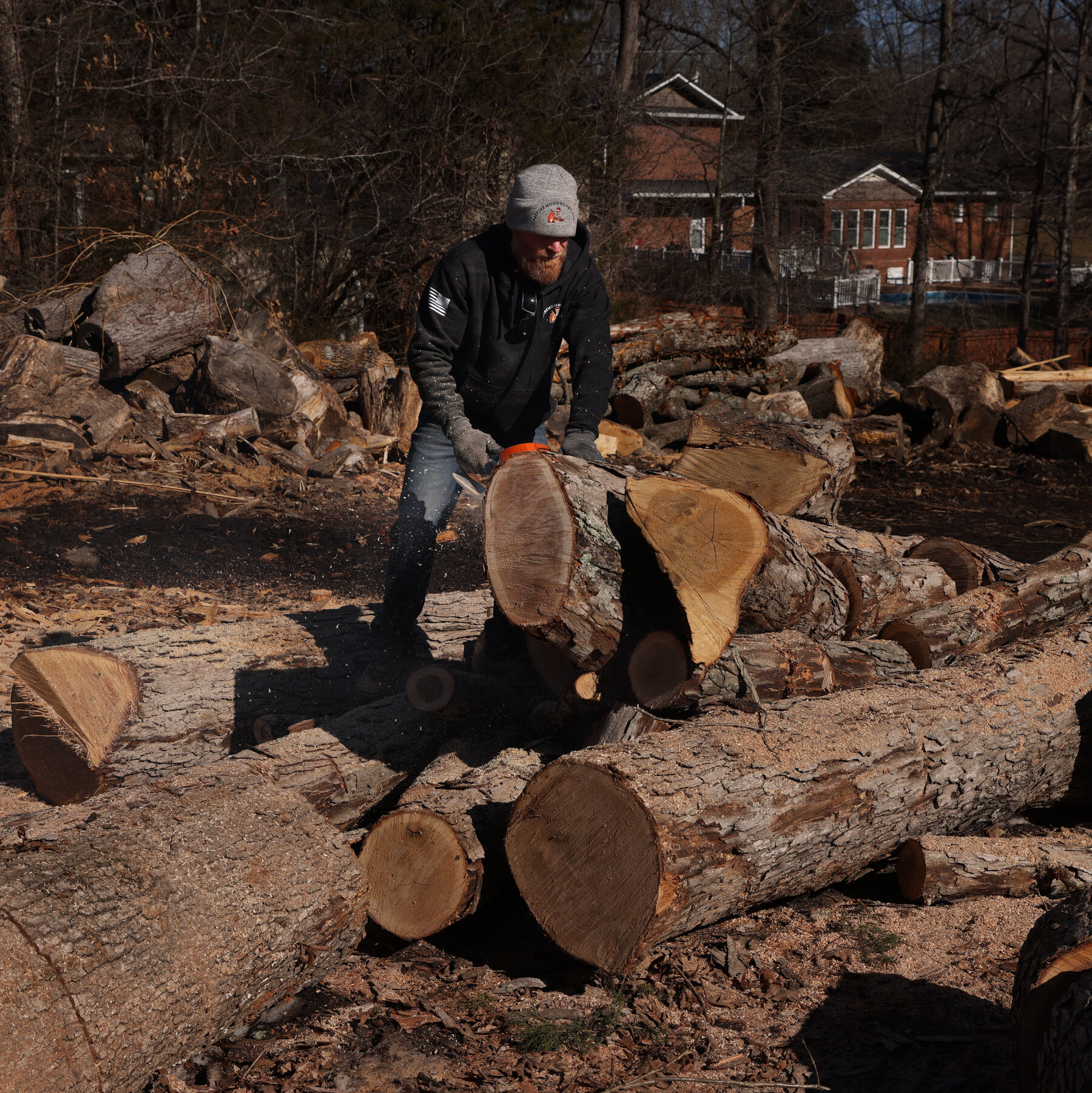
Winter’s Grip: How Freezing Temperatures Are Impacting Americans’ Choice of Heating
- Prolonged freezing temperatures across the US have led to a surge in firewood sales
- Manufactured fire logs are also in high demand as people seek alternative heating sources
- The energy crisis highlights the need for sustainable and efficient heating solutions
The Human Cost of Winter: How the Surge in Firewood Demand is Affecting Communities
The recent surge in firewood demand has significant implications for the environment, the economy, and human health. As the US struggles to cope with the prolonged winter storms, the increased reliance on firewood and manufactured fire logs raises concerns about air pollution, deforestation, and the impact on local ecosystems. Furthermore, the financial burden of purchasing firewood and other heating sources can be devastating for low-income households, exacerbating existing social and economic inequalities.
The environmental impact of the firewood demand surge is also a pressing concern. The increased burning of wood releases harmful pollutants into the atmosphere, including particulate matter, carbon monoxide, and volatile organic compounds. These pollutants can have severe health effects, particularly for vulnerable populations such as children, the elderly, and those with pre-existing medical conditions. As the US government and energy providers work to address the energy crisis, it is essential to consider the long-term sustainability of the nation’s heating solutions and the need for environmentally friendly alternatives.
The Perfect Storm: How Weeks of Freezing Temperatures Led to a Firewood Shortage
The winter storms that have swept across parts of the United States in recent weeks have brought with them temperatures that have plummeted to record lows. The prolonged period of freezing temperatures has put a significant strain on the nation’s energy infrastructure, leading to a surge in demand for firewood and manufactured fire logs. As people struggle to heat their homes, firewood suppliers have reported a shortage of stock, with some businesses experiencing a 50% increase in sales compared to the same period last year.
The shortage of firewood has been exacerbated by the fact that many suppliers had not anticipated the severity of the winter storms. As a result, they were caught off guard by the sudden increase in demand, leaving many without sufficient stock to meet the needs of their customers. The shortage has also led to an increase in prices, with some suppliers charging up to 20% more for firewood than they were just a few weeks ago.
The demand for firewood has been particularly high in rural areas, where many households rely on wood-burning stoves as their primary source of heat. In these areas, the shortage of firewood has been most keenly felt, with some households being forced to go without heat for extended periods. The situation has highlighted the need for a more sustainable and reliable heating solution, one that can provide households with a consistent and affordable source of heat during periods of extreme weather.
The US government has responded to the crisis by providing financial assistance to low-income households, helping them to purchase firewood and other heating sources. However, the long-term solution to the energy crisis will require a more comprehensive approach, one that takes into account the need for sustainable and environmentally friendly heating solutions. As the nation struggles to cope with the prolonged winter storms, it is clear that a new approach to heating is needed, one that prioritizes the needs of both people and the planet.
A Brief History of Firewood: Understanding the Context Behind the Current Demand Surge
The use of firewood as a heating source dates back thousands of years, with early civilizations relying on wood fires to provide warmth and light. In the United States, the use of firewood as a primary source of heat was particularly prevalent in rural areas, where access to other forms of energy was limited. However, with the advent of modern heating solutions such as natural gas and electricity, the use of firewood as a primary source of heat began to decline.
In recent years, however, there has been a resurgence of interest in firewood as a heating source, driven in part by concerns about climate change and the need for sustainable energy solutions. Many households have begun to explore alternative heating sources, including wood-burning stoves and fireplaces, as a way to reduce their reliance on fossil fuels and lower their carbon footprint. The increased demand for firewood has also been driven by the growing popularity of outdoor activities such as camping and hiking, which has led to an increase in the demand for firewood for recreational use.
The history of firewood use in the United States is also closely tied to the nation’s forest management policies. In the early 20th century, the US government implemented policies aimed at conserving the nation’s forests, including the creation of national parks and forests. These policies helped to protect the nation’s forests and ensure a sustainable supply of timber, including firewood. Today, the US forest products industry is a significant contributor to the nation’s economy, with firewood being just one of many products derived from the nation’s forests.
Despite the many benefits of firewood as a heating source, there are also concerns about its impact on the environment. The burning of wood releases harmful pollutants into the atmosphere, including particulate matter, carbon monoxide, and volatile organic compounds. These pollutants can have severe health effects, particularly for vulnerable populations such as children, the elderly, and those with pre-existing medical conditions. As the demand for firewood continues to grow, it is essential to explore more sustainable and environmentally friendly heating solutions.
Technical Challenges and Opportunities: A Deep Dive into the Firewood Supply Chain
The firewood supply chain is complex and multifaceted, involving a range of stakeholders from forest owners to firewood suppliers. The recent surge in demand for firewood has highlighted a number of technical challenges, including the need for more efficient and sustainable forestry practices. The use of technology, such as drones and satellite imaging, can help to improve the efficiency of forestry operations, reducing waste and minimizing the environmental impact of firewood production.
Another key challenge facing the firewood industry is the need for more sustainable and environmentally friendly production methods. The use of certified sustainable forestry practices, such as those certified by the Forest Stewardship Council, can help to ensure that firewood is produced in a way that minimizes harm to the environment. Additionally, the development of new products, such as pelletized firewood, can help to reduce waste and improve the efficiency of firewood use.
The firewood industry also faces a number of economic challenges, including the need to balance the demand for firewood with the need to maintain sustainable forestry practices. The recent surge in demand for firewood has led to an increase in prices, making it more difficult for low-income households to afford this essential heating source. To address this challenge, the industry will need to explore new business models, such as community-supported forestry initiatives, which can help to make firewood more accessible and affordable for all.
Finally, the firewood industry must also contend with a range of regulatory challenges, including the need to comply with environmental and health regulations. The use of firewood as a heating source is subject to a range of regulations, including those related to air quality and forest management. The industry will need to work closely with regulators to ensure that firewood is produced and used in a way that minimizes harm to the environment and human health.
Market and Social Reactions: How the Firewood Shortage has Affected Communities and Businesses
The firewood shortage has had a significant impact on communities and businesses across the United States. Many households have been forced to go without heat for extended periods, leading to concerns about health and safety. The shortage has also had a significant economic impact, with many businesses reporting a decline in sales and revenue. The firewood industry has responded to the crisis by increasing production and exploring new sources of supply, including imports from other countries.
The social impact of the firewood shortage has been particularly significant in rural areas, where many households rely on wood-burning stoves as their primary source of heat. In these areas, the shortage of firewood has led to an increase in poverty and inequality, as low-income households struggle to afford this essential heating source. The shortage has also highlighted the need for more sustainable and reliable heating solutions, particularly in areas where access to other forms of energy is limited.
The market reaction to the firewood shortage has been mixed, with some businesses reporting an increase in sales and revenue. The shortage has created new opportunities for businesses that specialize in firewood production and distribution, as well as those that offer alternative heating solutions. However, the shortage has also led to an increase in prices, making it more difficult for low-income households to afford firewood and other heating sources.
The social and market reactions to the firewood shortage have also been influenced by the media, which has played a significant role in shaping public perceptions of the crisis. The media has helped to raise awareness about the shortage and its impact on communities, as well as the need for more sustainable and reliable heating solutions. However, the media has also been criticized for sensationalizing the crisis, which has led to increased anxiety and stress among households that rely on firewood for heat.
Looking to the Future: Long-term Predictions and Solutions for the Firewood Crisis
The recent surge in demand for firewood has highlighted the need for more sustainable and reliable heating solutions. As the US government and energy providers work to address the energy crisis, it is essential to consider the long-term implications of the nation’s heating choices. The use of firewood as a heating source is not a long-term solution, due to concerns about air pollution, deforestation, and the impact on local ecosystems.
A more sustainable solution will require a comprehensive approach, one that takes into account the need for environmentally friendly heating sources, as well as the social and economic implications of the energy crisis. The development of new technologies, such as advanced wood-burning stoves and pelletized firewood, can help to reduce the environmental impact of firewood use. Additionally, the promotion of sustainable forestry practices, such as reforestation and afforestation, can help to ensure a sustainable supply of firewood for generations to come.
The long-term predictions for the firewood industry are mixed, with some analysts predicting a decline in demand as the nation transitions to more sustainable and environmentally friendly heating sources. However, others predict that the demand for firewood will continue to grow, driven by concerns about energy security and the need for reliable heating solutions. Regardless of the outcome, it is clear that the firewood industry will need to adapt to changing market conditions and consumer preferences, prioritizing sustainability and environmental responsibility in all aspects of its operations.
Ultimately, the future of the firewood industry will depend on its ability to innovate and evolve, embracing new technologies and sustainable practices that can help to reduce the environmental impact of firewood use. As the nation looks to the future, it is essential to prioritize the development of sustainable and reliable heating solutions, ones that can provide households with a consistent and affordable source of heat while minimizing harm to the environment.
