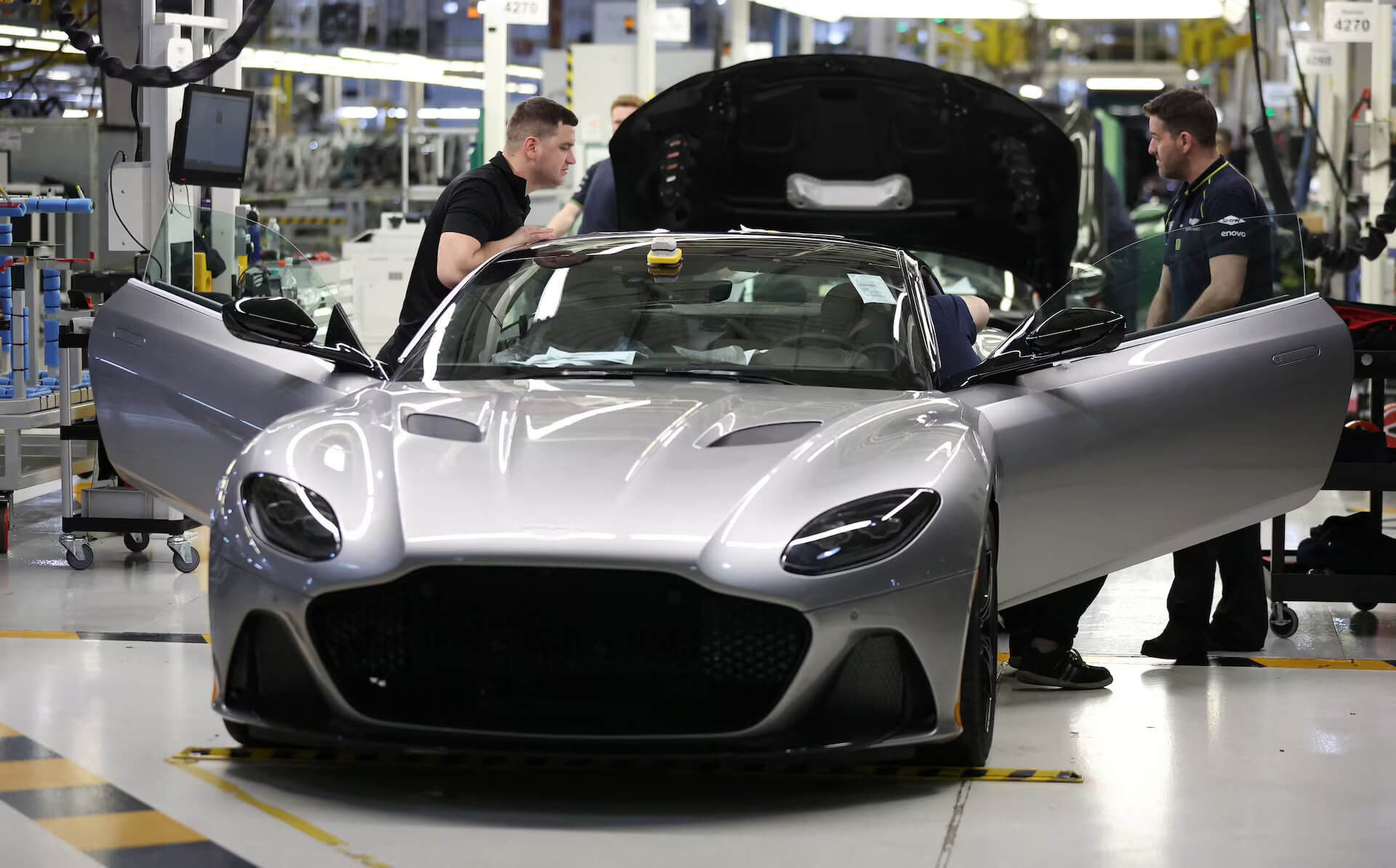
ASTON MARTIN—Aston Martin, the luxury automaker, has announced plans to trim 20% of its workforce, citing losses for 2025 that have increased from the year before. The company attributed the decline to the impact of tariffs and geopolitical uncertainty on its operations.
Aston Martin’s Strategic Overhaul in the Face of Tariffs
Introduction to Aston Martin’s Challenges
Aston Martin, known for its high-end vehicles often associated with luxury and sophistication, is facing significant challenges in the current geopolitical climate. The imposition of tariffs and the ongoing uncertainty in global politics have forced the company to reevaluate its strategy and operational efficiency.
Economic Impact of Tariffs on Luxury Goods
Tariffs imposed by various countries on imported goods, including luxury vehicles, have directly affected Aston Martin’s bottom line. The increased cost of importing components and the higher prices of exported vehicles due to retaliatory tariffs have squeezed the company’s profit margins. This situation is compounded by the weak demand in certain markets due to economic slowdowns, further reducing Aston Martin’s ability to pass on the increased costs to consumers.
Workforce Reduction as a Strategic Move
The decision to reduce the workforce by 20% is a drastic measure aimed at mitigating the financial losses incurred by the company. By streamlining its operations and lowering its labor costs, Aston Martin hopes to achieve a more sustainable financial footing. However, this move also reflects the broader challenges faced by the luxury automotive sector, where brand appeal and high profit margins are being continually tested by global economic trends and trade policies.
The Luxury Automotive Market Under Geopolitical Pressure
Global Luxury Automotive Sector Overview
The luxury automotive sector, known for its resilience and ability to weather economic storms, is facing unprecedented challenges. The combination of tariffs, geopolitical tensions, and shifts in consumer preferences towards sustainability and electrification is reshaping the competitive landscape. Luxury brands like Aston Martin must navigate these complexities while maintaining their brand allure and exclusivity.
Impact of Geopolitical Uncertainty on Consumer Confidence
Geopolitical uncertainty has a profound impact on consumer confidence, particularly in the luxury goods sector. Potential buyers of luxury vehicles may defer purchase decisions due to economic uncertainty, directly affecting sales and revenue for companies like Aston Martin. Furthermore, the unpredictability of trade policies and tariffs adds an additional layer of risk, making long-term planning and investment decisions more challenging for automotive manufacturers.
Adaptation and Innovation in the Luxury Automotive Sector
To remain competitive, luxury automotive brands must adapt quickly to changing market conditions. This includes investing in electrification, enhancing digital interfaces and connectivity within vehicles, and ensuring that manufacturing and supply chains are resilient to geopolitical shocks. For Aston Martin, the path forward involves not only reducing costs but also innovating and positioning its brand for the future, possibly through strategic partnerships, expanded product lines, or enhanced customer experiences.
Aston Martin’s Path Forward: Restructuring and Strategic Renewal
Rethinking Business Models for Sustainability
As Aston Martin embarks on a significant restructuring effort, the company must also rethink its business model for long-term sustainability. This involves diversifying revenue streams, possibly through services or lifestyle products, and ensuring that the brand remains relevant in a rapidly changing automotive landscape. The embrace of electrification and digital technologies will be crucial in this endeavor.
Investing in Brand Heritage and Exclusive Customer Experiences
Aston Martin’s brand heritage is one of its most valuable assets. By focusing on creating exclusive and bespoke experiences for its customers, the company can differentiate itself and maintain premium pricing. This strategy, combined with a leaner and more agile operational structure, could help Aston Martin navigate the challenges posed by tariffs and geopolitical uncertainty.
Conclusion: Navigating Uncertainty with Strategic Clarity
In conclusion, Aston Martin’s decision to reduce its workforce by 20% is a significant step in its efforts to navigate the complex geopolitical and economic landscape. The company’s future success will depend on its ability to execute its restructuring plans efficiently, innovate and adapt to changing market conditions, and maintain its brand’s luxury appeal. As the automotive sector continues to evolve, Aston Martin’s strategic renewal will be a critical factor in its ability to thrive in a highly competitive and increasingly uncertain environment.
