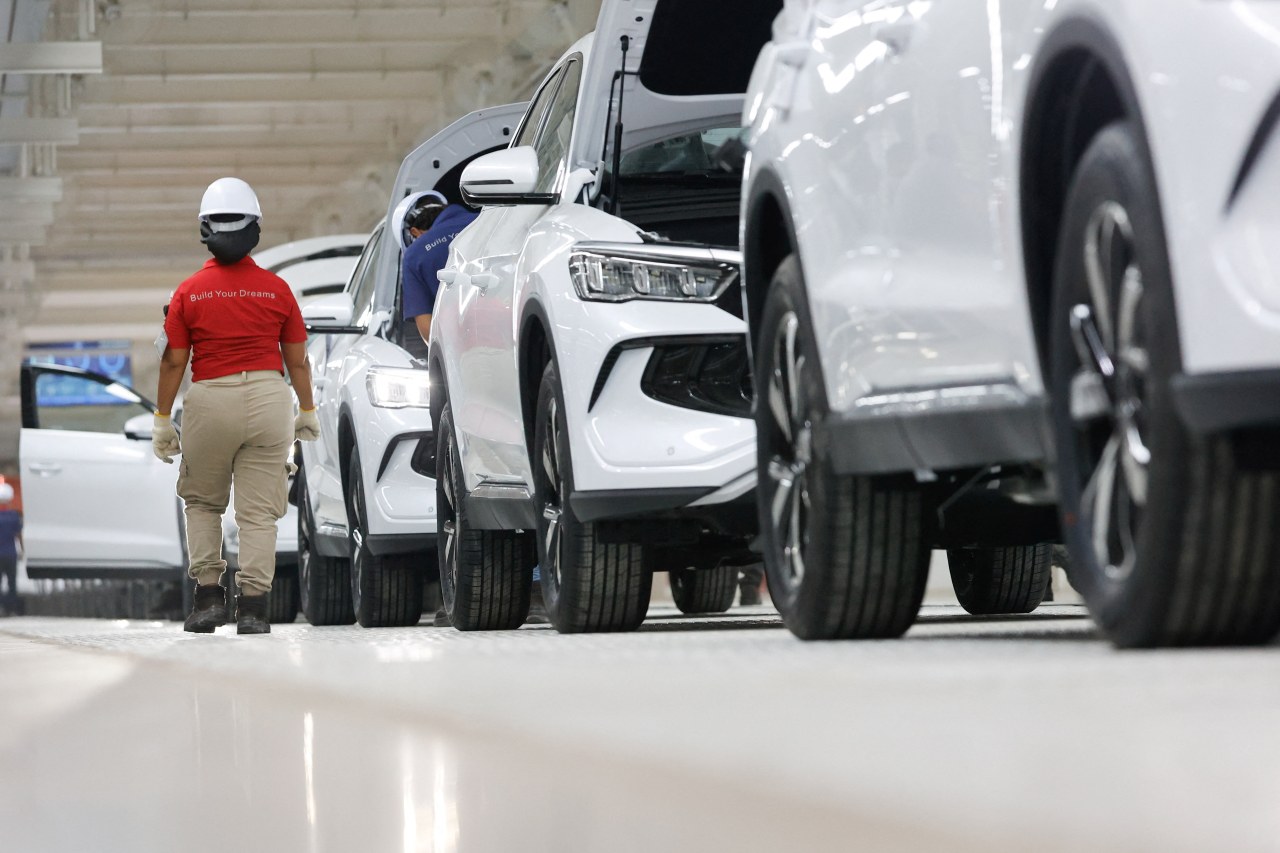
MERCEDES-BENZ—The automotive industry is undergoing a significant transformation, driven by technological advancements, shifting consumer preferences, and environmental concerns. In this auto and transport roundup, we delve into the latest market talks surrounding key players such as Mercedes-Benz and Rivian, exploring their strategies, challenges, and the impact of broader industry trends.
Mercedes-Benz: Navigating Electric Transition
Introduction to Mercedes-Benz’s Electric Lineup
Mercedes-Benz, a pioneer in the automotive sector, is aggressively pursuing its electric vehicle (EV) strategy. With the launch of its EQ series, the company aims to offer a comprehensive range of electric models across various segments. This move is not only a response to the growing demand for sustainable mobility but also a strategic effort to stay competitive in a market increasingly dominated by electric and hybrid vehicles.
Challenges and Opportunities
Despite the optimistic outlook, Mercedes-Benz faces significant challenges in its transition to electric vehicles. The high development costs of EV technology, coupled with the need to maintain profitability, pose a considerable hurdle. Moreover, the company must navigate complex regulatory landscapes and manage supply chain risks, particularly with regards to battery production. On the other hand, the shift towards electric offers opportunities for innovation and brand repositioning, allowing Mercedes-Benz to appeal to a new generation of environmentally conscious consumers.
Rivian: The Electric Pickup Truck Pioneer
Rivian’s Unique Selling Proposition
Rivian, with its R1T electric pickup truck, has captured the imagination of the automotive world by offering a unique blend of off-road capability, sustainability, and luxury. This approach has allowed Rivian to differentiate itself in a crowded market, attracting a loyal customer base eager for adventure and concerned about their environmental footprint. The company’s focus on exceptional user experience, through both its products and its direct-to-consumer sales model, further enhances its appeal to a tech-savvy audience.
Market Reception and Future Plans
The market reception of Rivian’s electric pickup has been overwhelmingly positive, with many praising its performance, design, and features. However, like all pioneers, Rivian faces the challenges of scaling production, expanding its distribution network, and continually innovating to stay ahead of competitors. The company’s future plans include the introduction of new models, such as the R1S electric SUV, and the development of its adventure-oriented ecosystem, which promises to redefine the relationship between vehicles, drivers, and the outdoors.
Broader Industry Trends: Electric, Autonomous, and Beyond
Electrification and Its Implications
The automotive industry’s pivot towards electric vehicles is not just a technological shift but a fundamental transformation of its business model, supply chain, and relationship with customers. As governments worldwide implement stricter emissions regulations and consumers increasingly prioritize sustainability, the demand for electric and hybrid vehicles is expected to skyrocket. This trend poses significant challenges for traditional automakers, who must invest heavily in new technologies and manufacturing processes while navigating the complexities of a changing market landscape.
Autonomous Vehicles: The Next Frontier
Parallel to the electrification trend, the development of autonomous vehicles (AVs) promises to revolutionize the way we think about transportation. With the potential to dramatically reduce accidents, enhance mobility for the elderly and disabled, and improve traffic efficiency, AVs represent a monumental shift in the automotive and transport sectors. However, the path to widespread adoption of AVs is fraught with technical, regulatory, and ethical challenges, requiring coordinated efforts from industry players, governments, and societal stakeholders.
Conclusion: Navigating the Future of Auto and Transport
The auto and transport sector is at the cusp of a revolutionary transformation, driven by technological innovation, environmental pressures, and changing consumer behaviors. As companies like Mercedes-Benz and Rivian pioneer new paths in electric and sustainable mobility, the industry as a whole must confront the challenges and opportunities of this transition. Through strategic investment in electric and autonomous technologies, a focus on customer experience, and a commitment to sustainability, the future of the auto and transport sector looks promising, albeit complex. As we move forward, it will be crucial to address the socio-economic, environmental, and technological implications of these changes, ensuring that the benefits of progress are shared by all.
