Bangladesh’s Power Grid on Edge as Gulf War Cuts 33% of Imported Gas
- Half of the nation’s electricity comes from gas plants.
- Nearly a third of that gas is sourced from Qatar, now largely blocked.
- Universities shut down early Ramadan to conserve electricity.
- The new government warns of a fragile economy amid fuel shortages.
Energy scarcity forces a nation into early holidays and blackouts
BANGLADESH—When the final Ramadan holidays began on March 9, students in Dhaka were relieved to escape the heat, but their reprieve was short‑lived. The government’s decision to cancel classes and impose temporary blackouts reflected a deeper crisis: a dwindling supply of natural gas, the lifeblood of Bangladesh’s power sector. As the war in the Persian Gulf escalates, the country’s dependence on Gulf‑origin gas has turned from an economic advantage into a vulnerability, threatening factories, homes, and the very lights that keep the nation humming.
The situation is not a simple matter of supply; it is a confluence of geopolitical turbulence, domestic politics, and an economy that has long balanced on a razor‑thin fuel budget. The new prime minister, Tarique Rahman, who took office in February after a student‑led uprising toppled Sheikh Hasina’s 15‑year rule, faces the daunting task of steering a fragile economy while grappling with an energy crisis that could derail years of growth.
In the coming chapters we’ll trace the roots of this crisis, examine its immediate impacts, and explore what lies ahead for Bangladesh’s energy future.
The Ramadan Pause: Education and Electricity in Bangladesh
When the final Ramadan holidays started early for university students on March 9, the cancellation of classes was not a celebration but a warning. The government’s decision to shut campuses was a drastic measure aimed at saving electricity amid a looming gas shortage. As the article notes, Bangladesh’s main schools announced that classes were canceled until later this month, a move that echoed similar decisions in other energy‑strapped nations during crises.
Students on the front line of a power shortage
Abdullah Al Mahmud Mehedi, a 23‑year‑old master’s student at the University of Dhaka, captured the mood of many: “It doesn’t feel like a vacation to me.” His statement reflects a broader sentiment—education, a cornerstone of Bangladesh’s development, is being sacrificed to preserve a finite resource. The shutdown, while necessary, will delay coursework, affect research timelines, and increase pressure on a system already stretched by rapid urbanization and a growing student population.
Economic ripple effects of a halted curriculum
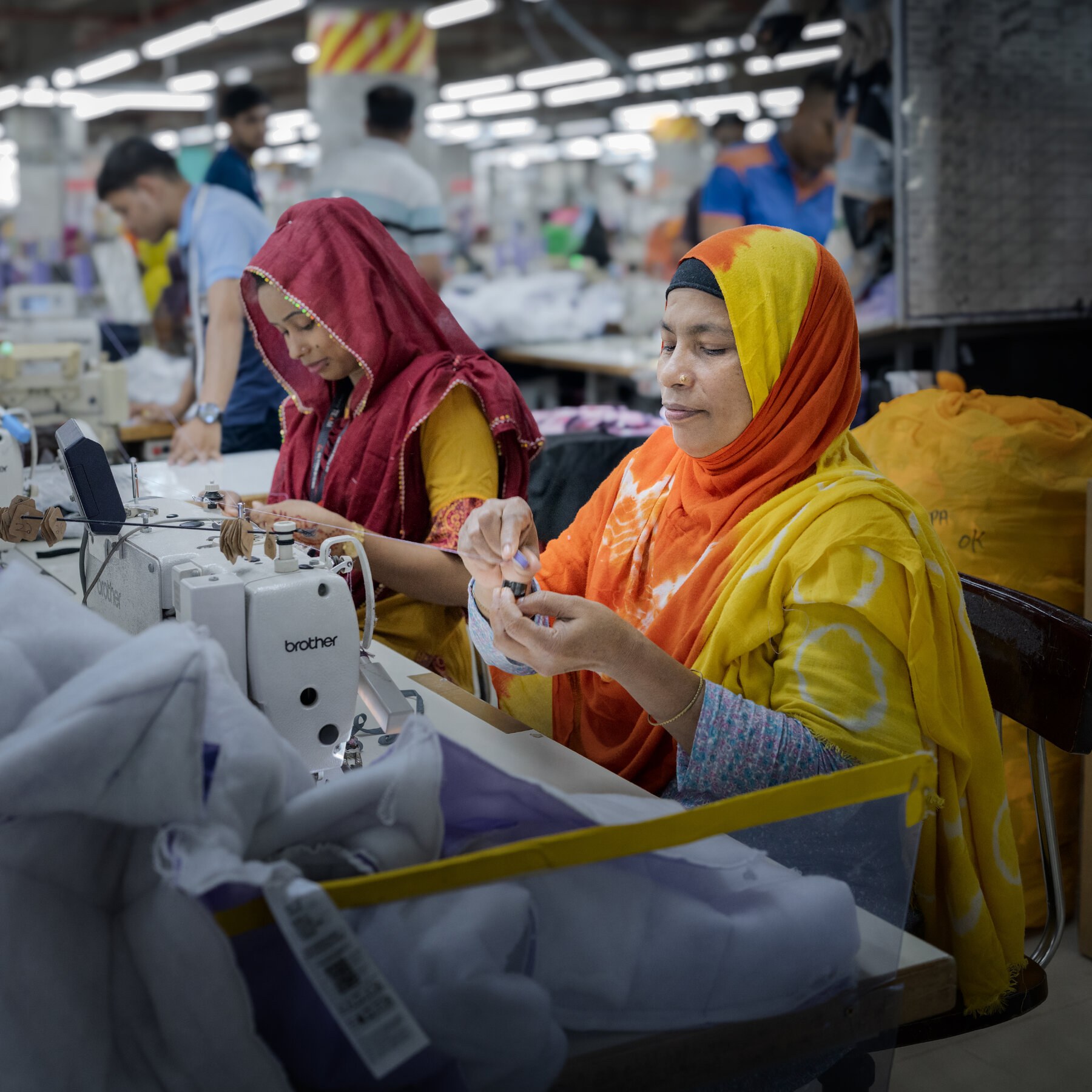
Bangladesh’s export‑oriented economy, which relies heavily on the garment sector, could feel the knock‑on effects of reduced electricity availability. Factories that power the world’s apparel market depend on a steady power supply; any interruption can lead to costly downtime, loss of production quotas, and strained relationships with global buyers. The early closure of campuses is a microcosm of a larger shift: the government is willing to sacrifice short‑term conveniences to avert a catastrophic energy collapse that could halt manufacturing and export flows.
Looking forward: the balance between education and energy conservation
The government’s decision underscores a critical tension: how to balance immediate human needs with long‑term economic stability. While the closure may ease short‑term load on the grid, it also highlights the urgency of diversifying Bangladesh’s energy mix. The next chapter will dive into the country’s energy architecture and the role of imported gas in sustaining its power generation.
Gas Supply and the 33% Qatari Link
Bangladesh’s electricity generation is a delicate dance between domestic resources and imported fuels. About half of the nation’s power comes from plants that burn natural gas, a commodity that is largely imported. Nearly a third of that gas is sourced from Qatar, a relationship that has now been severely disrupted by the ongoing conflict in the Persian Gulf.
Why Qatar matters for Bangladesh’s energy budget
Qatar’s strategic position as a major liquefied natural gas (LNG) exporter means that Bangladesh’s power plants depend on a steady flow of this fuel. The war has not only strained shipping lanes but also strained diplomatic channels, making it difficult for Bangladeshi companies to secure timely deliveries. The loss of a third of its gas supply threatens to reduce the output of the country’s gas‑fired power plants by roughly 15–20%, a figure that could be calculated by multiplying the 50% gas share by the 33% Qatari dependency.
Implications for the broader energy sector
With gas imports curtailed, Bangladesh must look to alternative fuels—coal, hydro, and emerging renewables—to fill the gap. However, the country’s coal reserves are limited, and its hydro potential is already near capacity. The shift to renewables, while environmentally desirable, requires significant investment and time, which are scarce in a nation already grappling with a fragile economy.
Chart: Distribution of Bangladesh’s Imported Gas by Source
Political Turbulence: A New Leader Amid Energy Uncertainty
The energy crisis is unfolding against a backdrop of political upheaval. In February, Bangladesh elected a new government under Tarique Rahman, the first democratic transition since Sheikh Hasina’s 15‑year rule ended in August 2024. Rahman’s administration has already declared that the country’s journey is fragile, a statement that echoes the economic uncertainty caused by the gas shortage.
The role of leadership in crisis management
Rahman’s government faces a dual challenge: restoring public confidence after a student‑led movement that toppled a long‑standing regime, and steering a nation whose export economy—predominantly garments—relies on steady electricity supply. The energy crisis could become a political litmus test; failure to manage it could erode public support and destabilize the nascent administration.
Economic implications of political instability
Political uncertainty often leads to capital flight, reduced foreign investment, and currency volatility—all factors that can exacerbate an energy crisis. For instance, the cost of importing LNG is sensitive to global oil prices and geopolitical tensions; any added uncertainty can inflate prices, further squeezing Bangladesh’s already thin profit margins in the garment sector.
Future outlook: policy reforms and international cooperation
To mitigate the crisis, the government may need to negotiate new supply agreements, accelerate domestic energy projects, and seek international aid. The political environment will shape the feasibility of these measures, with the new administration needing to build consensus across parties to enact timely reforms.
From Ramadan to Reality: A Timeline of Energy Disruptions
Key Milestones in Bangladesh’s Energy Crisis
Understanding the progression of Bangladesh’s gas shortage requires a clear view of the events that have unfolded over the past months. The timeline below outlines the critical moments that have led to the current state of emergency, from the onset of the Persian Gulf conflict to the government’s emergency measures.
Chart: Timeline of Bangladesh’s Energy Crisis Milestones
Electricity Generation: Balancing Gas and Alternatives
Bangladesh’s power grid is a complex system that relies on a mix of gas, coal, hydro, and emerging renewables. The crisis is primarily driven by a shortage of natural gas, which accounts for about 50% of the country’s electricity generation. With a third of that gas coming from Qatar, the current conflict threatens to cut power output by a significant margin.
Current energy mix and its vulnerability
Gas-fired power plants are the backbone of Bangladesh’s grid, supplying approximately 23 GW of capacity. Coal and hydro contribute the remaining 27 GW, but both have limited scalability. The country’s push toward renewables—especially solar—has been slow, and the current crisis has exposed the inadequacy of this approach in meeting short‑term demand.
Chart: Bangladesh’s Electricity Generation by Fuel Source
Understanding the proportion of each fuel source helps illustrate the stakes. If gas production falls by 20%, the grid’s capacity will be reduced by 4.6 GW, potentially leading to widespread outages. The government’s blackout strategy is a stop‑gap measure, but a long‑term solution will require significant investment in alternative fuels and grid resilience.
Looking ahead: Diversification and resilience
To avoid future crises, Bangladesh must diversify its energy portfolio. This includes expanding hydro projects, investing in solar farms, and exploring domestic natural gas reserves. International cooperation, such as securing LNG from alternative suppliers, will also be crucial. The next chapter will examine how these strategies could reshape Bangladesh’s energy future in the face of geopolitical uncertainty.
Frequently Asked Questions
Q: How does the Gulf conflict affect Bangladesh’s gas supply?
The war in the Persian Gulf has disrupted shipping lanes and diplomatic ties, sharply reducing Bangladesh’s access to gas imports from Qatar, which supplies nearly a third of the country’s gas needs.
Q: What measures are Bangladesh taking to conserve electricity?
The government has shut university campuses, imposed temporary blackouts, and urged industrial users to reduce consumption to prevent a total power failure.
Q: Why is Bangladesh’s economy particularly vulnerable to energy shortages?
With 85% of exports in garments and heavy reliance on imported fuels, a sudden drop in gas availability threatens production lines and export revenues.
