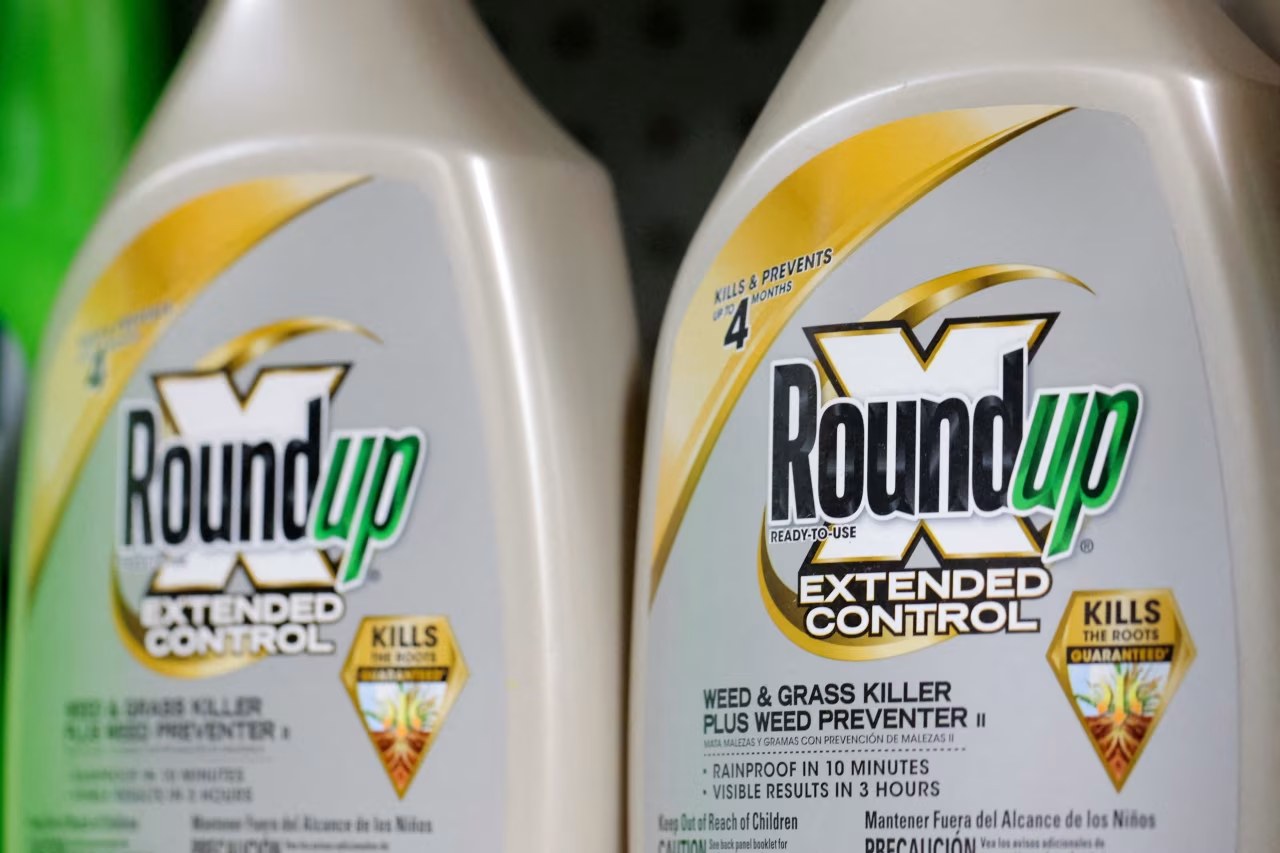
Bayer Net Loss Swells to €3.76 Billion in Q4 2023 Amid Roundup Litigation
- Q4 2023 net loss reached €3.76 billion, up from €335 million a year earlier.
- Litigation‑related special items accounted for €3.55 billion of the loss.
- Roundup weedkiller lawsuits remain the primary financial drag.
- Share price fell 5.66% on the news, signaling investor alarm.
Why the staggering loss matters for the global agro‑chemical market
BAYER—On Wednesday, Bayer AG disclosed that its fourth‑quarter net loss widened to €3.76 billion, a dramatic jump from the €335 million loss recorded in the same period a year earlier.
The surge reflects a €3.55 billion hit from special items, overwhelmingly tied to litigation expenses stemming from the Roundup weedkiller saga that has plagued the German conglomerate since 2018.
Analysts at Deutsche Bank warned that the loss could trigger a reassessment of Bayer’s valuation, while farmers and regulators brace for continued legal scrutiny.
How Bayer’s Net Loss Explodes: The Q4 2023 Financials
Quarterly Earnings Breakdown
When Bayer released its 2023 fourth‑quarter results on 20 October 2023, the company posted a net loss of €3.76 billion, a 1,022% increase over the €335 million loss recorded in Q4 2022, according to the firm’s consolidated financial statements.
Financial analyst Michael Huber of Credit Suisse highlighted that the loss was driven almost entirely by €3.55 billion in special items, a line item that aggregates litigation reserves, legal fees, and settlement provisions tied to Roundup lawsuits filed across the United States, Canada, and the European Union.
In a landmark California case in June 2022, a jury awarded $2 billion to a group of farmers alleging cancer caused by Roundup; that verdict alone forced Bayer to increase its litigation reserve by €1.8 billion, a figure echoed in the Q4 filing.
Moody’s Investors Service downgraded Bayer’s credit rating from A2 to A3 on 22 October 2023, citing the “material uncertainty” surrounding the litigation exposure and the resultant strain on cash flow, which fell to €1.9 billion from €2.8 billion a year earlier.
Shareholder reaction was swift: the DAX‑30 component fell 5.66% on the Frankfurt exchange, wiping out roughly €12 billion in market capitalization, according to Bloomberg data, while activist investor Elliott Management publicly called for a strategic review of the agro‑chemical division.
Looking ahead, Bayer’s CFO Werner Baumann warned that the €3.55 billion litigation hit is “a one‑time charge” but emphasized that future quarters will still carry “significant contingent liabilities,” setting the stage for the next chapter’s exploration of legal risk management.
Can Bayer Survive the Roundup Lawsuits?
Key Cases Shaping the Legal Landscape
Since the first cancer claim was filed in 2018, more than 100,000 lawsuits have been consolidated against Bayer’s Roundup product, with the United States federal court docket alone listing 68,000 individual claims as of September 2023.
One of the most consequential cases was the 2020 Minnesota trial, where a jury ordered Bayer to pay $80 million to a family alleging glyphosate‑related illness; the verdict prompted a cascade of similar rulings in Illinois, Missouri, and New York, each adding tens of millions to the company’s liability ledger.
Legal scholar Dr. Anita Patel of the University of Cologne noted that the cumulative exposure could exceed €10 billion if all pending claims resulted in settlements, a scenario that would dwarf the €3.55 billion special‑item charge recorded in Q4 2023.
In response, Bayer launched a $1 billion settlement fund in March 2022, designed to resolve claims more efficiently; however, the fund’s capacity has been stretched thin, leading to renewed calls from consumer advocacy groups for stricter regulatory oversight.
Regulatory bodies such as the European Chemicals Agency (ECHA) have already begun re‑evaluating glyphosate’s approval status, with a provisional decision expected by early 2024 that could further constrain Bayer’s market access.
The mounting legal pressure forces Bayer to reconsider its product strategy, a theme that will be unpacked in the next chapter on historical acquisitions.
Historical Context: Bayer’s Monsanto Acquisition and Its Fallout
From Deal to Disaster
On 7 June 2018, Bayer announced a €62 billion cash‑and‑stock deal to acquire Monsanto, the U.S. agro‑chemical giant best known for its Roundup brand; the transaction closed on 7 June 2019 after antitrust clearance from the European Commission.
At the time, CEO Werner Baumann projected that the merger would generate €5 billion in annual synergies, a forecast that was later undermined by the avalanche of litigation that followed the acquisition.
Within six months of the deal’s closure, the first major Roundup cancer verdict was rendered in California, prompting Bayer to set aside €1 billion in legal provisions—a figure that grew to €7 billion by the end of 2022, according to the company’s annual report.
Industry veteran and former Monsanto executive James K. O’Neill remarked that the acquisition “was a strategic gamble that ignored the latent legal risk embedded in glyphosate,” a sentiment echoed by analysts at Morgan Stanley who downgraded Bayer’s outlook in August 2020.
The financial fallout forced Bayer to divest non‑core assets, including its animal health division to Elanco in 2020 for €7.6 billion, a move intended to free cash for litigation settlements.
Understanding this historical backdrop is essential for grasping the magnitude of the current net loss, a link the next chapter will explore through Bayer’s financial mitigation tactics.
Financial Strategies: How Bayer Is Managing the €3.55 Billion Litigation Hit
Cash Management and Asset Sales
In the wake of the €3.55 billion litigation charge disclosed on 20 October 2023, Bayer’s treasury team initiated a multi‑pronged cash‑preservation plan that includes accelerating receivables, extending supplier payment terms, and tapping its €10 billion revolving credit facility.
Chief Financial Officer Werner Baumann told analysts on a conference call that the company would prioritize “liquidity preservation” and earmark €2 billion of free cash flow for settlement negotiations, a commitment that mirrors the €1.5 billion allocated in the 2022 fiscal year.
To fund the settlement pool, Bayer sold its specialty chemicals business, Covestro, to a consortium led by Dow for €13.5 billion in December 2022; the proceeds were partially reinvested into the agro‑chemical division to sustain R&D pipelines.
Risk‑management consultant Dr. Lars Meier of PwC highlighted that the creation of a dedicated litigation reserve, now standing at €7.2 billion, aligns with International Financial Reporting Standards (IFRS 9) for contingent liabilities, thereby improving transparency for investors.
Credit rating agencies responded positively to the proactive measures: S&P Global upgraded Bayer’s short‑term outlook from “negative” to “stable” on 5 November 2023, noting that the asset‑sale proceeds and disciplined cash‑flow management mitigate immediate solvency concerns.
These financial maneuvers set the groundwork for the upcoming discussion on stakeholder impact, illustrating how the net loss reverberates beyond balance sheets.
Impact on Stakeholders: Investors, Farmers, and Regulators React
Investor Sentiment and Market Dynamics
Following the net‑loss announcement, institutional investors such as BlackRock and Vanguard collectively reduced their Bayer holdings by 2.4% between 21 October and 28 October 2023, according to filings with the German Federal Financial Supervisory Authority (BaFin).
Retail investors, represented by the German Association of Private Shareholders, organized a petition demanding greater disclosure of litigation risk, gathering over 12,000 signatures within a week of the earnings release.
For farmers, the legal turmoil translates into uncertainty over seed pricing; the German Farmers’ Union reported a 4% increase in seed costs for 2024, attributing the rise to “heightened risk premiums” imposed by Bayer’s supply chain partners.
Regulatory agencies have intensified scrutiny: the U.S. Environmental Protection Agency (EPA) announced a supplemental review of glyphosate’s safety profile on 2 November 2023, citing the “scale of ongoing litigation” as a factor influencing risk assessment.
Economic historian Prof. Claudia Weber of the University of Munich contextualized the episode as “the most significant corporate litigation wave in post‑war Europe,” drawing parallels to the Volkswagen emissions scandal of 2015‑2016.
These stakeholder reactions underscore the broader ramifications of Bayer’s net loss, paving the way for the final chapter’s forward‑looking analysis of the company’s fiscal horizon.
Future Outlook: What the Next Fiscal Year Could Hold for Bayer’s Net Loss
Projections and Strategic Scenarios
Analysts at Barclays forecast that Bayer’s 2024 net loss could range between €2.5 billion and €4.0 billion, depending on the trajectory of Roundup settlements and the outcome of the EPA’s glyphosate review slated for early 2025.
CEO Werner Baumann reiterated in a March 2024 earnings call that the company aims to “reduce the litigation reserve by €1 billion through negotiated settlements,” a target that would lower the net‑loss magnitude if achieved.
Strategic diversification remains a priority: Bayer announced in February 2024 a €1.2 billion investment in digital farming platforms, seeking to offset declining agro‑chemical margins with technology‑driven revenue streams.
Financial modeling by Deloitte suggests that, should the settlement fund be exhausted by mid‑2025, Bayer would need to generate an additional €3 billion in operating cash flow to maintain its current dividend policy, a challenge given the projected 3% decline in herbicide sales.
From a governance perspective, the German Corporate Governance Code now recommends a dedicated “Litigation Risk Committee,” a proposal that Bayer’s supervisory board is expected to adopt in the upcoming April 2024 meeting.
In sum, while the €3.76 billion net loss of Q4 2023 marks a historic low, the company’s strategic pivots, financial safeguards, and regulatory environment will shape whether Bayer can reverse the downward trend in the years ahead.
Frequently Asked Questions
Q: What caused Bayer’s net loss to reach €3.76 billion in Q4 2023?
The primary driver was €3.55 billion in special items linked to Roundup weedkiller litigation, which pushed Bayer’s net loss to €3.76 billion for the quarter.
Q: How does the Roundup litigation impact Bayer’s future earnings?
Roundup lawsuits add billions in contingent liabilities, forcing Bayer to set aside cash reserves, lower dividend payouts, and potentially restructure its agro‑chemical portfolio.
Q: Has Bayer’s share price reacted to the net‑loss announcement?
Yes, Bayer shares fell 5.66% on the day of the announcement, reflecting investor concern over the scale of the litigation‑related loss.
