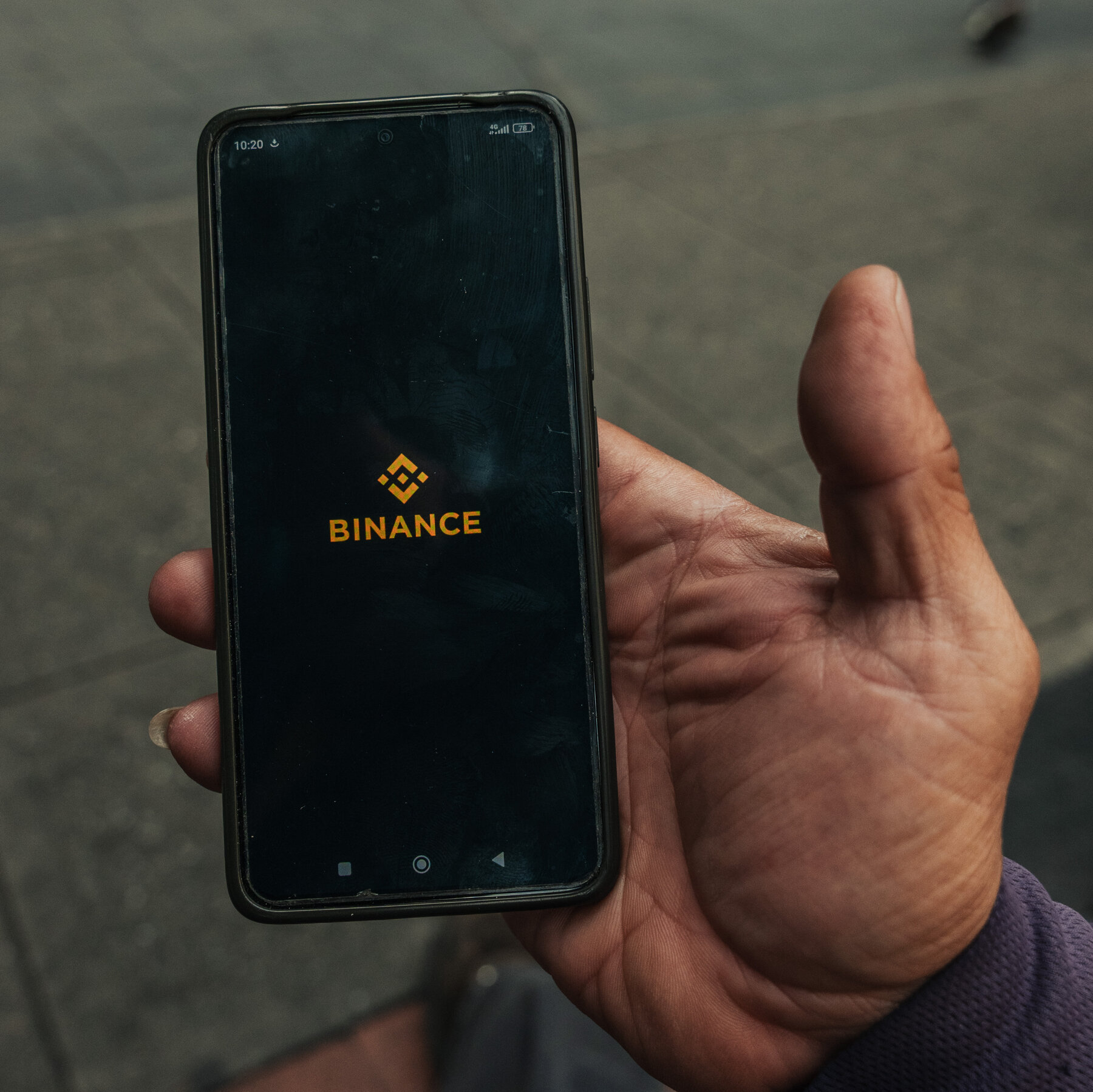
BINANCE—Binance, the world’s largest cryptocurrency exchange, is facing a significant challenge to its pledge to crack down on illicit activities. Internal investigators have discovered that approximately $1.7 billion in cryptocurrency was sent to entities based in Iran, a country subject to stringent international sanctions.
The Sanctions Evasion Conundrum
The revelation that Binance’s platform was used to send large sums of cryptocurrency to Iranian entities raises serious questions about the exchange’s compliance with international sanctions. The United States, in particular, has imposed comprehensive sanctions on Iran, targeting its nuclear program, human rights abuses, and support for terrorism.
Background on Sanctions
Sanctions against Iran are designed to restrict the country’s access to the global financial system, thereby limiting its ability to engage in activities deemed undesirable by the international community. The discovery of these transactions suggests that Binance may have inadvertently facilitated sanctions evasion, potentially exposing the exchange to legal and reputational risks.
Internal Investigation and Response
Binance’s internal investigators are tasked with monitoring the platform for suspicious activity, including transactions that may violate international sanctions. The identification of these transactions indicates that the exchange’s compliance measures may not be sufficient to prevent illicit activities.
Regulatory Implications for Binance
The finding of $1.7 billion in cryptocurrency transactions with Iranian entities has significant regulatory implications for Binance. The exchange operates globally, offering its services to users in numerous jurisdictions, each with its own set of regulatory requirements. Compliance with these regulations is crucial for Binance to maintain its licenses to operate and to avoid potential fines or other punitive measures.
Global Regulatory Landscape
The regulatory environment for cryptocurrency exchanges is evolving rapidly. As governments and regulatory bodies become more aware of the potential risks associated with cryptocurrency, including money laundering, terrorist financing, and sanctions evasion, they are implementing stricter compliance requirements.
Potential Consequences for Binance
Should Binance be found to have violated sanctions or failed to comply with regulatory requirements, the consequences could be severe. These might include significant fines, restrictions on its operations, or even the loss of licenses in key markets. Moreover, the reputation of the exchange could suffer, potentially leading to a loss of user trust and a decline in its business.
The Challenge of Compliance in Cryptocurrency
The case of Binance and the $1.7 billion in transactions with Iranian entities highlights the challenges of compliance in the cryptocurrency sector. Cryptocurrencies, by their nature, offer a level of anonymity and decentralization that can make tracking and monitoring transactions more difficult compared to traditional financial systems.
Technological Solutions
To address these challenges, cryptocurrency exchanges like Binance are investing in technological solutions designed to improve compliance. These include the use of blockchain analytics tools to monitor transactions for suspicious activity and the implementation of know-your-customer (KYC) and anti-money-laundering (AML) protocols to verify the identities of users and assess the risk of their transactions.
Collaboration with Regulatory Bodies
Beyond technological solutions, collaboration between cryptocurrency exchanges and regulatory bodies is essential for improving compliance. By working closely with regulators, exchanges can better understand their obligations and ensure that they are meeting the necessary standards to prevent illicit activities.
Conclusion: Navigating the Complexities of Crypto Regulation
The discovery of $1.7 billion in cryptocurrency transactions with Iranian entities on Binance serves as a stark reminder of the complexities and challenges associated with regulating the cryptocurrency market. As the sector continues to evolve, it is imperative that exchanges, regulatory bodies, and other stakeholders work together to develop and implement effective compliance measures that balance the need to prevent illicit activities with the need to foster innovation and growth in the cryptocurrency space.
The Path Forward
For Binance and other cryptocurrency exchanges, the path forward will require a multifaceted approach. This includes investing in advanced compliance technologies, enhancing collaboration with regulatory bodies, and promoting a culture of compliance among users and staff. Moreover, exchanges must be proactive in their efforts to stay ahead of emerging risks and to adapt to the evolving regulatory landscape.
Global Cooperation
Ultimately, the effective regulation of cryptocurrency will require global cooperation. International standards and guidelines can help ensure consistency in how different countries approach the regulation of cryptocurrency, reducing the risk of regulatory arbitrage and making it more difficult for bad actors to exploit weaknesses in the system.
