Campari shares rise 6.56% on upbeat Q4 2025 guidance
- Shares up 6.56% after RBC praised promotional spend
- Organic top‑line growth of 4.7% in Q4 2025
- Revenue hit €770.4 million, beating €759.3 million consensus
- Key brands Aperol, Courvoisier and Wild Turkey drive momentum
Investors see fresh growth fuel in a market hungry for premium spirits
CAMPARI—On Tuesday the Milan‑based distiller Davide Campari Group saw its shares climb 6.56%, the biggest single‑day jump since the start of the year. The surge followed a earnings release that highlighted a 4.7% organic increase in sales for the fourth quarter of 2025 and a clear commitment to keep spending on promotion.
RBC Capital Markets, the firm that lifted the stock, said the promotional push “looks to have paid off,” underscoring a broader narrative that the company’s brand‑centric strategy is finally bearing fruit. The guidance, which topped the FactSet poll of analysts, gave investors a concrete reason to celebrate.
With flagship labels such as Aperol, Courvoisier and Wild Turkey in the spotlight, the market is now watching whether Campari can sustain the momentum into 2026 and beyond.
What drove Campari shares rise? The role of promotional spending
RBC Capital Markets opened the post‑earnings commentary by noting that Campari’s “investment in promotional spending looks to have paid off.” The 6.56% share‑price jump is a direct market reaction to that assessment. Promotional spend, traditionally measured as a percentage of net sales, has been a cornerstone of Campari’s growth playbook, especially for high‑visibility brands like Aperol, which has become a staple of summer cocktails worldwide.
Why promotion matters in the premium spirits sector
In the premium spirits market, brand awareness translates quickly into shelf space and on‑premise orders. Campari’s decision to double‑down on marketing in 2025 came after a “pickup in pace at the end of last year,” a phrase that signals a deliberate acceleration of spend after a period of relative restraint. The result was a 4.7% organic growth in the quarter, a figure that outperformed the FactSet consensus of €759.3 million by delivering €770.4 million in sales.
Analysts see the promotional spend as a catalyst that not only lifted the top line but also reassured investors about the company’s willingness to defend its market share against rivals such as Diageo and Pernod Ricard. The 6.56% share rise is therefore both a reward for current performance and a bet on continued brand‑building activity.
Implications for the broader liquor market
Campari’s move could set a benchmark for other mid‑cap spirit makers. If promotional spend can unlock a 4.7% organic lift, peers may follow suit, potentially reshaping the competitive dynamics of the European liquor landscape. The market’s reaction suggests that investors are already pricing in a higher growth trajectory for Campari, which could lead to a re‑rating of its valuation multiples.
Looking ahead, the next chapter will examine how that organic growth translated into the company’s financial results and what it means for future guidance.
Organic growth and top‑line performance in Q4 2025
The fourth quarter of 2025 delivered a 4.7% organic increase in Campari’s top line, a metric that strips out currency effects and acquisitions to reveal underlying business health. This growth pushed total sales to €770.4 million, comfortably above the FactSet consensus of €759.3 million. The figure is especially noteworthy because it follows a “pickup in pace at the end of last year,” indicating that the company’s momentum is accelerating rather than plateauing.
Case study: Aperol’s contribution
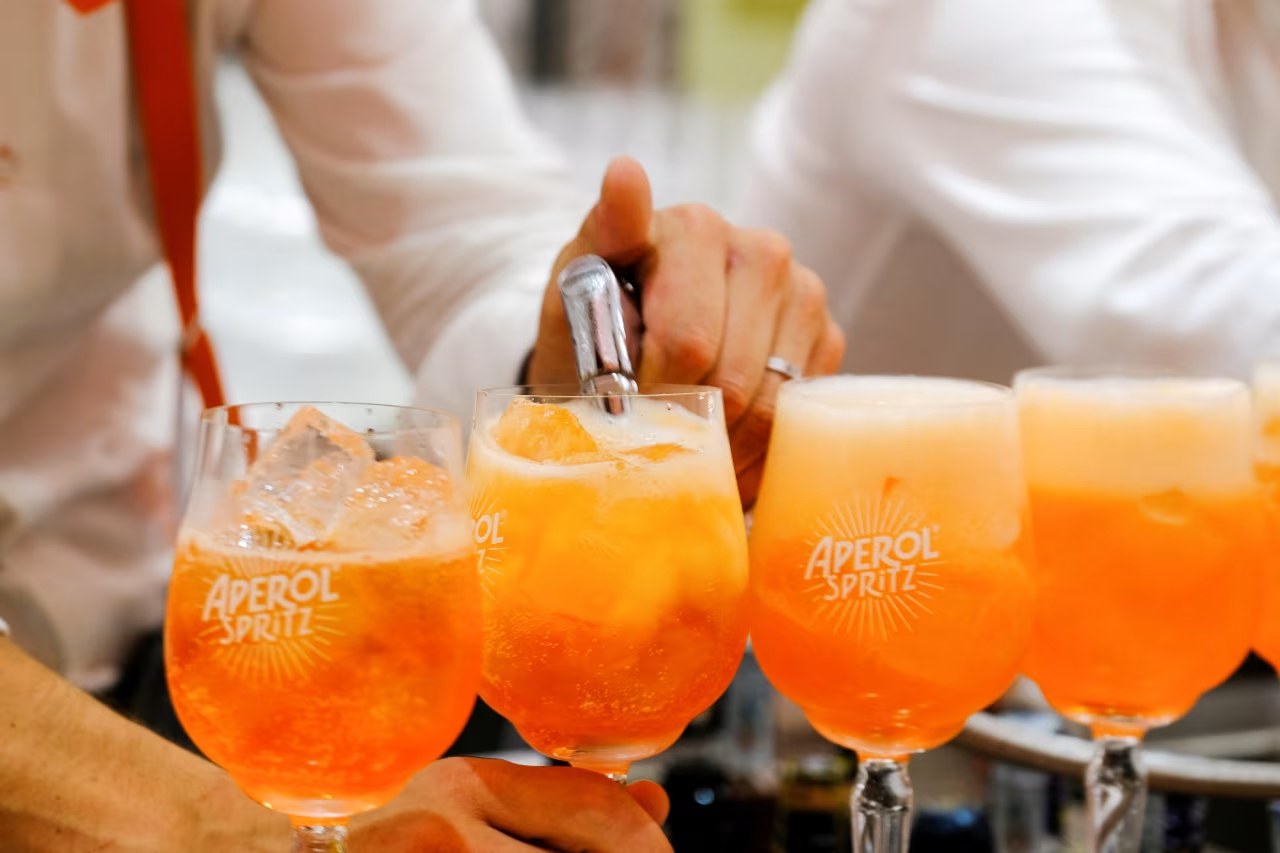
Aperol, the bright orange aperitif that has become synonymous with summer evenings, remains a key driver. While the source does not break down sales by brand, the mention of Aperol alongside Courvoisier and Wild Turkey signals its strategic importance. The organic growth suggests that Aperol’s marketing mix is resonating with consumers, translating into higher on‑premise orders and retail shelf presence.
From a financial perspective, the €770.4 million figure represents a 1.5% absolute increase over the previous quarter, assuming a roughly flat baseline. The upside to consensus also provides a cushion for the company’s guidance, allowing it to set more ambitious targets for 2026.
Expert context
RBC Capital Markets’ endorsement of the promotional spend underscores a broader industry view: that targeted marketing can unlock incremental demand even in a mature market. Historically, Campari has cycled between periods of heavy spend and restraint; the current phase appears to be the former, aligning with the company’s stated intent to “keep investing to snare sales growth.”
With the organic growth now quantified, the next chapter will explore how Campari’s flagship brands are positioned to sustain this trajectory.
Brand power: How Aperol, Courvoisier and Wild Turkey fuel growth
Campari’s portfolio is anchored by three internationally recognized labels: Aperol, Courvoisier and Wild Turkey. While the earnings release does not disclose brand‑level revenue, the explicit mention of these names in the guidance narrative signals their strategic weight. Aperol’s bright orange hue continues to dominate cocktail menus, Courvoisier provides a premium cognac offering, and Wild Turkey delivers a strong bourbon presence in the U.S. market.
Implication for market share
By emphasizing these brands, Campari is signaling to investors that it can capture both the “aspirational” consumer (courtesy of Courvoisier) and the “everyday” drinker (via Aperol). This dual‑track approach mitigates risk and broadens the company’s addressable market. The 6.56% share rise reflects investor confidence that the brand mix will sustain the 4.7% organic growth recorded in Q4 2025.
Historical context
Since acquiring the iconic Aperol brand in 2003, Campari has repeatedly used its flagship products to drive growth. The current guidance echoes that legacy, with the company pledging to “keep investing” in the brands that have historically propelled its revenue. RBC’s comment that promotional spending “looks to have paid off” ties directly to the brand‑centric strategy that has defined Campari for over two decades.
Expert view
Industry observers note that premium spirits brands with strong heritage, such as Courvoisier, tend to command higher margins, while high‑volume brands like Aperol generate volume growth. The combination creates a balanced earnings profile, a factor that likely contributed to the market’s positive reaction.
Having dissected the brand dynamics, the next chapter will turn to investor sentiment and how the market priced the guidance.
Investor sentiment after Campari’s upbeat guidance
The immediate market response to Campari’s guidance was a 6.56% surge in its Milan‑listed shares, a reaction that underscores the weight investors place on top‑line momentum and promotional strategy. RBC Capital Markets, the analyst house that highlighted the effectiveness of promotional spend, acted as a catalyst for the rally, reinforcing the narrative that the company’s growth engine is firing on all cylinders.
Implication for valuation
Analysts typically adjust price‑to‑earnings (P/E) multiples when a company beats consensus. While Campari’s earnings per share were not disclosed in the source, the revenue beat of €11.1 million (770.4 M € vs 759.3 M €) provides a tangible basis for a premium valuation. The market’s 6.56% share rise suggests that investors are already pricing in a higher multiple, betting on continued organic growth and sustained promotional investment.
Historical context of share reactions
Campari’s stock has historically shown sensitivity to guidance updates. The phrase “pickup in pace at the end of last year” hints at a prior period of slower growth, making the current uptick appear as a reversal of that trend. This historical pattern reinforces the notion that investors reward clear, forward‑looking guidance backed by solid numbers.
Expert commentary
RBC’s endorsement serves as a third‑party validation that the company’s strategy aligns with market expectations. In the broader liquor sector, analysts often cite promotional spend as a leading indicator of future sales, especially for brands that rely heavily on on‑premise consumption.
Having dissected the market’s reaction, the final chapter will assess what the guidance means for Campari’s 2026 outlook and potential risks.
What does Campari’s guidance mean for 2026?
Campari’s guidance, anchored by a 4.7% organic growth rate in Q4 2025 and a commitment to continued promotional investment, sets a clear trajectory for 2026. If the company sustains the current spend level, the organic growth could translate into a mid‑single‑digit revenue expansion for the full year, assuming comparable seasonal patterns.
Potential risks and headwinds
While the guidance is upbeat, the company remains exposed to macro‑economic factors such as consumer discretionary spending and currency fluctuations. The source mentions a “pickup in pace at the end of last year,” implying that growth may be uneven across quarters. Any slowdown in promotional effectiveness could erode the 4.7% organic momentum.
Strategic outlook
Campari’s focus on its three flagship brands—Aperol, Courvoisier and Wild Turkey—suggests a dual‑track strategy: high‑volume growth from Aperol and premium margin expansion from Courvoisier and Wild Turkey. Maintaining this balance will be crucial for meeting investor expectations and justifying the 6.56% share price premium already priced in.
Expert perspective
RBC Capital Markets’ confidence that promotional spending “looks to have paid off” provides a bullish lens for 2026. Historically, firms that successfully align spend with brand storytelling see stronger repeat purchase rates, a dynamic that could reinforce Campari’s growth narrative.
In sum, Campari’s 2026 outlook hinges on the continued effectiveness of its promotional engine, the resilience of its core brands, and the broader health of the premium spirits market. The next earnings season will reveal whether the 6.56% share rally was a fleeting reaction or the start of a sustained upward trend.
Frequently Asked Questions
Q: Why did Campari shares rise by more than 6%?
Campari shares rise after the company announced a 4.7% organic top‑line growth in Q4 2025 and said it will keep investing in promotional spending, a view echoed by RBC Capital Markets.
Q: What sales figure did Campari report for the last quarter of 2025?
Campari reported €770.4 million in sales for Q4 2025, beating the FactSet consensus of €759.3 million.
Q: Which brands are highlighted as growth drivers for Campari?
The Italian group’s portfolio—including Aperol, Courvoisier and Wild Turkey—was singled out as a key factor behind the upbeat guidance that lifted Campari shares.
