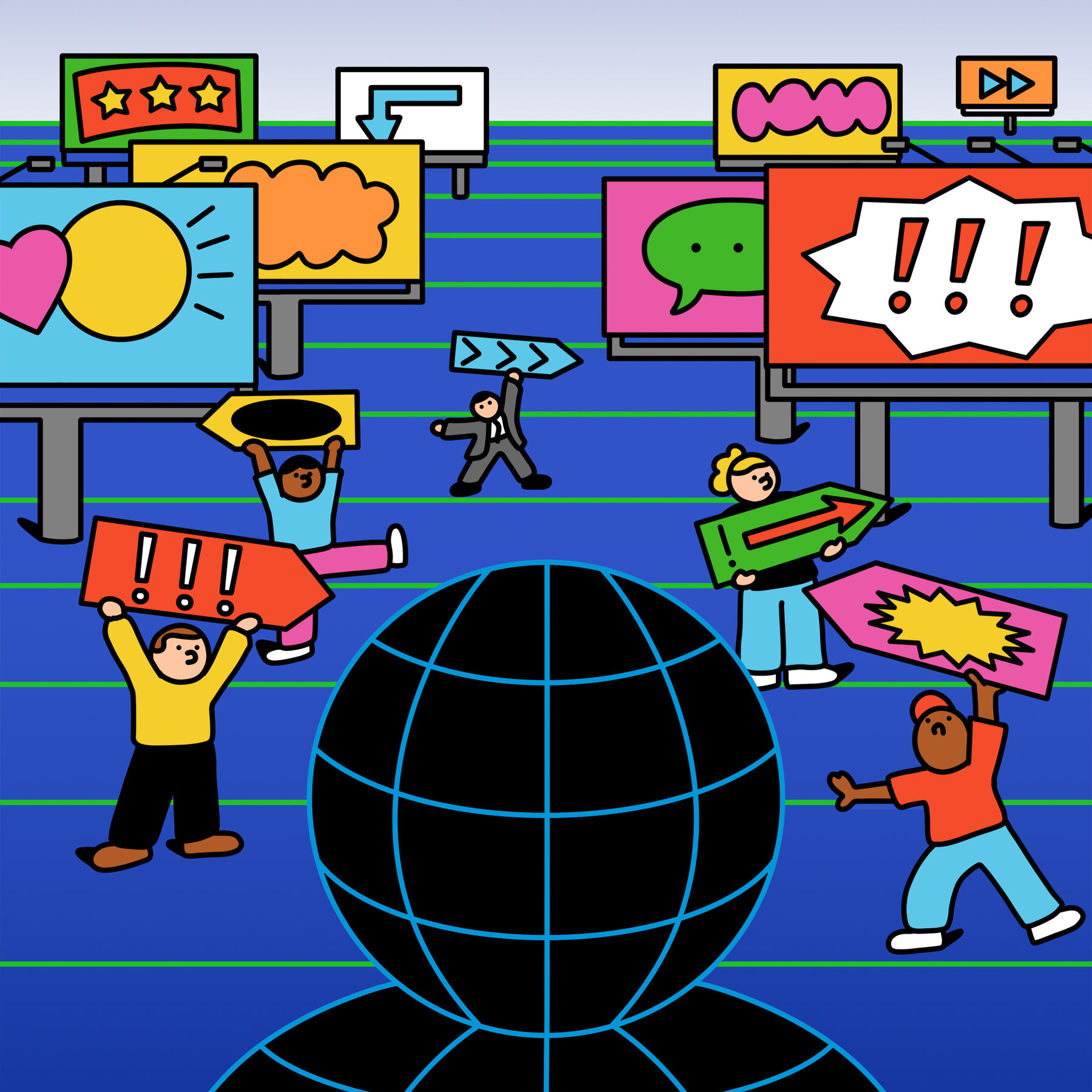
CHATBOTS—In a surprising turn of events, chatbots have emerged as the new influencers that brands must woo. With the rise of artificial intelligence and machine learning, chatbots have become an integral part of the customer journey, making them a crucial target for companies looking to promote their products and services. As the marketing landscape continues to evolve, brands are realizing that they can no longer simply promote themselves to potential customers; they have to win over the robots, too.
Wall Street Reacts to the Rise of Chatbot Influencers
The Shift in Marketing Strategy
Traditionally, influencer marketing has focused on human influencers with large followings on social media. However, with the increasing use of chatbots in customer service and support, companies are now recognizing the importance of building relationships with these AI-powered entities. This shift in marketing strategy is being driven by the growing use of chatbots in various industries, including e-commerce, healthcare, and finance.
The Benefits of Chatbot Influencers
Chatbot influencers offer several benefits to brands, including increased reach and engagement. By partnering with chatbots, companies can tap into the vast user base of these AI-powered platforms, allowing them to promote their products and services to a wider audience. Additionally, chatbot influencers can provide brands with valuable insights into customer behavior and preferences, enabling them to create more targeted and effective marketing campaigns.
The Future of Chatbot Influencer Marketing
As the use of chatbots continues to grow, it’s likely that we’ll see more brands investing in chatbot influencer marketing. This could involve partnering with chatbot development companies to create custom chatbots that promote their products and services, or using existing chatbot platforms to reach their target audience. Either way, it’s clear that chatbot influencers are here to stay, and companies that fail to adapt to this new marketing landscape risk being left behind.
The History of Chatbots and Their Rise to Prominence
The Early Days of Chatbots
Chatbots have been around for several decades, with the first chatbot, called ELIZA, being developed in the 1960s. However, it wasn’t until the 2010s that chatbots began to gain mainstream attention, with the launch of virtual assistants like Siri, Alexa, and Google Assistant. These virtual assistants used natural language processing (NLP) and machine learning algorithms to understand and respond to user queries, paving the way for the development of more advanced chatbots.
The Role of Chatbots in Customer Service
One of the key factors that has contributed to the rise of chatbots is their ability to provide effective customer service. Chatbots can be used to answer frequently asked questions, provide support and guidance, and even help with transactions and bookings. This has made them an essential tool for many businesses, particularly in industries like e-commerce and healthcare.
The Impact of Chatbots on Customer Experience
Chatbots have also had a significant impact on customer experience, enabling companies to provide 24/7 support and assistance to their customers. This has helped to improve customer satisfaction and loyalty, as well as reduce the workload of human customer support agents. Additionally, chatbots can be used to personalize the customer experience, offering tailored recommendations and offers based on a customer’s preferences and behavior.
Behind Chatbot Influencer Marketing
The Cost of Chatbot Development
Developing a chatbot can be a costly endeavor, requiring significant investment in technology, talent, and resources. However, the potential returns on investment can be substantial, with chatbots offering a range of benefits including increased efficiency, improved customer experience, and enhanced marketing capabilities. According to a report by Gartner, the global chatbot market is expected to reach $1.3 billion by 2025, with the average cost of developing a chatbot ranging from $5,000 to $50,000 or more.
The Revenue Potential of Chatbot Influencers
Chatbot influencers also offer significant revenue potential for brands, enabling them to promote their products and services to a wider audience. According to a report by Influencer Marketing Hub, the influencer marketing industry is expected to reach $24.1 billion by 2025, with chatbot influencers playing an increasingly important role in this space. By partnering with chatbot influencers, brands can tap into the vast user base of these AI-powered platforms, allowing them to reach new customers and drive sales.
The ROI of Chatbot Influencer Marketing
Measuring the return on investment (ROI) of chatbot influencer marketing can be challenging, as it’s difficult to quantify the impact of these campaigns on sales and revenue. However, by using metrics such as engagement rates, click-through rates, and conversion rates, brands can gain a better understanding of the effectiveness of their chatbot influencer marketing efforts. According to a report by MarketingProfs, the average ROI of influencer marketing is around 650%, with chatbot influencers offering the potential for even higher returns.
The Key Players in the Chatbot Influencer Marketing Space
Chatbot Development Companies
There are several chatbot development companies that are playing a key role in the chatbot influencer marketing space. These companies specialize in developing custom chatbots for brands, enabling them to create tailored marketing campaigns that meet their specific needs and goals. Some of the leading chatbot development companies include IBM, Microsoft, and Salesforce.
Chatbot Influencer Platforms
There are also several chatbot influencer platforms that are emerging, enabling brands to partner with chatbots and reach their target audience. These platforms use AI-powered algorithms to match brands with relevant chatbots, allowing them to create targeted and effective marketing campaigns. Some of the leading chatbot influencer platforms include ManyChat, Chatfuel, and Dialogflow.
Brands That Are Using Chatbot Influencers
Several brands are already using chatbot influencers as part of their marketing strategy, including Domino’s Pizza, Sephora, and Nike. These brands are using chatbots to promote their products and services, offer customer support, and provide personalized recommendations to their customers. By partnering with chatbot influencers, these brands are able to reach a wider audience and drive sales, while also improving the customer experience.
of Chatbot Influencer Marketing: Trends and Predictions
The Rise of Voice-Activated Chatbots
One of the key trends that is expected to shape the future of chatbot influencer marketing is the rise of voice-activated chatbots. These chatbots use voice assistants like Alexa and Google Assistant to interact with users, enabling them to provide a more conversational and personalized experience. According to a report by eMarketer, the number of voice-activated chatbot users is expected to reach 77.6 million by 2025, making them a key target for brands.
The Growing Importance of Chatbot Analytics
Another trend that is expected to shape the future of chatbot influencer marketing is the growing importance of chatbot analytics. As chatbot influencers become more prevalent, brands will need to be able to measure the effectiveness of their campaigns and understand the impact of their marketing efforts on sales and revenue. According to a report by Forrester, the use of chatbot analytics is expected to increase significantly over the next few years, as brands look to optimize their chatbot marketing efforts.
The Potential for Chatbot Influencers to Disrupt Traditional Marketing Channels
Finally, the rise of chatbot influencers has the potential to disrupt traditional marketing channels, such as television and print advertising. By partnering with chatbot influencers, brands can reach their target audience in a more targeted and effective way, reducing the need for traditional marketing channels. According to a report by McKinsey, the use of chatbot influencers could reduce the cost of customer acquisition by up to 50%, making them a key part of any marketing strategy.
