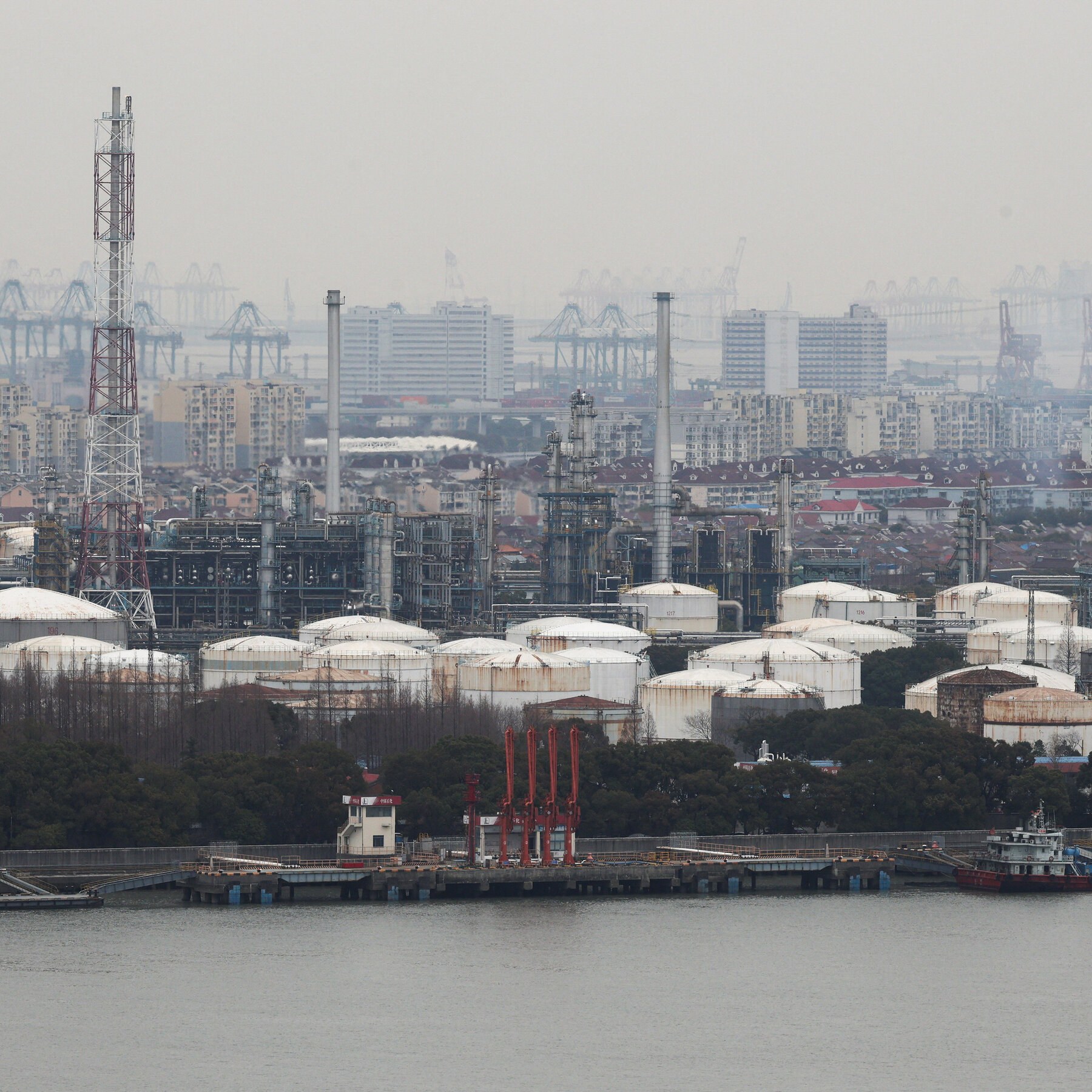
China’s Energy Security Efforts Intensified During Trump’s First Term, Preceding Recent Geopolitical Crises
- China’s proactive measures to secure energy supplies significantly accelerated during President Trump’s initial term.
- These efforts were driven by long-standing concerns over geopolitical crises impacting global energy markets.
- The country’s strategy was designed to mitigate risks and ensure stability ahead of potential international escalations.
- This forward-thinking approach highlights China’s long-term commitment to energy independence and resilience.
A Strategic Imperative for a Global Power
CHINA—The intricate dance of global energy markets often hinges on the strategic foresight of major powers. China, a nation with an insatiable appetite for energy to fuel its economic engine, has long recognized the vulnerability inherent in relying on external resources. This awareness is not a new development; rather, it represents a consistent, evolving strategy aimed at insulating its economy from the volatility of international geopolitics. The urgency and intensity of these preparations, however, saw a notable uptick during the initial years of the Trump administration, a period marked by escalating global tensions and shifting trade dynamics.
While recent geopolitical flashpoints, such as potential conflicts involving Iran, may highlight the immediate relevance of energy supply chains, China’s strategic moves to bolster its energy security began well before these specific events commanded global attention. This proactive stance underscores a deeper, more sustained concern within Beijing regarding the reliability of global energy flows and the potential impact of geopolitical friction on its access to vital resources. The administration’s approach during President Trump’s first term, characterized by assertive foreign policy and trade disputes, appears to have served as a significant catalyst for China to intensify its long-game strategy.
This comprehensive approach to energy security involves a multi-faceted strategy encompassing domestic production, diversification of foreign suppliers, strategic stockpiling, and the development of alternative energy sources. The commitment to these initiatives reflects an understanding that energy is not merely a commodity, but a cornerstone of national sovereignty and economic stability. By diligently building resilience, China aims to navigate the complexities of the global energy landscape, ensuring its continued development and influence on the world stage, irrespective of external shocks.
Early Warnings and Redoubled Efforts Under Trump
China’s strategic planning for energy security is not a recent phenomenon but a sustained policy objective shaped by decades of recognizing its growing reliance on global markets. However, the period coinciding with President Trump’s first term saw a distinct acceleration in these efforts. This intensification was driven by a confluence of factors, including the administration’s increasingly assertive foreign policy, trade protectionism, and a heightened awareness within Beijing of the fragility of international supply chains. Senior Chinese leadership has consistently voiced concerns about geopolitical crises impacting energy access, and the actions taken during this specific presidential term amplified those anxieties, prompting a more vigorous response.
The Geopolitical Calculus of Energy Access
The global energy landscape is intrinsically linked to geopolitical dynamics. Nations heavily reliant on energy imports, such as China, are particularly susceptible to disruptions arising from international conflicts, trade wars, and political instability. The period of President Trump’s first term was marked by significant diplomatic shifts and increased international friction, which directly influenced China’s risk assessments. A key concern for China has been the potential for energy resources to be weaponized or disrupted by major powers, leading to a strategic imperative to diversify sources and enhance domestic capacity. This proactive approach is crucial for maintaining economic momentum and preventing external pressures from dictating national policy.
Experts in international energy policy, such as Dr. Fatih Birol, Executive Director of the International Energy Agency, have consistently highlighted how geopolitical events can profoundly impact energy markets. Birol stated in past analyses that “geopolitics has always been a critical factor in energy markets, but we are seeing new dynamics emerge that require nations to be more resilient.” China’s intensified preparations during this era can be seen as a direct response to these evolving geopolitical realities. The administration’s willingness to challenge established international norms and engage in unilateral actions created a palpable sense of uncertainty, which China sought to mitigate through strategic energy investments and policy adjustments.
The narrative surrounding China’s energy security strategy suggests a long-term vision that anticipates rather than merely reacts to global events. By commencing significant preparatory measures well before recent international flashpoints, such as those involving Iran, China demonstrated a commitment to building a robust energy buffer. This forward-looking perspective is essential for a nation of China’s economic scale, where any disruption to energy supply can have cascading effects on manufacturing, transportation, and overall economic output. The strategic decisions made during President Trump’s tenure have likely positioned China more favorably to weather future energy market volatilities.
China’s Diversification Strategy: Reducing Reliance on Volatile Markets
China’s strategy to enhance its energy security is deeply rooted in the principle of diversification, aiming to reduce its susceptibility to price shocks and supply disruptions from any single region or supplier. This multifaceted approach involves actively cultivating relationships with a broad spectrum of energy-producing nations, seeking to build a resilient network of import routes and sources. This proactive stance is a clear departure from earlier periods where reliance on a few key suppliers created inherent vulnerabilities, particularly in times of geopolitical tension.
Expanding the Global Energy Network
The narrative of China’s energy acquisition is one of deliberate expansion and strategic partnership. Over the years, Beijing has invested heavily in infrastructure projects and long-term supply contracts across the globe. From the Middle East and Africa to Central Asia and South America, China has forged energy ties that create multiple avenues for obtaining crude oil, natural gas, and other essential commodities. This global reach, meticulously developed over time, allows China to absorb shocks more effectively; if one supply route is compromised, others can potentially compensate.
According to reports from the U.S. Energy Information Administration (EIA), China’s crude oil imports come from a diverse set of countries, reflecting this strategy. While the Middle East has historically been a major supplier, China has also significantly increased its intake from nations like Russia, Angola, and Brazil. This deliberate geographical spread is a hedge against regional instability. For instance, past geopolitical developments in the Middle East have underscored the wisdom of not over-relying on a single volatile region. The EIA notes that “diversification of supply sources is a key component of energy security for importing nations, enabling them to mitigate risks associated with political instability or supply disruptions in specific exporting countries.” This principle is paramount for China.
The intensification of these diversification efforts during President Trump’s first term can be viewed as a strategic maneuver to counter perceived risks associated with escalating global trade disputes and unpredictable foreign policy. By solidifying relationships with a wider array of partners, China aimed to ensure that its energy needs would be met regardless of bilateral tensions. This long-term vision extends beyond immediate market fluctuations, focusing instead on establishing a robust and adaptable energy supply framework that can withstand the vagaries of international relations. This strategy is essential for maintaining China’s economic trajectory and its position as a global power.
How Does China Store Energy Reserves?
A cornerstone of China’s energy security strategy is the meticulous development and maintenance of strategic reserves, particularly in petroleum. This policy, designed to buffer the nation against sudden supply interruptions and price volatility, has been significantly expanded and refined over the years. The establishment and management of these reserves are critical components of Beijing’s long-term vision for energy independence and economic stability, ensuring that the nation can weather unforeseen crises without succumbing to external pressures.
Building a Strategic Energy Buffer
China’s strategic petroleum reserves (SPR) program operates on a scale comparable to that of other major energy-consuming nations, such as the United States. These reserves are housed in a network of underground and aboveground storage facilities strategically located across the country. The size and operational readiness of these reserves are carefully managed to provide a cushion during emergencies, ranging from natural disasters that disrupt production or transportation to geopolitical events that threaten import flows. The continuous effort to expand these reserves reflects a commitment to bolstering national resilience.
According to analyses by the International Energy Agency (IEA), China has been progressively increasing its SPR capacity. While specific figures can fluctuate, the IEA has reported on China’s commitment to building out its storage infrastructure. “The expansion of strategic reserves by major economies like China is a global trend aimed at enhancing energy security,” an IEA report from a few years ago noted. “These reserves act as a crucial tool to manage market disruptions and ensure supply stability for the world’s largest economies.” This global context underscores the significance of China’s sustained investment in this area, positioning it to navigate challenging energy market conditions.
The emphasis on building and managing these reserves intensified during periods of heightened geopolitical uncertainty, notably President Trump’s first term. This era presented a complex global environment, and China’s proactive approach to filling and expanding its reserves was a direct response to these perceived risks. It allowed Beijing to demonstrate a capacity for self-reliance and to mitigate the impact of potential supply shocks. The commitment to maintaining adequate reserves is a clear signal of China’s dedication to safeguarding its economic future and ensuring energy availability for its vast industrial and consumer base, irrespective of global market turbulence.
Frequently Asked Questions
Q: Why is China concerned about energy security?
China, as a major energy consumer, faces significant risks from geopolitical instability, supply chain disruptions, and price volatility. Proactive energy security measures are vital to maintain economic growth and national stability, mitigating reliance on external sources.
Q: When did China begin its intensified energy security efforts?
China significantly ramped up its efforts to secure energy supplies early in President Trump’s first term. This period marked a strategic acceleration of their long-standing concerns about geopolitical crises impacting energy markets.
Q: How does the Trump administration’s approach relate to China’s energy strategy?
President Trump’s actions, which increased geopolitical stakes, prompted China to redouble its efforts. This suggests that China’s strategic planning was a response to, and an anticipation of, heightened global tensions and potential disruptions driven by US foreign policy.
Q: What is the significance of China preparing for an energy crisis before the Iran war?
This preparation indicates China’s forward-thinking approach to energy security. It suggests their strategy wasn’t reactive to a single event like the Iran war, but rather a sustained, long-term effort to build resilience against a range of potential global disruptions.
