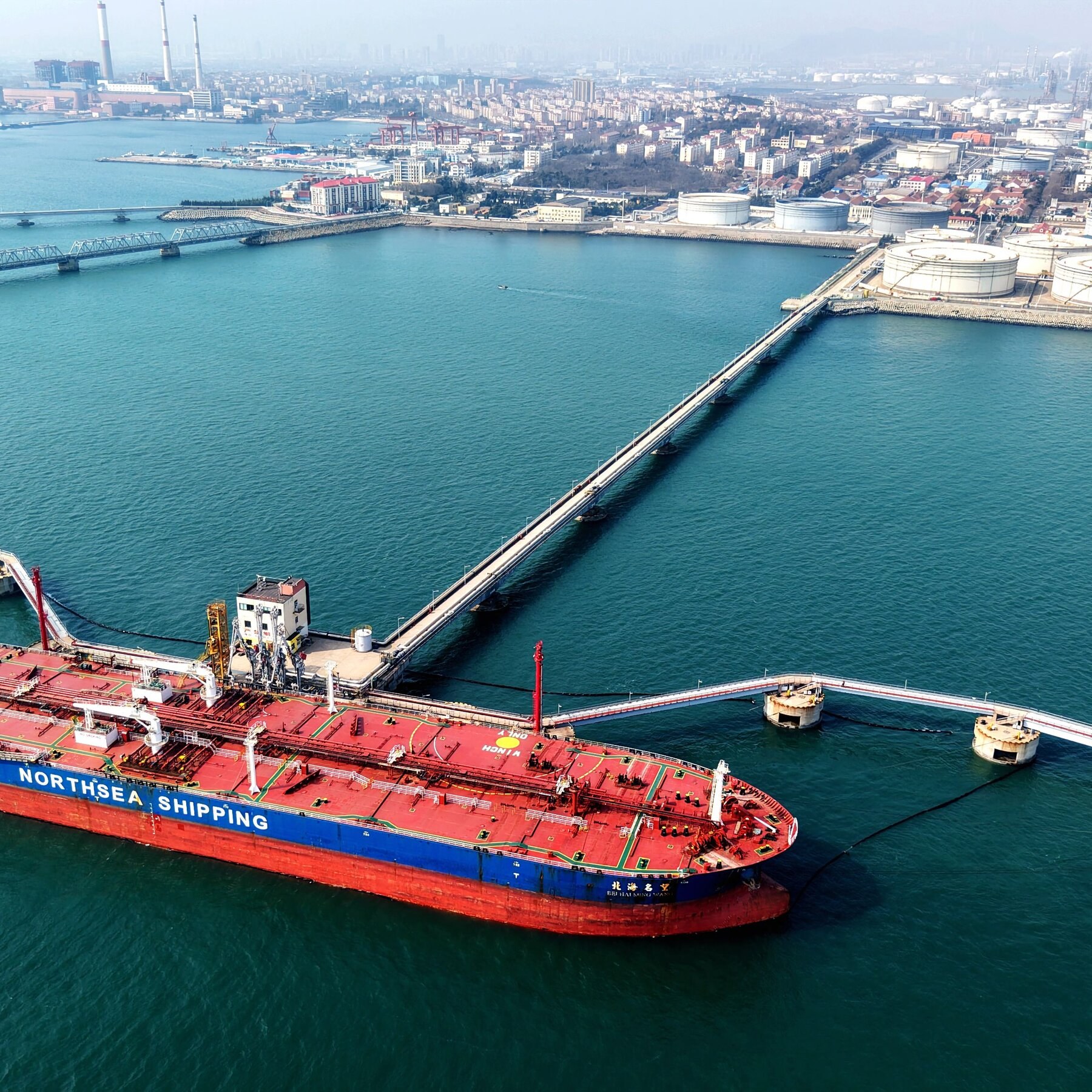
China Increased Oil Imports by 15.8% Amid Rising Geopolitical Tensions
- China imported 15.8 percent more oil in Jan-Feb 2026 vs. prior year customs data
- The move is part of a strategy to build strategic reserves ahead of conflict in the Middle East
- Analysts noted China was preparing for geopolitical tensions prior to current events
- Domestic oil consumption has continued to fall as stockpiling increases
Stockpiling strategy proves prescient as Iran conflict paralyzes energy supply lines
CHINA—In the first two months of the year, before the outbreak of fighting in the Middle East paralyzed energy supply lines, China ramped up its oil purchases as part of a continued strategy to shield the country from rising geopolitical tensions China. The world’s largest buyer of oil, China imported 15.8 percent more oil in January and February over the same period last year, according to customs data released by China on Tuesday.
A Strategic Reserve Built Before Conflict
Beijing anticipated geopolitical risks, analysts say
Beijing has been building up its strategic stockpile over the past year, even as domestic oil consumption has continued to fall. All that oil is now expected to come in handy. “Oil stockpiling has been taking place for a while now, and Chinese regulators were already preparing for geopolitical tensions to arise from the Trump administration,” said Cosimo Ries, an energy analyst at Trivium China, a consulting firm. “It was a strategic step which, in hindsight, was pretty wise” Cosimo Ries. This strategic move by China highlights a proactive approach to energy security, anticipating potential global disruptions. The increase in import volumes during January and February of 2026 suggests a deliberate effort to fill reserves. Cosimo Ries further elaborated that Chinese regulators had been anticipating geopolitical tensions originating from the Trump administration. This foresight was a strategic step that, in hindsight, proved to be exceptionally wise given the subsequent outbreak of fighting in the Middle East. The timing of China’s increased purchases, occurring before the paralysis of energy supply lines, underscores the effectiveness of its planning. Even as China’s domestic oil consumption has been on a downward trend, the decision to stockpile has positioned the nation to better weather the current storm. This continued strategy aims to shield the country from rising geopolitical tensions, making the stockpiled oil now indispensable. The customs data released on Tuesday by China confirmed the significant uptick in imports, marking a crucial moment for the nation’s energy security planning. This proactive stance contrasts with the reactive measures often seen in global energy markets during times of crisis. The decision to prioritize stockpiling, even amid falling domestic demand, demonstrates a long-term vision for economic stability and resilience against external shocks. Ries’s assessment emphasizes that this was not a recent, ad-hoc decision but a sustained effort to prepare for predictable, albeit severe, geopolitical escalations. The term ‘wise’ suggests that the regulators’ actions were not merely fortunate but were based on sound strategic analysis of the global political and energy landscapes.
January-February Oil Import Increase
15.8%
Source: China Customs Data
Disruptions to Key Oil Suppliers
Leadership changes in key oil nations impact China’s supply deals
President Trump has launched attacks on two of China’s cheapest sources of oil, Venezuela and Iran. Venezuela’s leader, Nicolás Maduro, was ousted and brought to the United States, where he is in a federal prison in New York awaiting trial. Iran’s supreme leader, Ayatollah Ali Khamenei, was killed on Feb. 28 during U.S. and Israeli military strikes Iran. The leadership changes in both countries have thrown into question the lucrative deals that China had secured with the two countries to buy oil sanctioned by the United States. Mr. Trump has said that the United States will take over Venezuela’s oil industry. In Iran, the source of 13 percent of China’s oil imports, the Trump administration’s plans are not yet clear. These developments create significant uncertainty for China’s energy imports, particularly from these two nations. Venezuela, once a key supplier, is now under U.S. jurisdiction, and Iran’s leadership has been drastically altered. The previous deals China had with these countries, often circumventing U.S. sanctions, are now under severe threat. The Trump administration’s assertive stance on global energy markets and its direct actions against the leadership of Venezuela and Iran have directly impacted China’s access to vital, and previously cost-effective, oil supplies. The killing of Ayatollah Ali Khamenei marks a significant shift in Iran’s political landscape, leaving the future of its oil exports, and its relationship with China, deeply uncertain. Similarly, the ousting and subsequent imprisonment of Nicolás Maduro in Venezuela remove a predictable, albeit sanctioned, source of oil for China. The economic implications for China are substantial, as these were not only major suppliers but also provided oil at prices that were attractive partly due to sanctions against them by the United States. With the U.S. asserting greater control over Venezuela’s oil assets and Iran’s leadership in disarray, China’s ability to secure these supplies is severely compromised. The article also points to previous reporting, specifically referencing lucrative deals China had secured, underscoring the potential economic loss and strategic disadvantage the country now faces. The Trump administration’s explicit intention to take over Venezuela’s oil industry further complicates matters, signaling a potential U.S. monopoly or significant influence over resources previously accessible to China.
China’s Oil Import Sources
Other Sources
87%
Iran
13%
▼ 85.1%
decrease
Source: New York Times Reporting
Why Did China Stockpile Oil?
Anticipating geopolitical tensions drove strategic purchasing
China’s decision to increase oil imports in early 2026 was a strategic move aimed at bolstering its energy security. The country had been building its strategic reserves over the preceding year, anticipating potential geopolitical disruptions. This foresight proved beneficial as conflicts in the Middle East later paralyzed vital energy supply routes. The surge in imports occurred before the outbreak of fighting, highlighting a proactive approach to managing global energy volatility. Cosimo Ries, an energy analyst at Trivium China, noted that Chinese regulators were already preparing for geopolitical tensions to arise from the Trump administration. This was a deliberate strategy, and in hindsight, a wise one. China’s overall strategy of stockpiling oil has been ongoing for some time, even as domestic oil consumption has seen a decline. The current geopolitical climate, marked by fighting in the Middle East and the destabilization of key oil-producing nations like Iran and Venezuela, underscores the critical importance of these reserves. The increased imports in January and February 2026, totaling 15.8 percent more than the same period last year, directly contributed to the build-up of these strategic reserves. This proactive measure by Beijing aims to shield the country from the immediate and potential future impacts of severed energy supply lines and volatile global energy markets. This strategy reflects a calculated effort to insulate the Chinese economy from external shocks, particularly those affecting energy supplies. The decline in domestic oil consumption further amplifies the significance of stockpiling, as it indicates a strategic allocation of resources not tied to immediate internal demand but to future security needs. The mention of the Trump administration as a source of anticipated tension points to a specific geopolitical context that Chinese strategists were monitoring. The actions taken by the U.S. president, including military strikes and political interventions in oil-producing nations, directly align with the types of geopolitical tensions that China was preparing for, as articulated by Ries. The phrase ‘in hindsight, was pretty wise’ strongly suggests that the foresight of Chinese regulators in preparing for these specific geopolitical scenarios, including conflicts in the Middle East and leadership changes in Venezuela and Iran, has yielded significant benefits for the nation’s energy security. The paralysis of energy supply lines, a direct consequence of the fighting, would have severely impacted China had it not maintained substantial strategic reserves.
Frequently Asked Questions
Q: Why did China increase oil imports?
China ramped up oil purchases in the first two months of 2026 as part of a continued strategy to build strategic reserves. This was intended to shield the country from rising geopolitical tensions, particularly those stemming from the Middle East and leadership changes in key oil-producing nations like Iran and Venezuela.
Q: How much did China’s oil imports increase?
China imported 15.8 percent more oil in January and February of 2026 compared to the same period last year. This data was released by China’s customs authority on Tuesday, March 10, 2026, indicating a significant acceleration in its purchasing strategy.
Q: What is China’s strategy regarding oil stockpiling?
Beijing has been building up its strategic stockpile over the past year, anticipating potential geopolitical disruptions. This proactive approach aims to enhance energy security and mitigate the impact of global volatility, particularly as conflicts have now emerged in the Middle East, paralyzing energy supply lines.
Q: How have recent geopolitical events affected China’s oil sources?
President Trump’s actions have targeted two of China’s cheapest oil suppliers, Venezuela and Iran. The ousting of Venezuela’s leader and the killing of Iran’s supreme leader have cast doubt on China’s lucrative deals for oil that was previously sanctioned by the United States, complicating supply chains.
Sources & References
- Primary SourceChina Stockpiled More Oil Before War Broke Out in IranMar 10, 2026nytimes.com
